
Last updated November 22, 2026
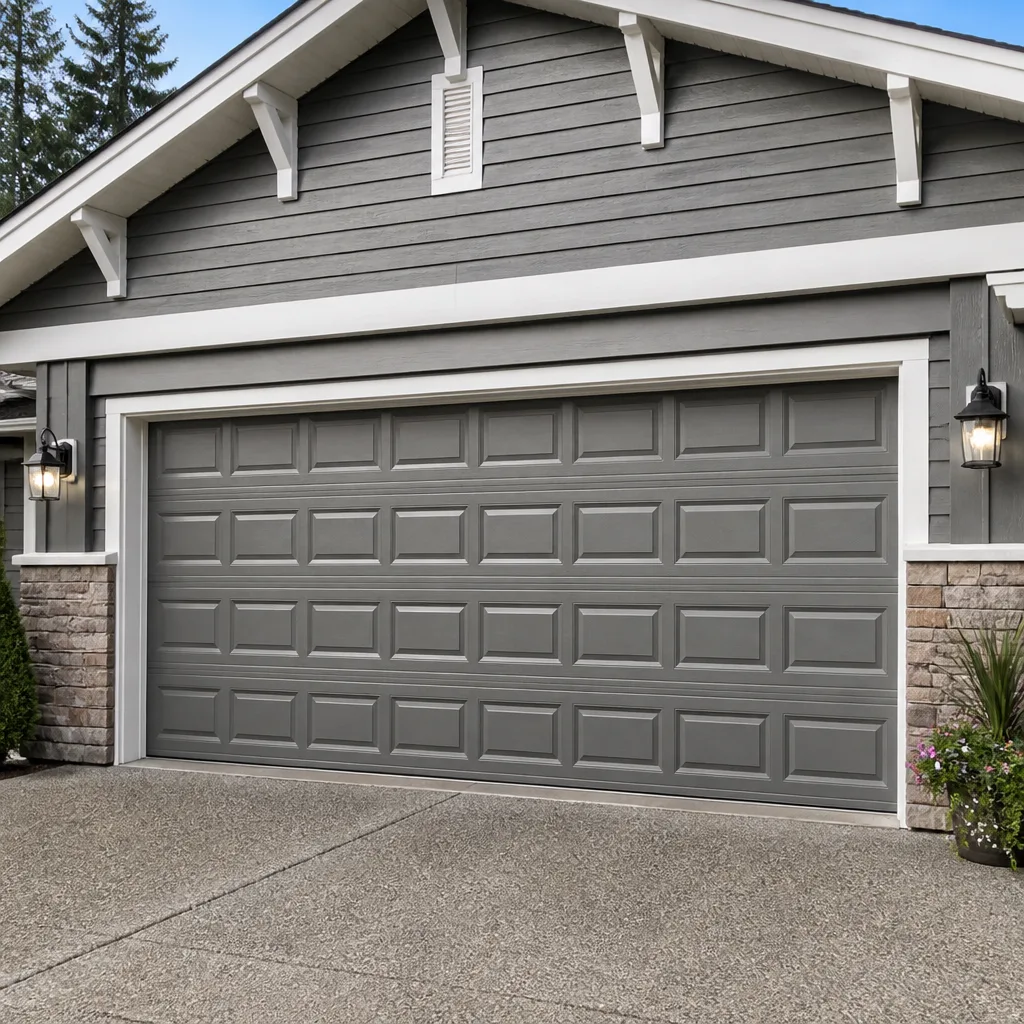 Raised-panel steel
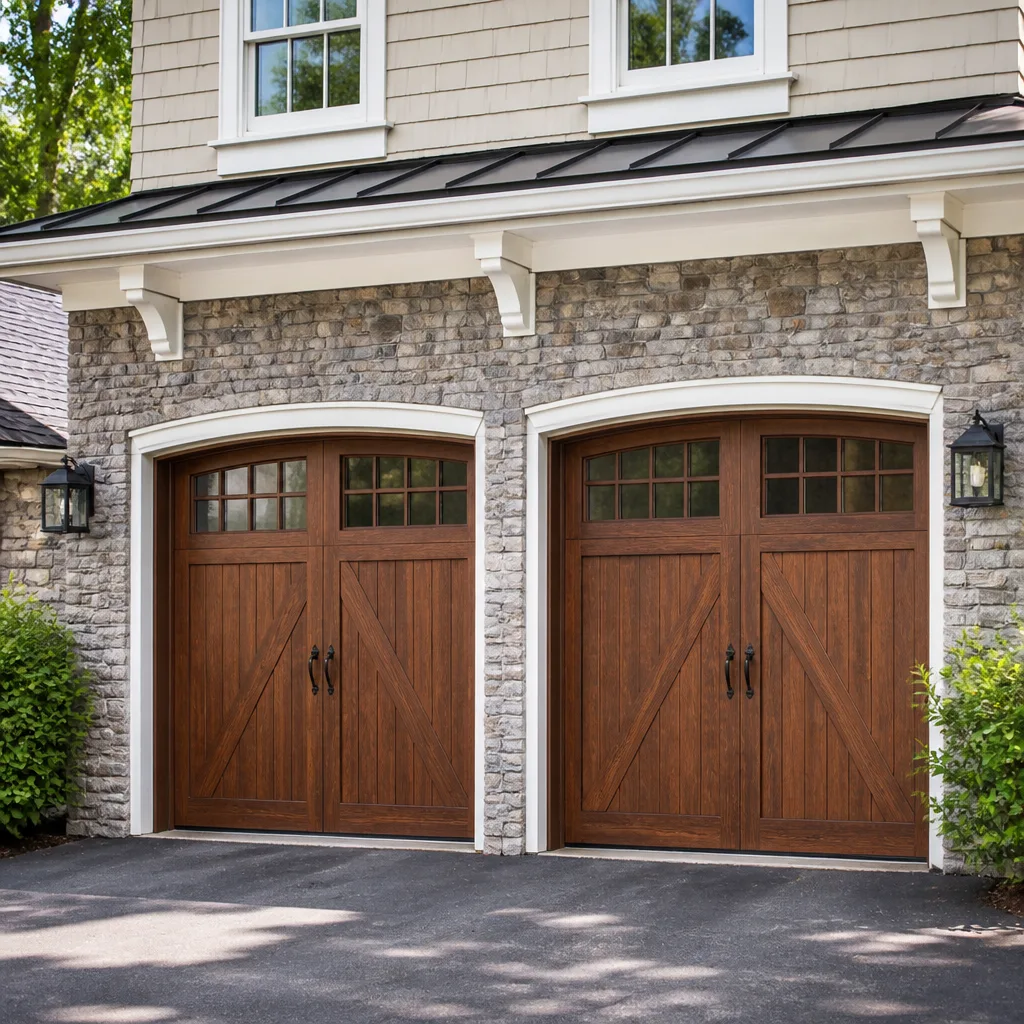 Carriage house
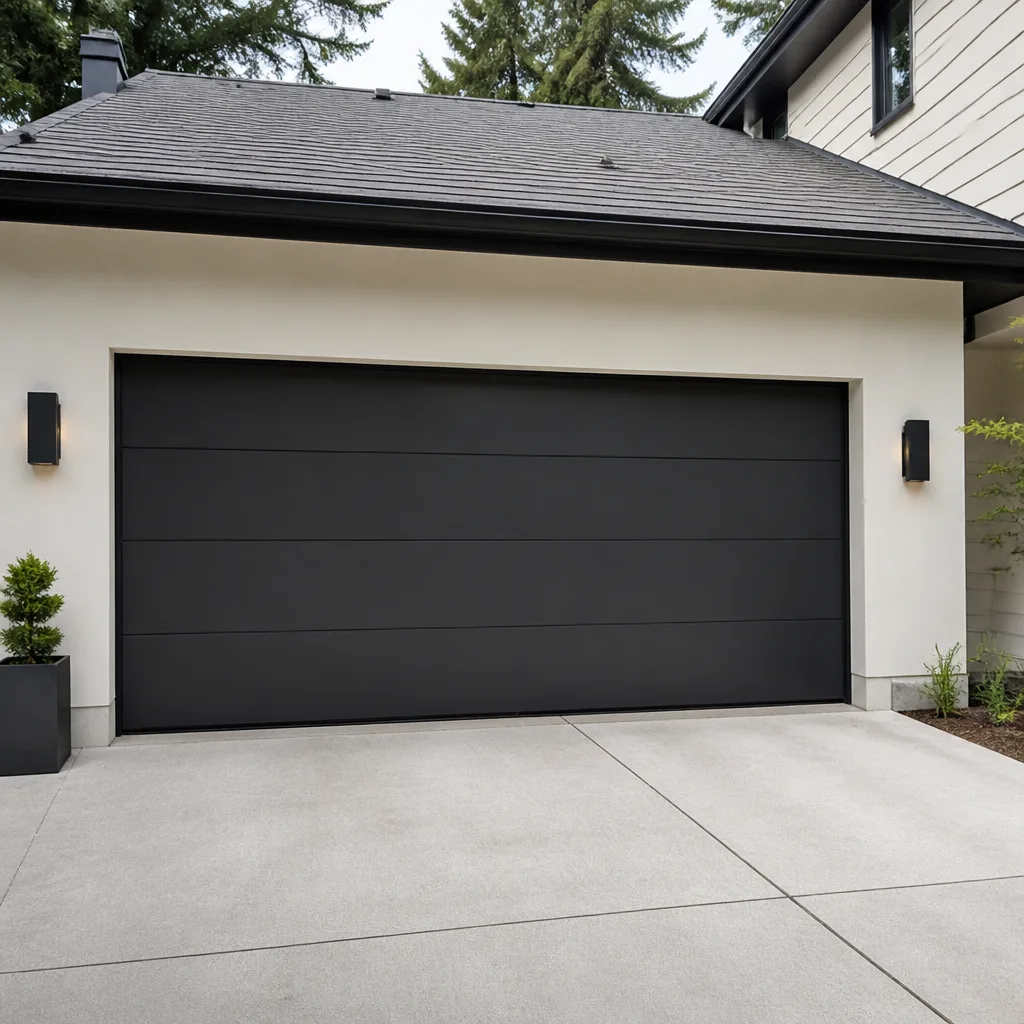 Modern flush
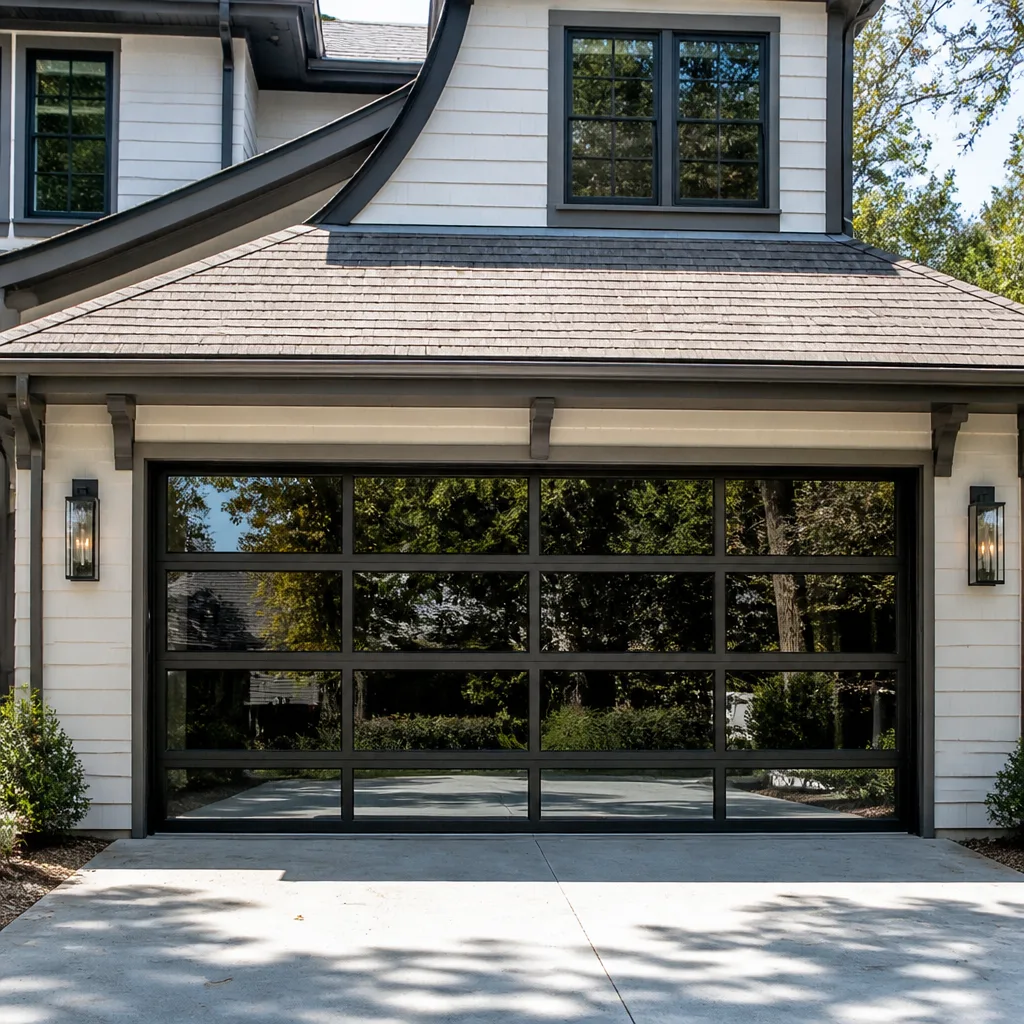 Full-view glass
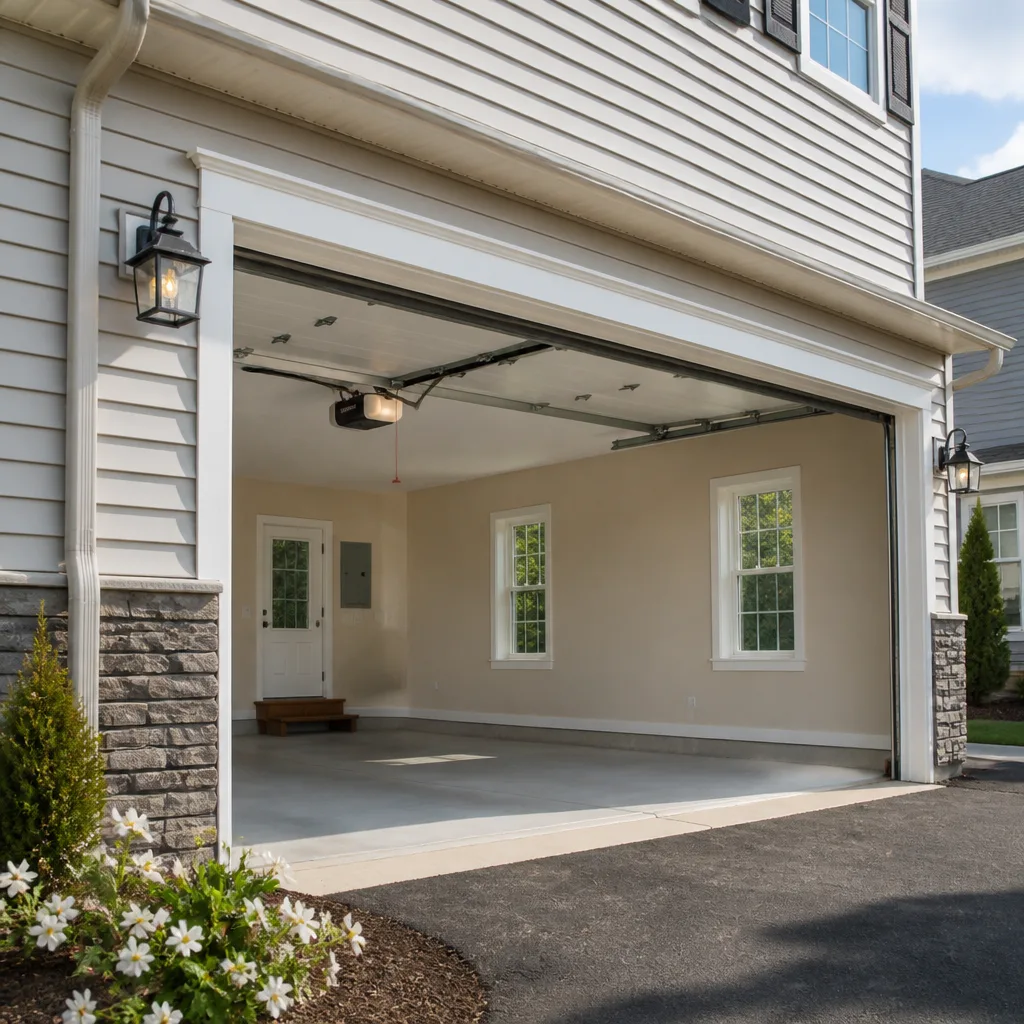 LiftMaster openers
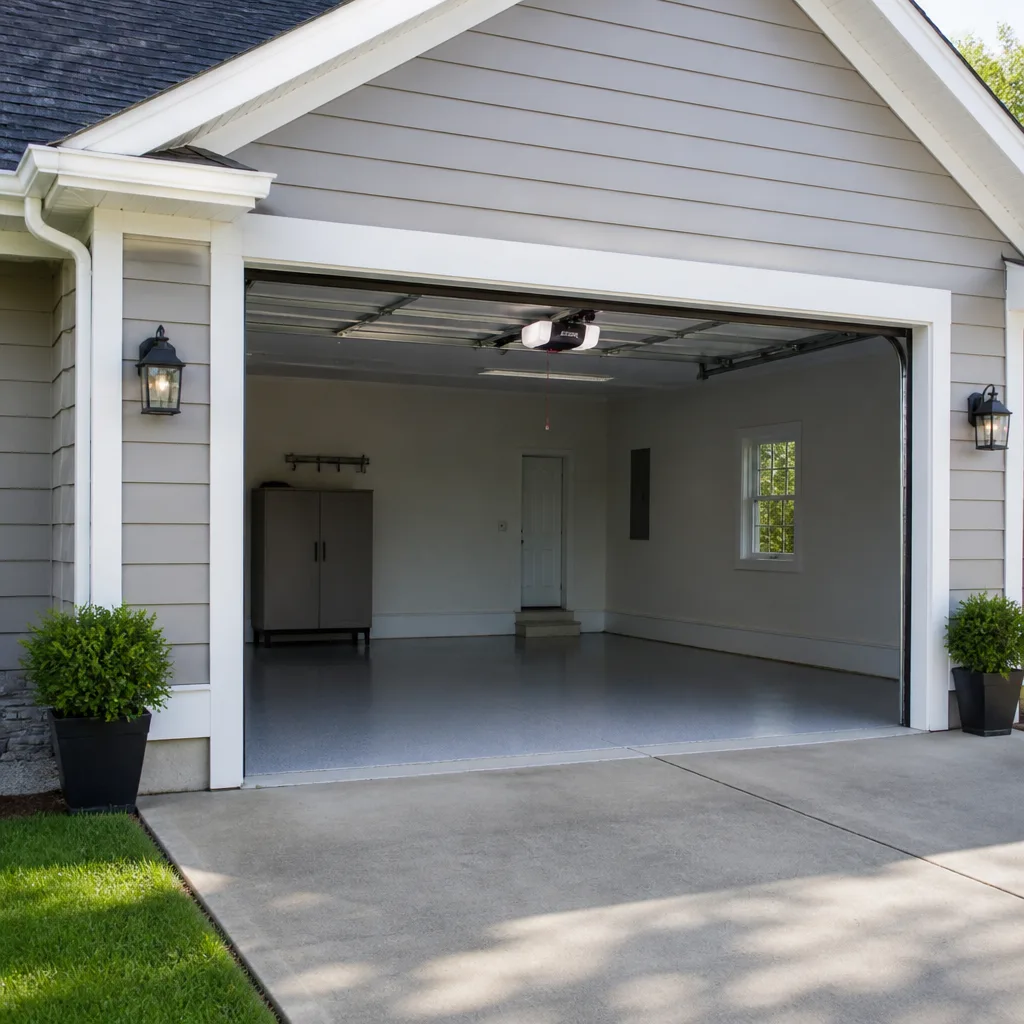 Chamberlain openers
Full 25-point door and opener safety check with every visit - springs, cables, rollers, tracks, and your LiftMaster or Chamberlain opener included
You get a price before we start. It does not change when the pro arrives.
Get your free estimateGarage Door Repair Troubleshooting in Green Valley Ranch: Common Problems and How to Fix Them
A door that reverses before it reaches the floor and a door that reverses right after touching it are two completely different problems. Most troubleshooting guides lump them together under “safety reverse,” which sends homeowners down the wrong path. One is usually a sensor or travel-limit issue you can sort out yourself. The other often points to a mechanical problem that needs a trained eye. In this guide, we map symptoms to root causes and then to decisions, so you know whether you’re looking at a ten-minute adjustment or a call to a technician. We’ve worked on doors across Green Valley Ranch long enough to see the same handful of patterns repeat, and we’ll walk you through all of them.
Quick Answer
Most garage door problems in Green Valley Ranch come down to five root causes: mechanical failures like springs, cables, and rollers; electrical issues in the opener board or wiring; misaligned safety sensors; travel-limit settings that have drifted; and weather-related swelling from Colorado’s freeze-thaw swings. Identify which category your symptom fits and you’ll know whether it’s a safe DIY adjustment or a job for a professional. If you see a broken torsion spring, a frayed cable under tension, or a bent track, stop troubleshooting and call a technician.
Styles & brands we work with
- Raised-panel steel
- Carriage house
- Modern flush
- Full-view glass
- LiftMaster openers
- Chamberlain openers
Table of Contents
- The Symptom-to-Root-Cause Decision Tree
- How to Tell a Broken Spring from a Cable Off the Drum (Without Touching Either)
- Opener Error Codes vs. Hardware Failure: Don’t Misdiagnose the Opener
- How Green Valley Ranch Weather Creates False-Fault Symptoms
- Sensor Alignment and Travel Limit Settings: The DIY-Friendly Fixes
- Three Scenarios Where You Should Stop Troubleshooting Immediately
- Keeping Your Door Out of Trouble Year-Round
- When to Call a Professional
The Symptom-to-Root-Cause Decision Tree
Before you touch anything, watch the door through a full open-and-close cycle and note exactly what it does. The behavior you observe narrows the cause faster than any reset button. Here’s how we sort symptoms into the five root-cause categories when we walk through a diagnosis.
- Door won’t move at all, and you hear a hum or click from the opener. This points to electrical: a failed logic board, a capacitor, or a wiring fault. The motor is trying but the door isn’t responding, so look at the opener before you suspect the door.
- Door moves a few inches and stops, or reverses. Usually a travel-limit setting that’s drifted, or a safety sensor issue. These are the most common DIY-friendly fixes on the list.
- Door is visibly crooked, binds, or grinds. Mechanical: a roller off its track, a bent track section, or a cable that’s jumped the drum. Crooked travel is almost never an opener problem.
- Door is very heavy to lift by hand, or slams down when released. A spring that’s lost tension or broken. Do not keep operating the door if you suspect this.
- Door works fine in mild weather but sticks or reverses on cold mornings. Weather-related: swollen wood, shrunken weatherstripping, or lubricant that’s thickened in the cold.
Sort your symptom into one of those five and the rest of this guide will make a lot more sense. If it doesn’t fit cleanly, the section on Garage Door Repair Green Valley Ranch lays out the full service picture and what a diagnosis visit covers.
How to Tell a Broken Spring from a Cable Off the Drum (Without Touching Either)
This is the single most important distinction to get right, because one of these is a parts repair and the other is a safety hazard the moment you touch it. You can tell them apart from a few feet back with your eyes and ears, and you should never need to put a hand on either component to find out.
Signs of a broken spring
- A loud bang from the garage that sounds like a firecracker or a backfire, often reported by whoever’s home when it happens.
- A visible gap in the torsion spring above the door, or two spring coils that no longer sit tight together. On extension-spring doors, look for a spring hanging loose or stretched out straight.
- The door feels extremely heavy when you try to lift it by hand. If you can’t raise it more than a few inches with one hand, the spring isn’t carrying the weight.
- The opener runs but the door barely moves or doesn’t move at all, because the motor is trying to lift a door that’s now far heavier than it was designed for.
Signs of a cable off the drum
- The door hangs noticeably crooked, with one side lower than the other.
- A cable is visibly loose, slack, or wrapped unevenly around the drum at the top corner of the door.
- You can see frayed strands or a cable that’s clearly come out of its groove.
Here’s the part that matters: both components are under high tension, and a cable under load can whip free with enough force to cause serious injury. Never try to re-seat a cable, unwind a drum, or release spring tension yourself. Our technicians have up to 15 years of experience with exactly these failures, and spring repair is a service we treat as its own specialty because of that risk. When in doubt, close the door if you can do so safely, keep everyone clear, and call.
Opener Error Codes vs. Hardware Failure: Don’t Misdiagnose the Opener
A flashing error code on your opener doesn’t always mean the opener is the problem. It often means the opener is correctly reporting a fault somewhere else in the system. Learning to read the difference saves you from replacing a perfectly good motor.
Each brand reports faults a little differently. A LiftMaster or Chamberlain unit typically uses a repeated LED flash pattern on the motor head, and the number of flashes points to a specific fault category. A Genie unit may use a different code scheme or a wall-console indicator. When we arrive, we don’t guess at the pattern; we read the brand’s own diagnostic and check the components it names.
When a code points to the door, not the opener
- Repeated obstruction codes usually mean a sensor is blocked, misaligned, or has a dirty lens, not that the opener has failed.
- Force-limit or travel faults often mean the door has become heavier or is binding, which changes the resistance the opener senses. The opener is doing its job by stopping.
- Intermittent codes can come from loose wiring at the safety sensors or a wall button short, which a quick continuity check will reveal.
The real tell: if your door opens and closes fine by hand (with the opener disconnected), the door is not the problem and the opener deserves a closer look. If it’s stiff, heavy, or binding by hand, the opener is probably fine and the door hardware is the culprit. We’re certified to service eight major brands, including Raynor, LiftMaster, Chamberlain, and Genie, so we diagnose the system in front of us rather than a generic stand-in. That matters most when a code is misleading you toward the wrong repair.
If you’ve read the code, checked the obvious, and the door still won’t behave, garage door opener repair covers what a proper diagnostic visit looks like and what we check first.
How Green Valley Ranch Weather Creates False-Fault Symptoms
Green Valley Ranch sits on the eastern edge of the Denver metro, where the plains meet the foothills, and that geography drives some very specific garage door behavior. The freeze-thaw cycle is the big one. A warm afternoon can thaw moisture that refreezes overnight, and that expansion and contraction works on wood door panels, weatherstripping, and the concrete at the door’s base.
What that looks like in practice:
- A door that sticks on cold mornings and frees up by afternoon. Wood panels swell slightly with moisture, then shrink as the day warms. This is seasonal, not a mechanical failure.
- A bottom seal that no longer touches the floor. Dry air shrinks weatherstripping over time, leaving a gap that lets cold air and debris in. A door that “reverses for no reason” sometimes just has a seal that’s catching or a sensor aimed through the gap.
- Sensors that lose alignment after a freeze. The mounting brackets shift fractionally when the ground heaves, and a sensor that was aligned in fall can be a hair off by spring.
- Thickened lubricant. Lubricant that’s fine in summer can stiffen in a cold snap, making the door feel heavier than it is and tripping a force limit.
We see these false-fault symptoms across Green Valley Ranch every time the temperature swings hard, and they’re usually corrected with an adjustment rather than a replacement. That’s why we always confirm the mechanical condition before recommending any new part.
Sensor Alignment and Travel Limit Settings: The DIY-Friendly Fixes
Two adjustments are genuinely safe for a homeowner to make, and they account for a large share of “my door won’t close” calls. Here they are, in order.
Safety sensor alignment
- Look at both sensors at the bottom corners of the door. Each has a small indicator light. A steady light on both means they’re aligned and powered.
- If one is dark or flickering, wipe the lens with a dry cloth. Dust and cobwebs cause more false faults than anything else.
- If the lens is clean and the light is still off, check that the sensor bracket hasn’t been nudged. Loosen the wing nut, aim the sensor so its beam hits the opposite unit, and tighten gently.
- Make sure nothing is in the beam path, including a broom handle, a recycling bin, or a pet that wanders through.
If both sensors show steady lights and the door still reverses, the sensors aren’t the problem, and the next thing to check is your travel limits.
Travel limit settings
Travel limits tell the opener how far to raise and lower the door. They drift over time, and a door that stops an inch short or reverses right at the floor is usually a limit adjustment. On most openers, there’s an up-limit and a down-limit screw or a digital adjustment on the wall console. Nudge the down limit in small increments, test after each change, and stop as soon as the door meets the floor cleanly. If you have to move the adjustment a long way to get a result, that’s a sign the door itself is binding and the limits aren’t the real issue.
Our technicians have up to 15 years of experience setting limits on the major brands, and if your door uses a wall-mounted digital console, the procedure differs enough that a phone conversation before you start is worth having. If the door still misbehaves after a careful adjustment, the problem has moved past DIY territory, and a garage door repair visit will find the real cause.
Three Scenarios Where You Should Stop Troubleshooting Immediately
Most garage door troubleshooting is harmless. These three situations are not, and they’re the reason we take spring and cable work as seriously as we do.
- A broken torsion spring. The spring above your door is under enormous tension even after it breaks. There is no safe way to remove or replace it without the right tools and training, and the stored energy in a partially wound spring can injure hands and arms badly. Stop, keep the door closed, and do not try to lift it by hand.
- A frayed or slack cable under tension. Cables run from the bottom corners up to the drums at the top, and they hold the door’s weight in tension. A frayed cable can snap, and a slack one can whip free when the door moves. Do not try to re-seat it or cut it.
- A bent track. A bent vertical or horizontal track can cause the door to jump the rollers, and a door that comes off its track can fall. If you see a visibly bent or twisted track section, stop operating the door and call a professional.
In all three cases, the safest move is to leave the door in its current position if it’s closed and call for help. We route these to a spring-repair specialist within our team, because that’s the work that most needs the right hands.
Keeping Your Door Out of Trouble Year-Round
A little maintenance goes a long way in a climate with real temperature swings. None of what follows is complicated, and none of it involves touching a spring or a cable.
- Lubricate the moving parts twice a year: rollers, hinges, and the track. A proper garage door lubricant, not general-purpose oil, is what you want.
- Check the balance by disconnecting the opener and lifting the door halfway. If it stays put, it’s balanced. If it drops or is hard to lift, it needs attention.
- Inspect the bottom seal each fall. Shrunken or cracked weatherstripping lets in cold air and debris, and it can throw off the sensor’s read of the floor.
- Tighten the hardware you can reach with a socket wrench. A little vibration over years loosens bolts, and loose bolts cause the rattle you hear on every cycle.
- Listen. A door that’s gotten louder is telling you something. Grinding, squealing, or a rhythmic clunk is worth investigating before it becomes a repair.
A door that’s maintained this way is far more likely to give you warning before something fails. When maintenance isn’t enough, our garage door installation team can talk through replacement options if the door itself is past the point of repair.
Common Mistakes to Avoid
- Assuming a reversing door means a bad opener. Most reversals come from sensor or limit issues. Replace the opener and you’ll still have the same reversal, minus the money you spent.
- Using WD-40 on the track. It attracts dust and gums up the rollers. A proper lubricant is the right call, and it’s available from us if you’re not sure what to use.
- Forcing the door past a bind. If the door grinds or catches, stop. Forcing it can bend the track or pop a roller, turning a small fix into a bigger repair.
- Adjusting the springs or cables yourself. This is the mistake with the highest stakes. These parts hold the door’s entire weight in tension, and the failure mode is injury, not a broken part.
- Ignoring a seasonal pattern. A door that only sticks on cold mornings in Green Valley Ranch needs a seasonal adjustment, not a new door. Treat the pattern as a clue.
- Buying a part without confirming the brand and model. Springs are matched to door weight and height, and openers vary by model within a brand. The wrong part won’t fit and can make things worse. We stock parts and confirm compatibility before anything ship.
- Assuming a loud bang was the door closing. A bang from the garage often means a spring has broken. Check for a gap in the spring before you use the door again.
When to Call a Professional
Call a professional if you see a broken spring, a frayed or slack cable, a bent track, or a door that’s become dangerous to operate. Call if the door is crooked, if it’s extremely heavy, or if the opener keeps tripping its force limit after you’ve checked the sensors and limits. Call if a repair keeps recurring, because a door that fails the same way twice usually has an underlying cause the first fix missed. And call if you’re simply not sure – the cost of a diagnosis is small compared to the cost of guessing wrong on a component under tension.
Garage Door Repair Green Valley Ranch offers free estimates in Green Valley Ranch. Call (855) 337-1312. We answer 24/7. Fast dispatch from 7am to 7pm, Sunday through Friday.
Frequently Asked Questions
A door that reverses before hitting the floor is usually a travel-limit issue or a sensor that’s seeing an obstruction. Check the sensor lights first, clean the lenses, and confirm the beam path is clear. If both sensors show steady lights and the door still reverses early, the down limit needs a small adjustment. If that doesn’t resolve it, call us and we’ll trace it back to the real cause.
A broken spring usually produces a loud bang and leaves a visible gap in the coil above the door, and the door will feel extremely heavy when you lift it. A cable off the drum leaves the door hanging crooked with a visibly loose or frayed cable. Both are dangerous to touch. Keep the door closed and call a professional, because neither should be handled without training.
LiftMaster and Chamberlain openers use a similar flash-pattern system on the motor head, where the number of flashes points to a fault category. Genie openers use a different code scheme, and the wall console may show codes the motor head doesn’t. We’re certified on all four brands plus Raynor, so we read the code against the right diagnostic and confirm whether the fault is in the opener or the door before recommending anything.
It’s common, and it’s usually weather-related rather than a mechanical failure. Freeze-thaw cycles and dry winter air cause wood panels to swell and weatherstripping to shrink, both of which change how the door moves. A seasonal adjustment and fresh lubrication usually clear it up. If the sticking continues after the weather moderates, that’s when it’s worth having someone look at the hardware.
No. A torsion spring is under high tension even after it breaks, and replacing one without the right winding bars and training is a genuine injury risk. We understand the temptation to save money, but spring repair is a service we handle as a specialty for that reason. The part is cheap compared to a hospital visit.
We stock and supply garage door parts directly, which shortens the wait between diagnosis and fix. Many single-trade shops have to order parts and schedule a return visit, which can stretch a repair across days. Having the right part on hand means we can often complete the work on the first visit, and we confirm the brand and model before anything comes out of stock.
The Bottom Line
Most garage door troubleshooting comes down to sorting your symptom into one of five root causes: mechanical, electrical, sensor, travel limit, or weather. Sensors and limits are safe to handle yourself. Springs, cables, and bent tracks are not, and the earlier you recognize them, the safer you are. In Green Valley Ranch, the freeze-thaw cycle adds a seasonal wrinkle that can mimic a mechanical fault, so look for weather patterns before you assume the worst. When you’ve checked the safe things and the door still misbehaves, one call to a trained technician saves you time and the risk of getting hurt.
Call (855) 337-1312 for a free estimate. We answer 24/7. Fast dispatch from 7am to 7pm, Sunday through Friday. Let us take a look before the next cold snap finds the weak spot for you.
Written by the team at Garage Door Repair Green Valley Ranch.
See the difference
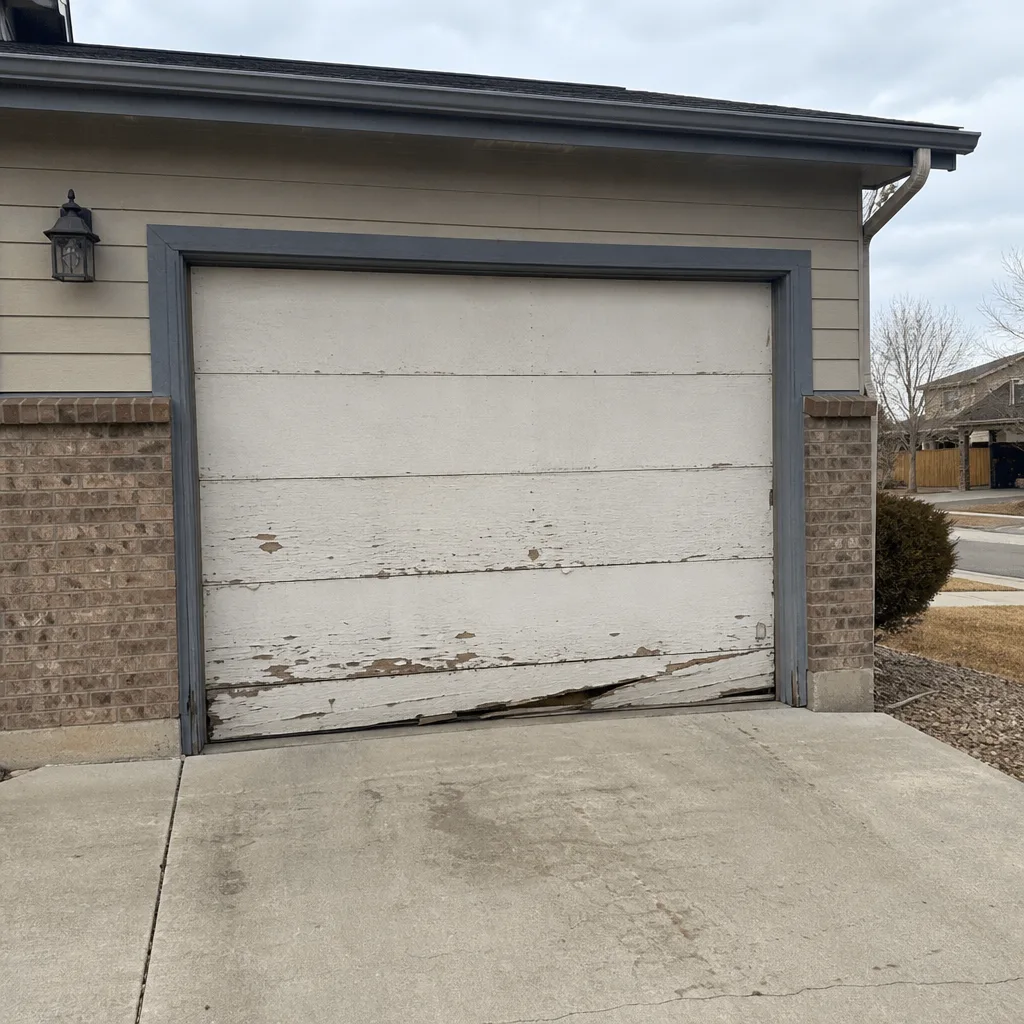 Before
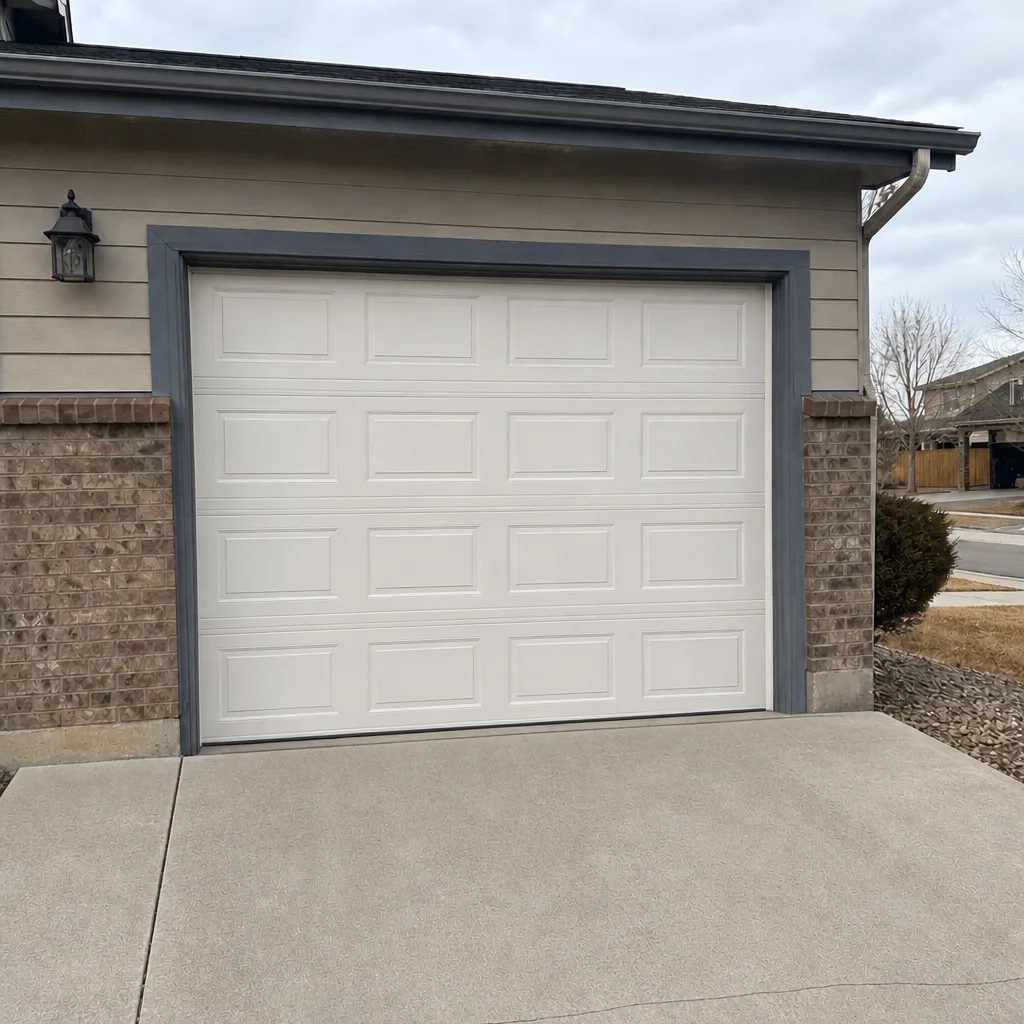 After
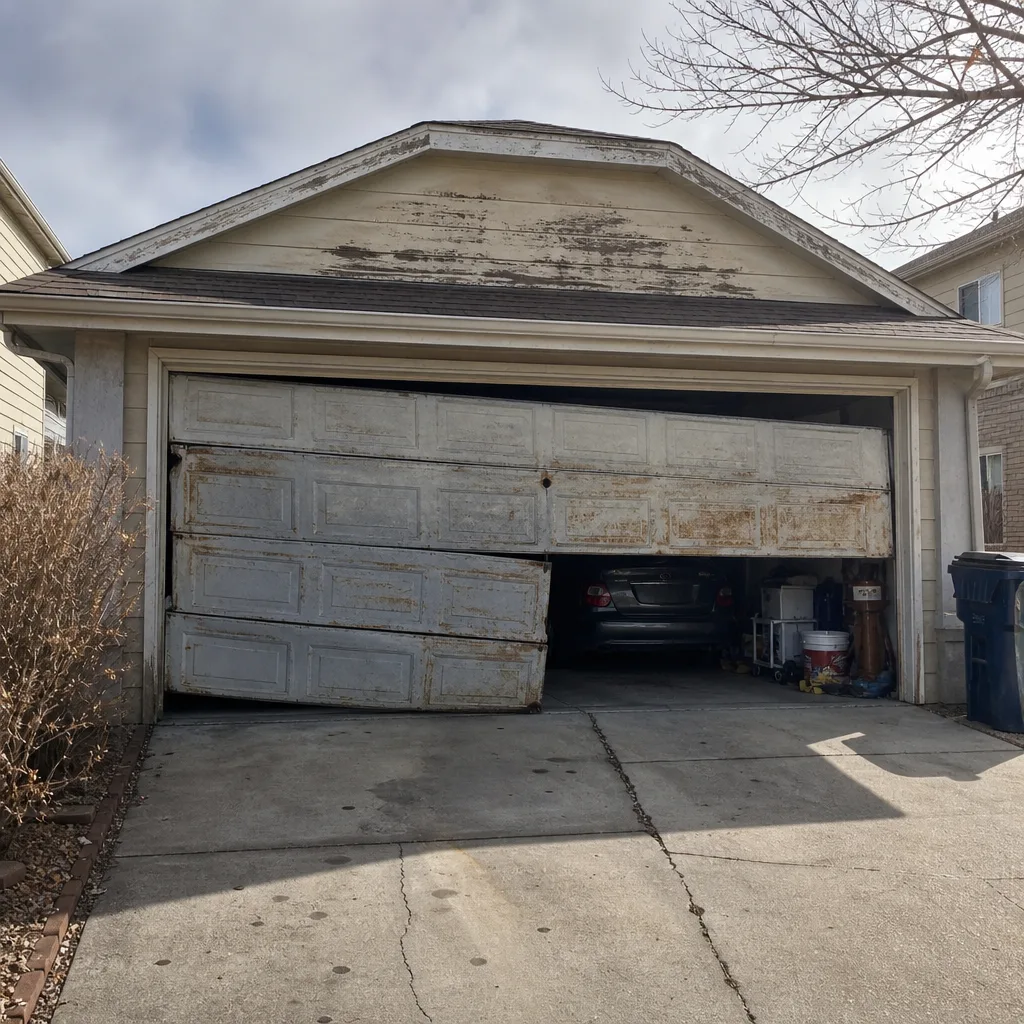 Before
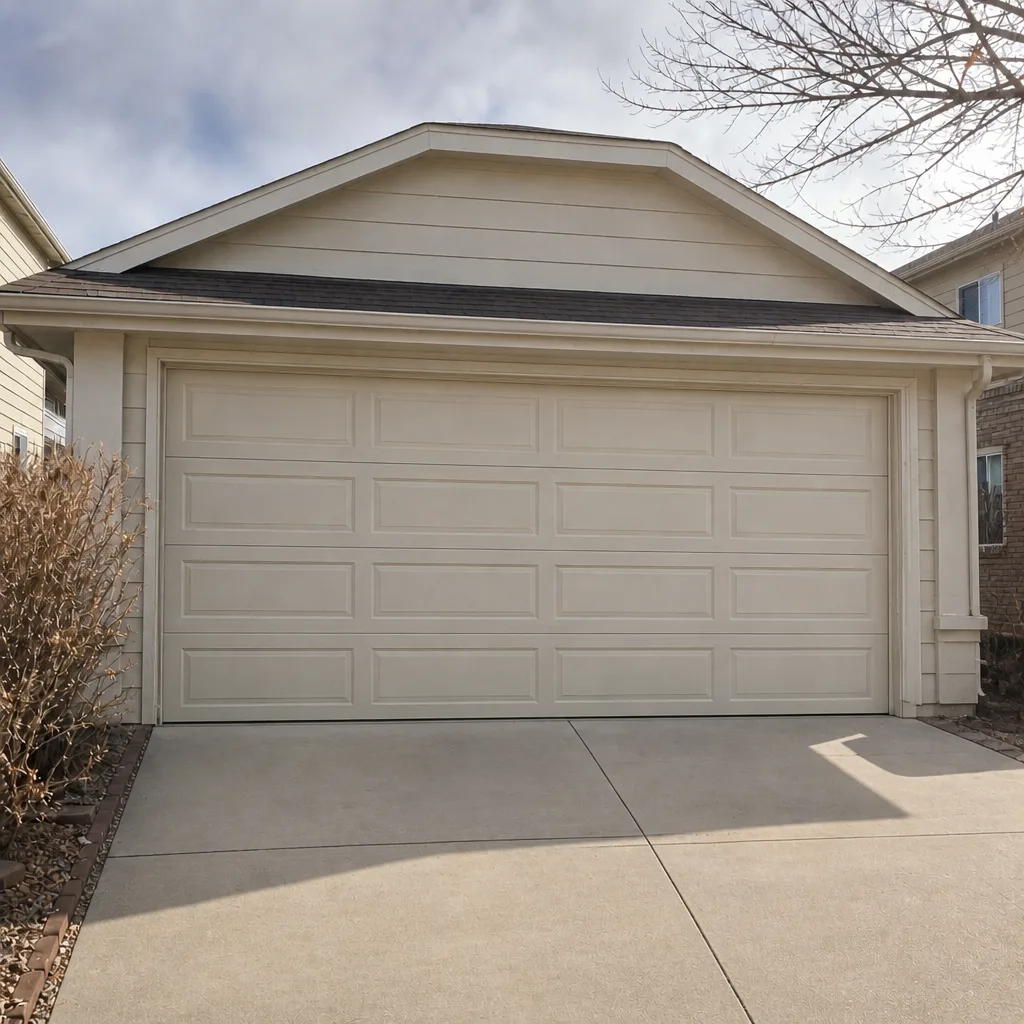 After
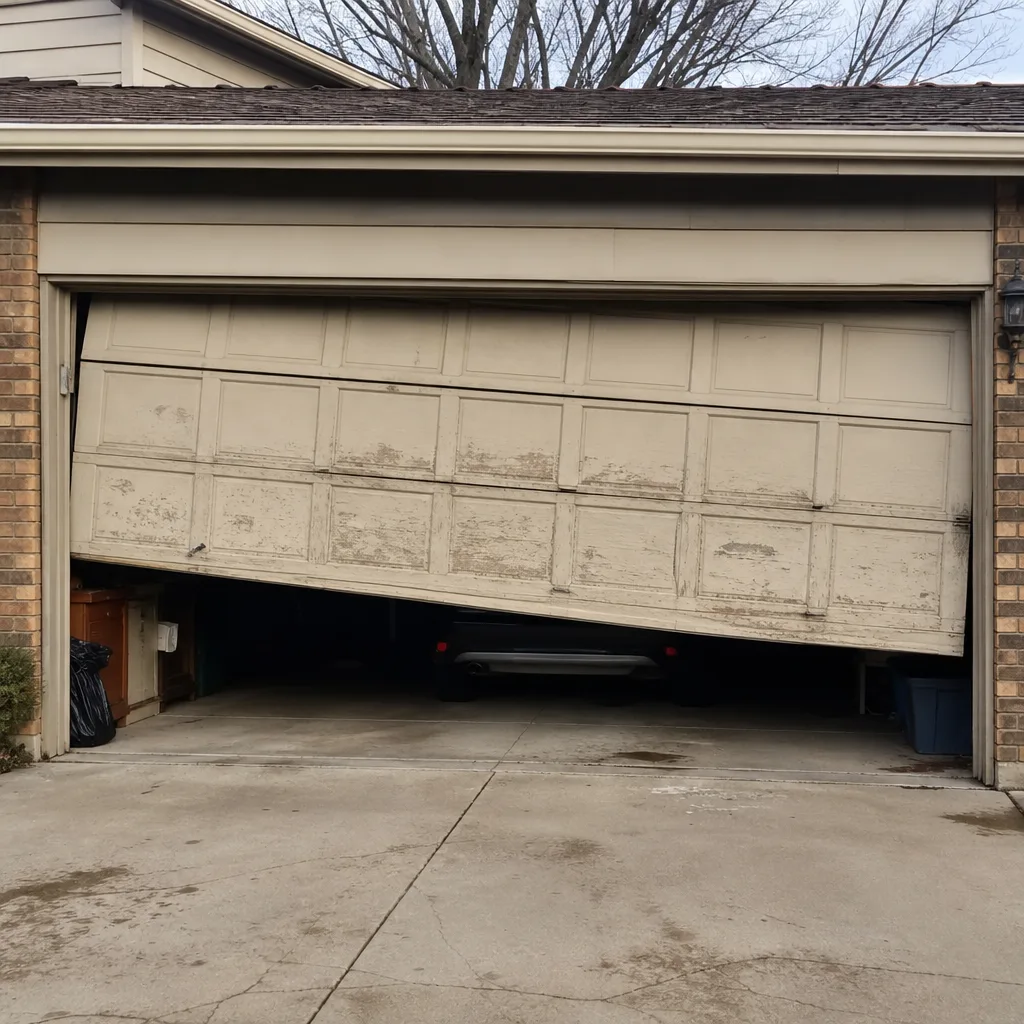 Before
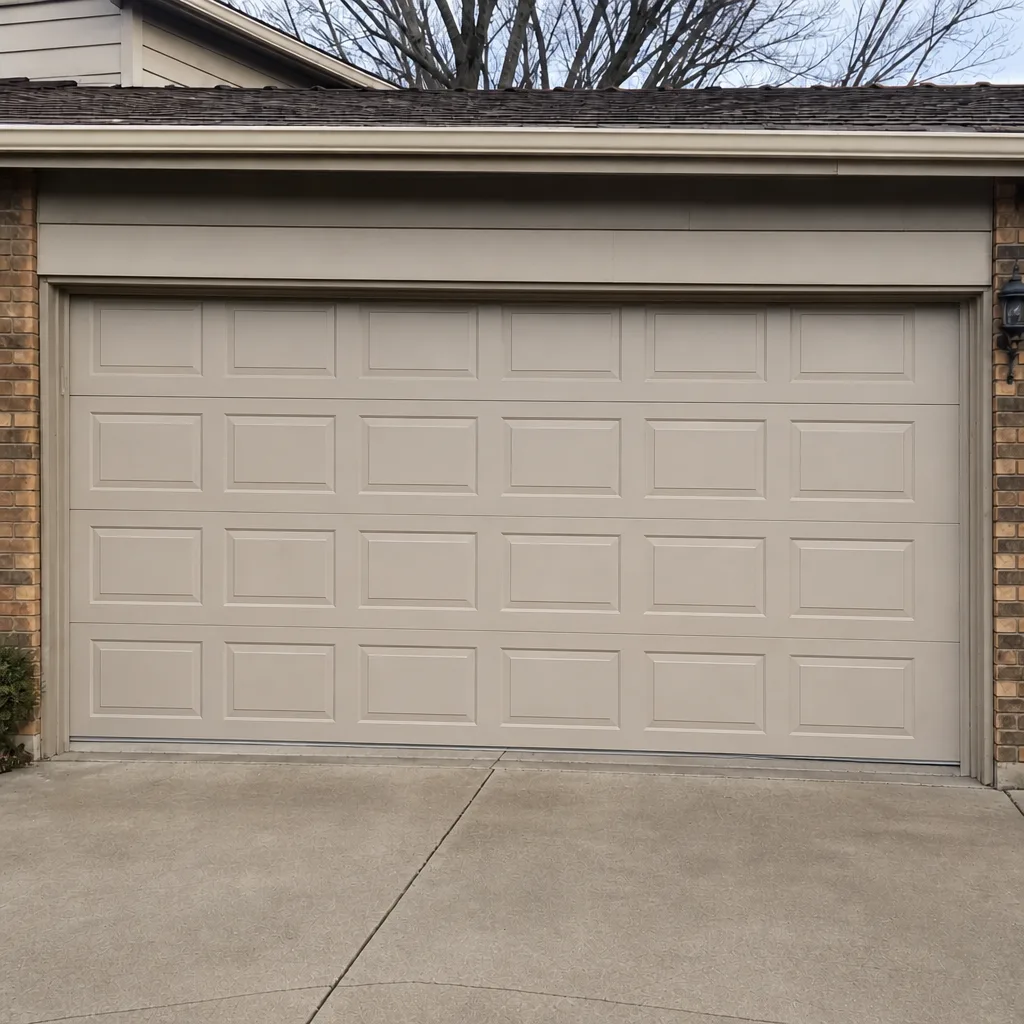 After