
Last updated November 22, 2026
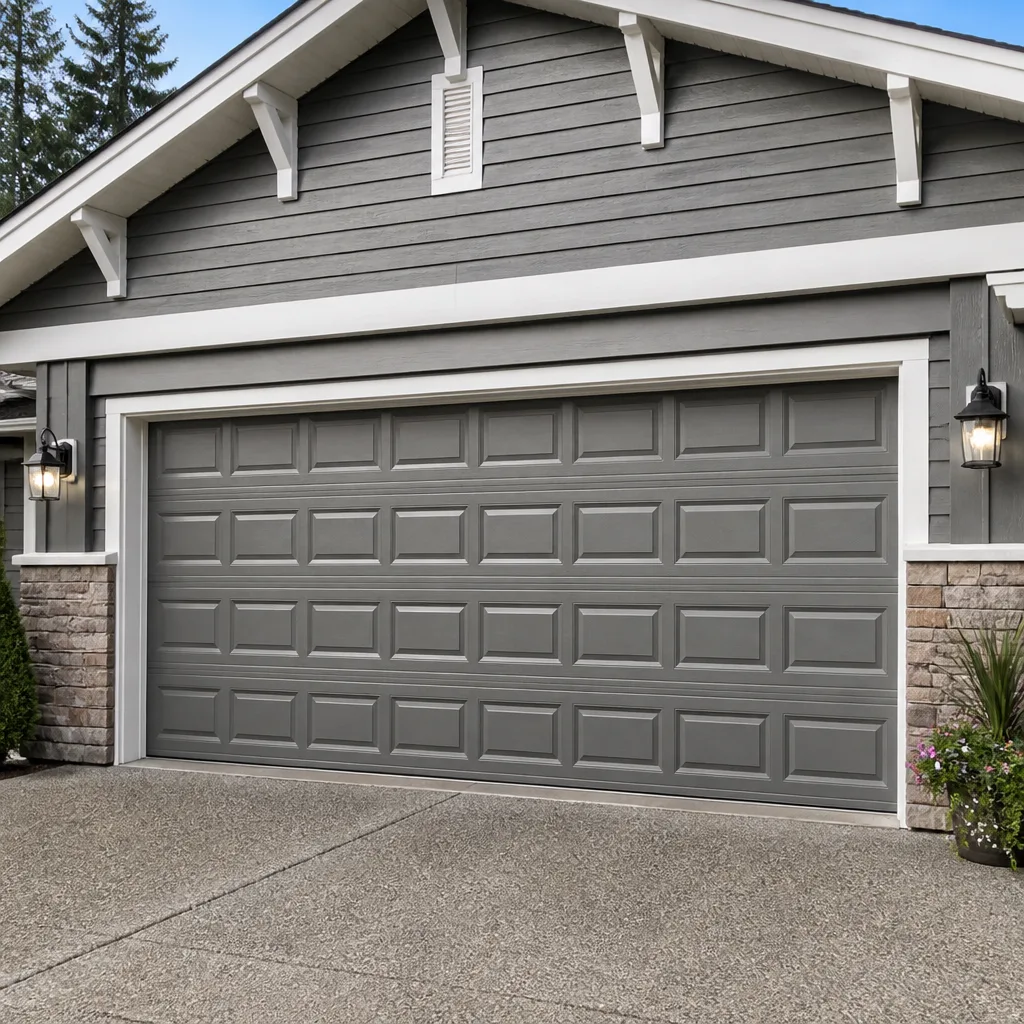 Raised-panel steel
 Carriage house
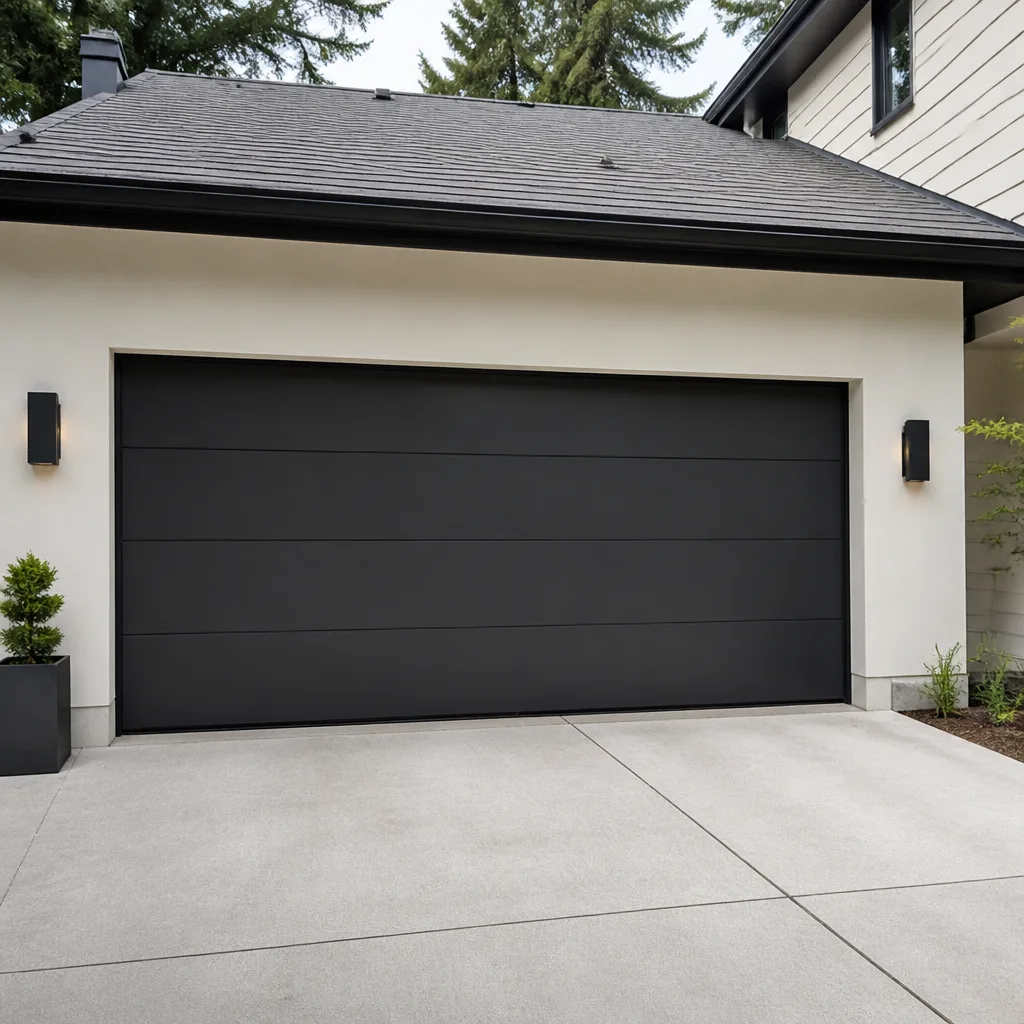 Modern flush
 Full-view glass
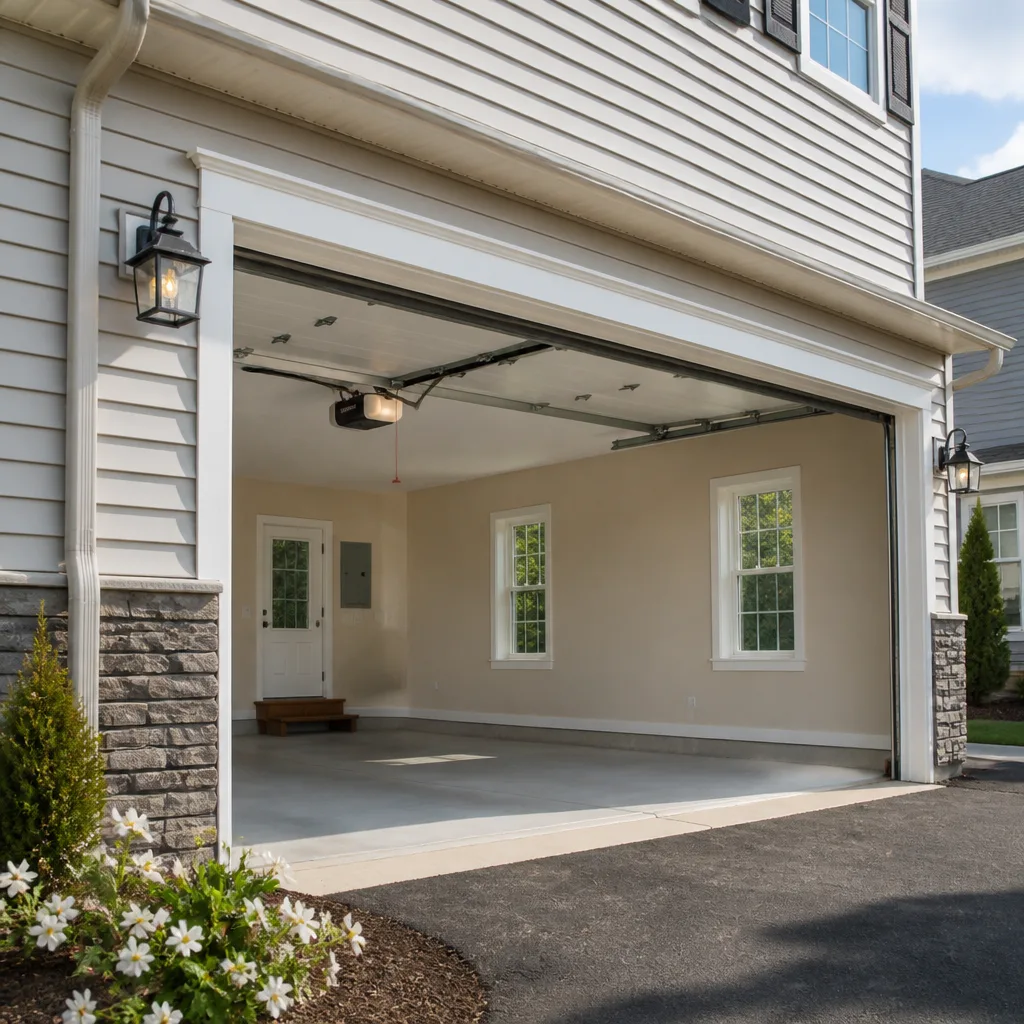 LiftMaster openers
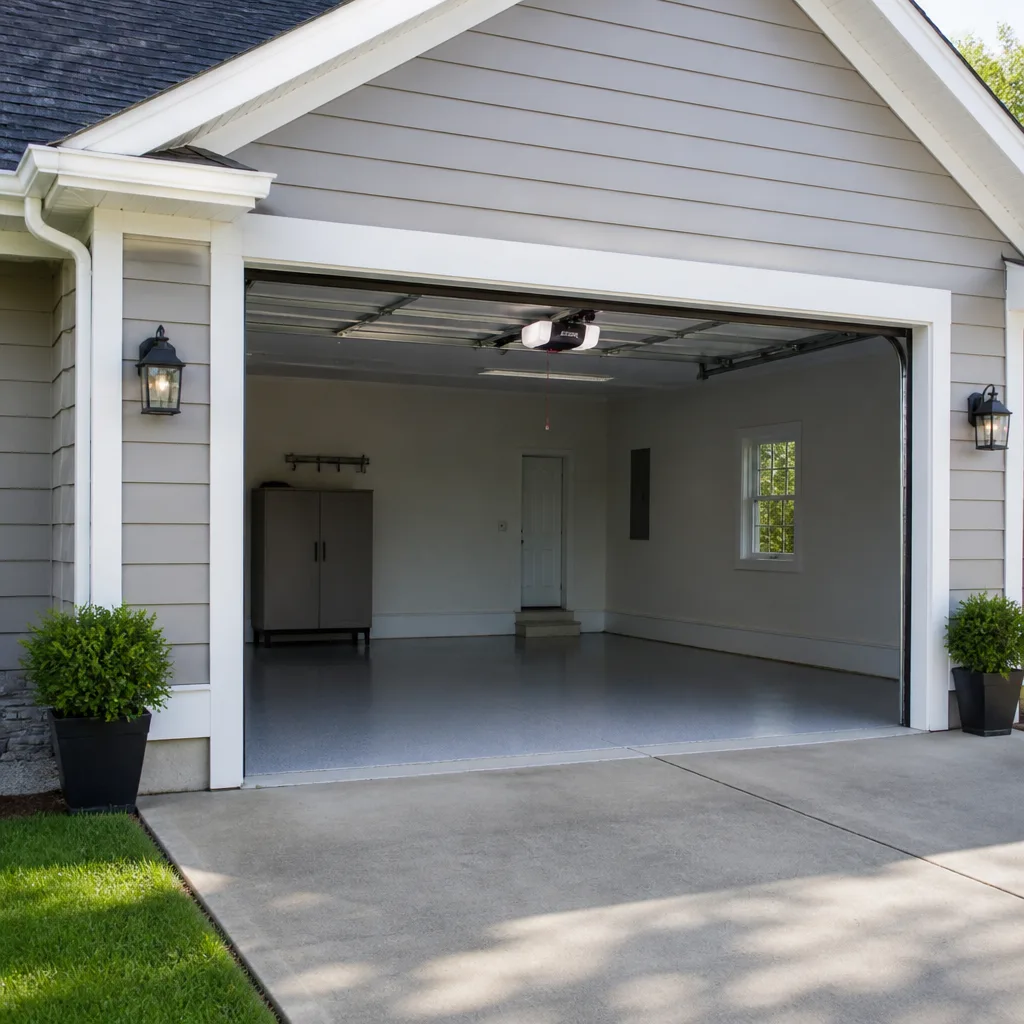 Chamberlain openers
Full 25-point door and opener safety check with every visit - springs, cables, rollers, tracks, and your LiftMaster or Chamberlain opener included
You get a price before we start. It does not change when the pro arrives.
Get your free estimateGarage Door Repair Maintenance Schedule: What to Do and When
Most homeowners think a garage door fails because it got old. In our experience, the number-one cause of premature spring failure is a door that binds and never gets lubricated, which puts roughly 30% more load on the springs through every cycle. A garage door isn’t one machine that needs one annual tune-up. It’s a set of about 11 moving parts that wear at completely different rates, and the schedule that keeps them alive is tiered by task frequency. This guide gives Green Valley Ranch homeowners a seasonal calendar you’ll actually keep, from the 10-second checks you do monthly to the two service windows that matter most in Colorado’s freeze-thaw climate.
Quick Answer
The right garage door maintenance schedule is tiered, not annual: run a visual check and balance test monthly, lubricate moving parts quarterly, tighten hardware and test safety features twice a year, and book one professional tune-up annually. In Green Valley Ranch, the two non-negotiable service windows are late October, before the first hard freeze, and early April, after the thaw. Most high-value homeowner tasks take under 10 minutes each.
Styles & brands we work with
- Raised-panel steel
- Carriage house
- Modern flush
- Full-view glass
- LiftMaster openers
- Chamberlain openers
Table of Contents
- Why a Single Annual Tune-Up Is the Wrong Model
- Monthly: The Tasks That Take Two Minutes
- Quarterly: Lubrication Done Right
- Twice a Year: Hardware, Balance, and Safety Tests
- Annually: The Professional Tune-Up
- Colorado Timing: The Late October and Early April Windows
- The 10-Second Balance Test
- Common Mistakes to Avoid
- When to Call a Professional
- Frequently Asked Questions
Why a Single Annual Tune-Up Is the Wrong Model
A garage door is often described as one system, but it’s really a collection of parts with very different lifespans and very different failure triggers. The torsion springs take the brunt of the load and are the most common major repair. Rollers wear on a separate curve. The opener’s drive gear, the hinges, the bearings, the cables, the photo-eye sensors – each one ages on its own schedule. Treating them all to a single yearly inspection means the fastest-wearing pieces go unaddressed for months.
The better mental model is a calendar with four tiers. Some tasks are so quick you can fold them into your monthly routine. Others need to happen every season. A few are worth doing twice a year because the stakes are high and the effort is low. And one – the professional tune-up – is worth paying for once a year because it catches what you can’t. We see Green Valley Ranch homes where the door has been completely neglected for years and still opens, and we see doors that were “maintained” once a year with a quick spray of the wrong lubricant and wore out faster than they should have. The difference is almost always frequency and technique, not luck.
If your door is already acting up, the maintenance schedule is still worth starting, but you may first need to book garage door repair for a specific fault before the routine makes sense. Maintenance prevents problems; it doesn’t fix one that’s already underway.
Monthly: The Tasks That Take Two Minutes
Once a month, spend two to three minutes with the door closed, then repeat with it open. You’re looking for change, not perfection. The goal of the monthly pass is early detection, which is where most repair costs get avoided. You’re not fixing anything; you’re noticing.
- Look at the springs and cables. With the door closed, check the torsion spring above the door (or the extension springs beside the tracks on older doors). Look for visible gaps, rust streaks, or a spring that looks stretched compared with last month. Cables should sit evenly in their drums with no fraying.
- Run the balance test (full instructions below). Ten seconds, one hand, and it tells you whether the springs are holding tension.
- Listen. Open and close the door once. A door that ran quietly last month and now grinds, squeals, or pops is telling you something.
- Check the photo-eye sensors. Wave a hand or a box through the beam at the bottom of the tracks and confirm the door reverses. This is a safety check, not a convenience check, and it’s worth doing more often than twice a year if you have kids or pets.
That’s it. No tools, no ladder, no lubricant. Monthly does not mean maintenance day; it means a two-minute walk-around. Homeowners in Green Valley Ranch who keep only this tier up tend to catch spring wear before it becomes a snapped-spring call, because the monthly balance test reveals lost tension weeks or months before failure.
Quarterly: Lubrication Done Right
Lubrication is the single most misunderstood task on any garage door. Done right, it extends the life of rollers, hinges, and bearings and reduces the load on the springs. Done wrong, it attracts grit and shortens the life of the parts you’re trying to protect. The wrong product here is worse than no product at all, which is why the lubricant choice matters as much as the schedule.
What to use – and what never to use
- Use a white lithium grease or a silicone-based garage door lubricant. These are designed for metal-on-metal contact and won’t turn gummy in the cold, which matters in a Colorado winter.
- Never use WD-40 on rollers or springs. Standard WD-40 is a solvent-based penetrant, not a lubricant. It strips the existing grease, attracts dust that becomes an abrasive paste, and evaporates. Springs lubed with WD-40 run dry within weeks.
- Never use cooking spray, motor oil, or generic “all-purpose” lubricant. Motor oil migrates and stains the concrete; cooking spray congeals. Both attract grit.
Where each product goes
- Hinges: one short spray at each pivot point. Wipe off excess with a rag.
- Rollers: lubricate the metal stem of each roller, not the wheel itself. Nylon rollers need no lubrication at all.
- Track: a very light wipe with a silicone-lubricated cloth. Never spray wet lubricant into the track; it collects dirt and the rollers ride on grit.
- Torsion springs: a light coating on the spring coils. This reduces the friction between coils and slows the rust that eats springs from the inside.
- Opener rail and chain (if your opener uses a chain or belt drive): follow the opener manufacturer’s recommendation. Many chain drives want a specific chain lubricant; belt drives want nothing at all.
A quarterly lubrication session takes about 10 minutes and is where most of the real preventive value lives. If you run a Genie, Wayne Dalton, or Clopay system, the roller and hinge types vary, but the lubrication principle is the same.
Twice a Year: Hardware, Balance, and Safety Tests
Twice a year – once in spring, once in fall – set aside about 20 minutes and go through the door methodically. This is where you catch the issues that the monthly and quarterly passes only hint at.
- Tighten every bolt and lag screw on the hinges, tracks, and door brackets. Vibration loosens them over months. A loose bracket can put the door out of alignment and stress the springs.
- Check the tracks for alignment. The two vertical tracks should sit parallel, and the two horizontal tracks should mirror each other. A track that’s been knocked out of true – car bumper, ladder, kid on a bike – will bind the door and prematurely wear the rollers.
- Test the auto-reverse safety feature. Place a small block of wood (2×4 laid flat) on the ground under the door and close it. The door should reverse on contact. If it doesn’t, stop using the opener and call for repair; this is a genuine safety failure.
- Test the photo-eye sensors. Same test as monthly, but also check that the sensor lenses are clean and the indicator lights on each are solid, not flickering.
- Inspect the weather seal along the bottom and sides. A cracked bottom seal lets in cold air and water, which is a real issue in Green Valley Ranch’s freeze-thaw winters. Replacement seals are inexpensive and worth doing before cold weather sets in.
- Run the balance test again and note the result. If it’s drifting, the springs are telling you something.
This is also the right cadence for a quick visual check of the opener drive system. Belt and chain drives on Genie and Chamberlain units, for instance, need a different inspection than a direct-drive opener. If you’re unsure what you’re looking at, this is a good point to schedule the annual professional tune-up and let a technician cover it instead – full service on garage door opener repair is a call away.
Annually: The Professional Tune-Up
A professional tune-up adds things a homeowner can’t do safely or completely. It’s worth paying for once a year, ideally in the late October window before the freeze. Here’s what a technician checks during a proper tune-up, so you know what you’re buying:
- Spring tension measurement. A technician gauges the actual tension in each spring against the door’s weight, which is how you find a spring that’s lost tension without having snapped yet.
- Door balance verified with the door disconnected from the opener. This is the only accurate way to isolate the springs from the whole system.
- Cable inspection with the tension released. A frayed cable hidden behind the drum can’t be seen with tension on it. Cables are under extreme load and are a genuine hazard if they fail.
- Roller and hinge replacement where wear is confirmed. Worn nylon rollers develop flat spots that load the springs on every cycle.
- Opener force and travel limit calibration. The opener’s force settings and travel stops need adjustment to match the door’s actual weight; when that drifts, the opener fights the door.
- Track alignment correction and full hardware re-torque. A professional can true a track that a homeowner can’t safely adjust.
- Lubrication of every moving point, including those hard to reach from a homeowner’s step stool.
At Garage Door Repair Green Valley Ranch we work on the eight major brands – LiftMaster, Chamberlain, Genie, Clopay, Amarr, Wayne Dalton, Craftsman, and Raynor – which means the technician who shows up already knows the specific system on your door and can bring the right part for it. We also supply garage door parts directly, which cuts the wait time between diagnosis and a completed repair that often stretches to days at a shop that outsources parts. Our technicians have up to 15 years of experience, and they’re used to telling homeowners what the door actually needs, not what would be most profitable to sell.
Colorado Timing: The Late October and Early April Windows
In Green Valley Ranch, the calendar matters as much as the checklist. The local climate produces a hard freeze-thaw cycle that puts two specific stresses on a garage door: metal contraction and expansion across temperature swings, and moisture that seeps into the bottom seal and then freezes. The right schedule works around those two stresses.
Late October – before the first hard freeze. The goal is to have everything ready before the cold arrives. Cold weather makes metal brittle, and a spring or cable that’s on the edge is much more likely to fail in January than in October. Winter also makes the door cycle harder: thickened lubricant on the tracks, a stiffer bottom seal, and the extra load that comes from a slightly bent door contracting in the cold. Late October is when you want the annual tune-up done, the seals replaced, and the hardware torqued. A door that goes into winter in good shape has a much better chance of coming out of it that way.
Early April – after the thaw. The goal is to catch the damage the winter did. Seals have taken a beating from ice and grit. Tracks may have shifted from frost heave under the concrete. Springs that survived the cold may have lost noticeable tension. April is also the right time for any repair work that the winter exposed – the balance test will show you. This window is the second most important service call of the year and it’s the one homeowners skip most often.
Homes in Green Valley Ranch specifically benefit from this rhythm because the neighborhood sees wider diurnal temperature swings than the metro average, which means more thermal cycling on the door system over a year than a milder climate would produce. If you’re on the fence between October and November, choose October.
The 10-Second Balance Test
The balance test is the single most useful check a homeowner can do, because it tells you whether the springs are losing tension before they snap. Here’s how to run it safely:
- Close the door fully. Make sure no one is under it.
- Pull the opener’s manual release cord (usually a red handle hanging from the opener rail). This disconnects the door from the opener so you’re testing the springs alone.
- Lift the door with one hand to about waist height – roughly four feet off the ground.
- Let go. The door should stay in place, or drift within about a foot either way.
- Read the result. If the door sags hard toward the floor, the springs have lost tension. If the door runs up on its own, the springs are over-tensioned or the door is out of balance.
- Re-engage the opener by pulling the cord back. Verify the door cycles normally once before you walk away.
A door that fails the balance test doesn’t necessarily need new springs yet – but it does need a professional look, because a spring under the wrong tension fails sooner and can fail suddenly. This is also the point at which we stop recommending DIY entirely: adjusting torsion springs is a job for a trained technician, and the risk is serious. If your door fails the balance test in Green Valley Ranch, schedule a technician visit rather than attempting to adjust the springs yourself.
Common Mistakes to Avoid
- Using WD-40 on the springs or rollers. It’s a penetrant, not a lubricant. It strips existing grease and leaves metal running dry, which is the fastest way to put extra load on the springs. Use white lithium or a silicone-based garage door lubricant instead.
- Waiting for the spring to snap before calling. A spring that fails the balance test is already on borrowed time. Catching it during the tune-up is far cheaper and much safer than waiting for a failure that leaves the door stuck open, or stuck closed, and often damages the opener too.
- Skipping the April service. Most homeowners remember to book something in the fall. Very few remember the post-thaw check. That’s the window when frost-damaged tracks, tired seals, and tension losses are cheapest to find and fix.
- Replacing the whole door when only the spring or opener has failed. A failed spring doesn’t mean the door needs replacing. A brand-agnostic technician can usually replace the spring and get the existing door running for a fraction of new-door cost.
- Adjusting the torsion spring themselves. Torsion springs are under very high tension. If one lets go while a homeowner is working on it, the injury can be severe. This is one job to leave to a technician.
- Ignoring small noises. A garage door that’s been quiet for years and starts grinding is telling you what’s next. Noise is the earliest, cheapest-warning signal a garage door gives.
- Replacing a door’s rollers or opener without matching the brand. Rolling a mismatched roller type or an opener not designed for the door’s weight can accelerate wear. If you’re on a Clopay, Amarr, or Wayne Dalton door, use parts rated for that specific door weight and profile.
When to Call a Professional
Some issues are worth a maintenance call. Others are a repair job, today. Call for a professional visit if the balance test fails, if a spring has visibly snapped, if the door reverses only intermittently, if a cable shows any sign of fraying, if the door has come off its tracks, or if the opener’s force or travel limits have drifted out of adjustment. Also call if the door is binding enough that a child can’t lift it manually with one hand. Garage Door Repair Green Valley Ranch offers free estimates in Green Valley Ranch – call (855) 337-1312. We answer 24/7. Fast dispatch from 7am to 7pm, Sunday through Friday. Same-day service is often available for repair calls; if the door needs replacement, we’ll schedule a free measure and give you a written price before any work is ordered. You’ll also want to plan for garage door installation if the door is beyond economical repair, and we can quote that in the same visit.
Frequently Asked Questions
Once a year by a professional, plus the homeowner’s own monthly visual check, quarterly lubrication, and twice-yearly hardware and safety tests. In Green Valley Ranch, the professional service should happen in late October, before the first hard freeze, because winter is when cold-stressed springs and cables are most likely to fail. The April check catches what the winter did and is the most commonly skipped step on the whole schedule.
White lithium grease or a silicone-based garage door lubricant. Never use WD-40 on rollers or springs – it’s a penetrant that strips existing grease and leaves metal running dry. Cooking spray, motor oil, and generic household lubricant all attract grit and are worse than nothing. Apply to hinge pivots, roller stems, spring coils, and a light wipe on the track. Call (855) 337-1312 if you’re unsure what your specific opener needs; estimates are free.
The balance test tells you whether your springs are still holding tension. Close the door, pull the opener’s manual release, lift the door to waist height with one hand, and let go. A well-balanced door will stay in place. One that sags hard toward the floor has lost spring tension; one that runs up on its own is over-tensioned or out of balance. Re-engage the opener and verify normal cycling. If the door fails, don’t adjust the springs yourself – call us.
October is the pre-freeze window, when you want the tune-up, seals, and hardware done before cold makes metal brittle and spring failures more likely. April is the post-thaw window, when you want a technician to catch the frost-damaged tracks, tired seals, and spring tension losses that winter produced. The Green Valley Ranch climate’s wide diurnal swings make both windows matter more than they would in a milder place.
No. The homeowner tasks are worth doing – they catch most small issues early – but a professional tune-up does things a homeowner can’t safely replicate: measuring actual spring tension, inspecting cables with the load released, verifying balance with the opener disconnected, calibrating the opener’s force and travel limits, and re-truing tracks. Spring work carries real injury risk and should always be left to a trained technician. Call (855) 337-1312 for a free estimate on a tune-up.
The price is quoted and agreed before any work starts, so you’ll know the number before a technician picks up a tool. If the visit reveals something the written quote didn’t cover, we’ll pause and re-quote before doing that portion. A written estimate is the price – call (855) 337-1312 and we’ll give you an exact quote; estimates are free.
The Bottom Line
The right maintenance schedule is tiered, not annual: monthly quick checks under two minutes, quarterly lubrication with the right product (never WD-40), twice-yearly hardware and safety tests, and one professional tune-up. In Green Valley Ranch, put the tune-up in late October before the freeze and book the catch-up visit in early April after the thaw – those are the two windows that matter most in this climate. Do the balance test monthly; it catches spring wear before it becomes a snapped-spring call. Skip the DIY spring adjustment and let a technician handle it. A well-scheduled door runs quieter, lasts longer, and rarely surprises you.
If your door is due for its seasonal service or something on the calendar was skipped this year, call (855) 337-1312 for a free estimate. We work on the brand you already have, we stock the parts, and we’ll tell you what the door actually needs. We answer 24/7. Fast dispatch from 7am to 7pm, Sunday through Friday.
Written by the team at Garage Door Repair Green Valley Ranch.
See the difference
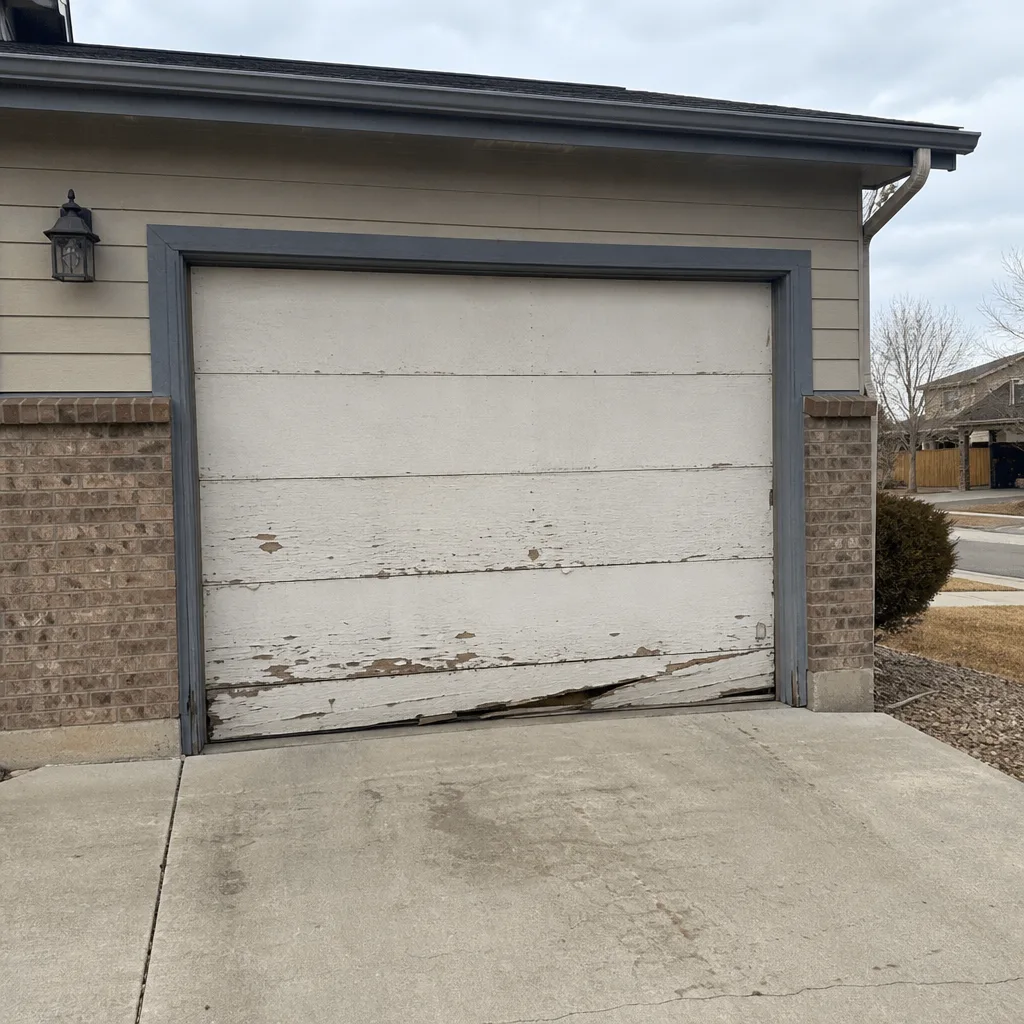 Before
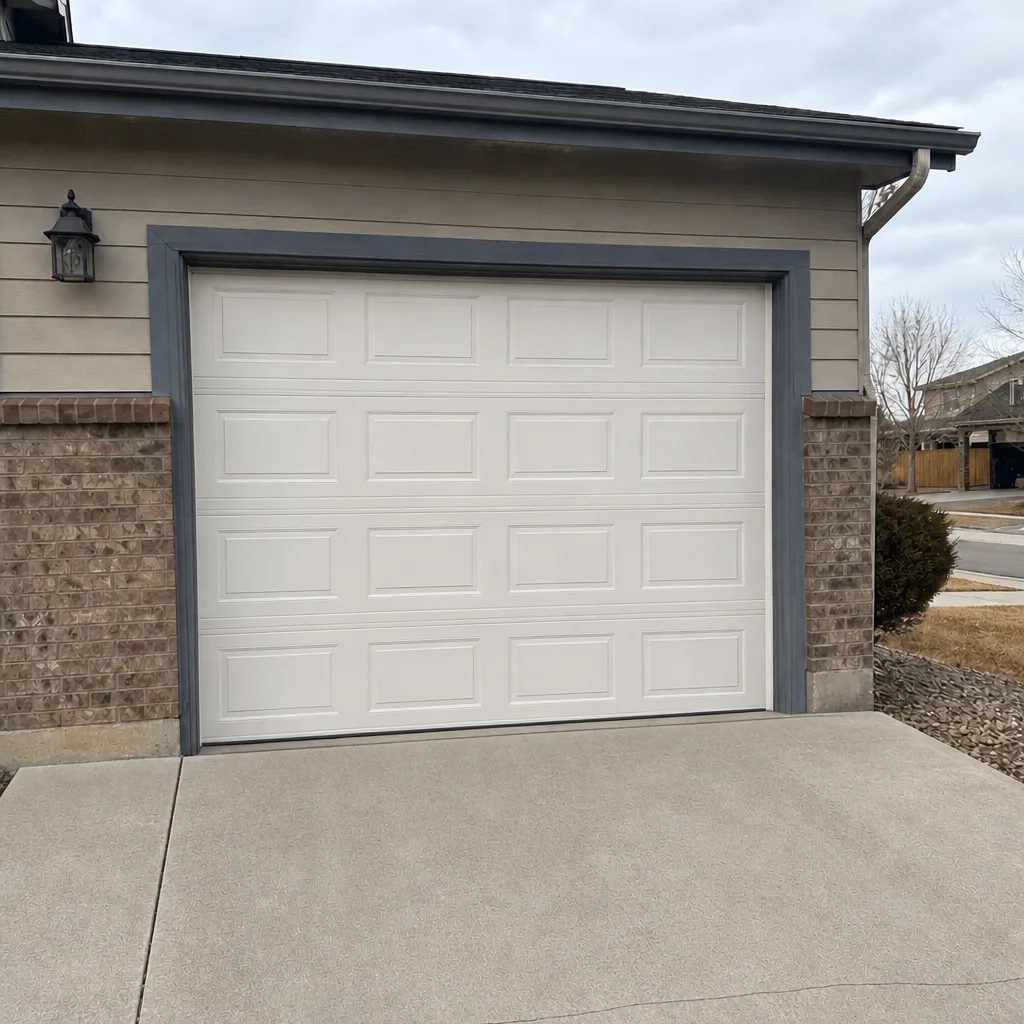 After
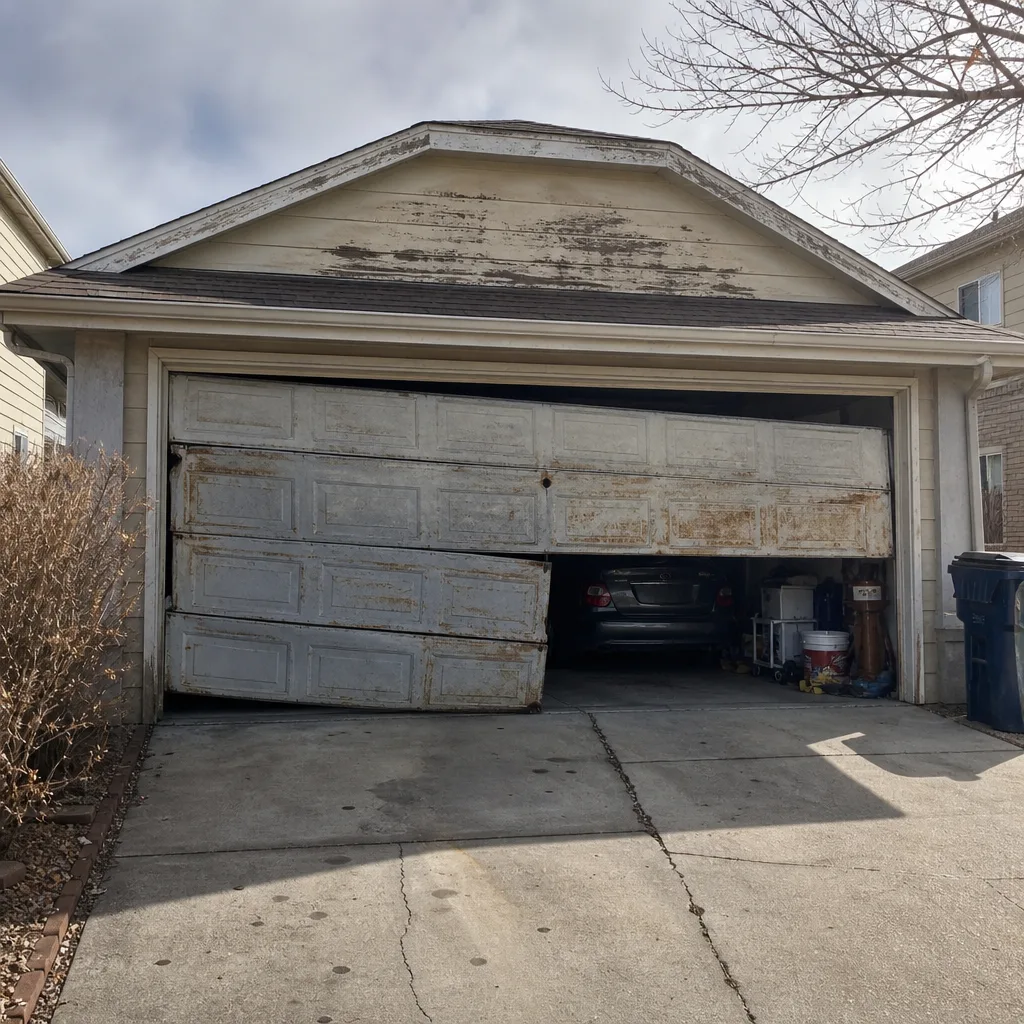 Before
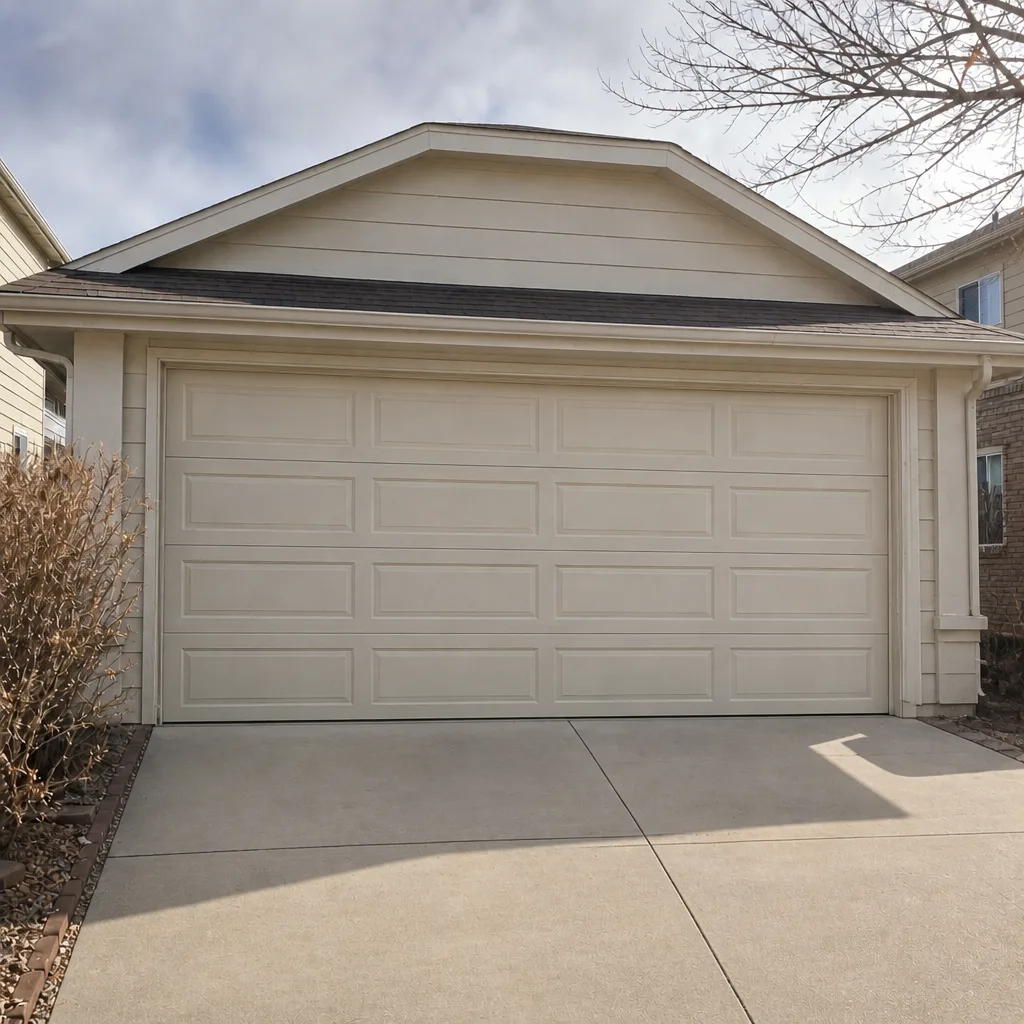 After
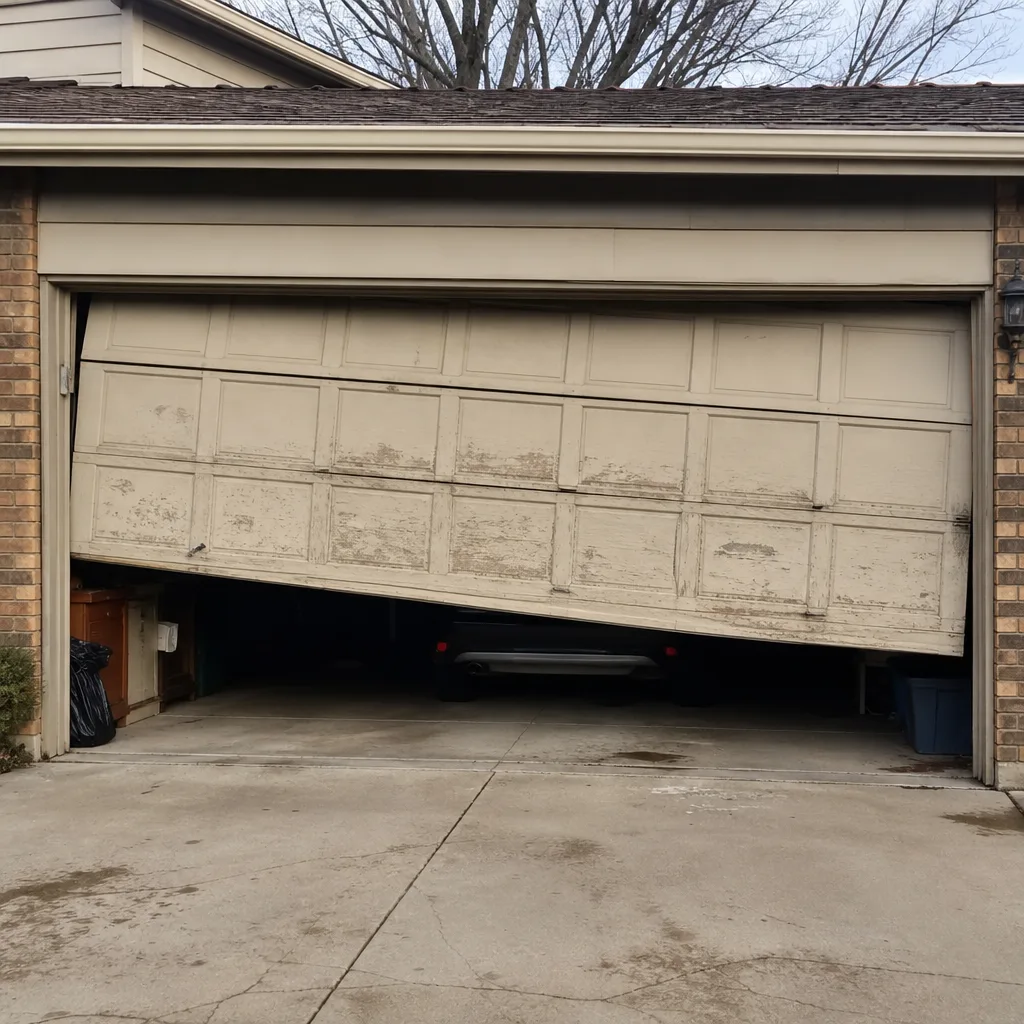 Before
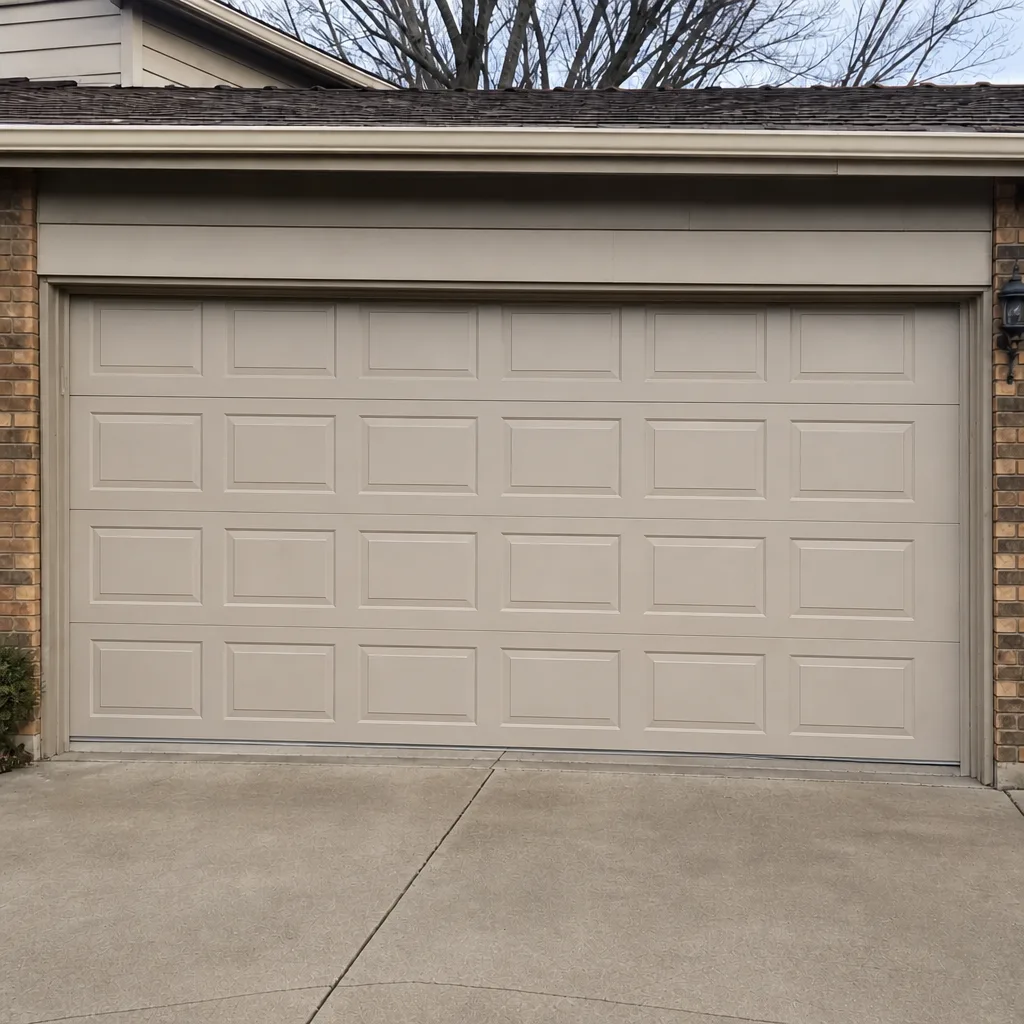 After