
Last updated November 22, 2026
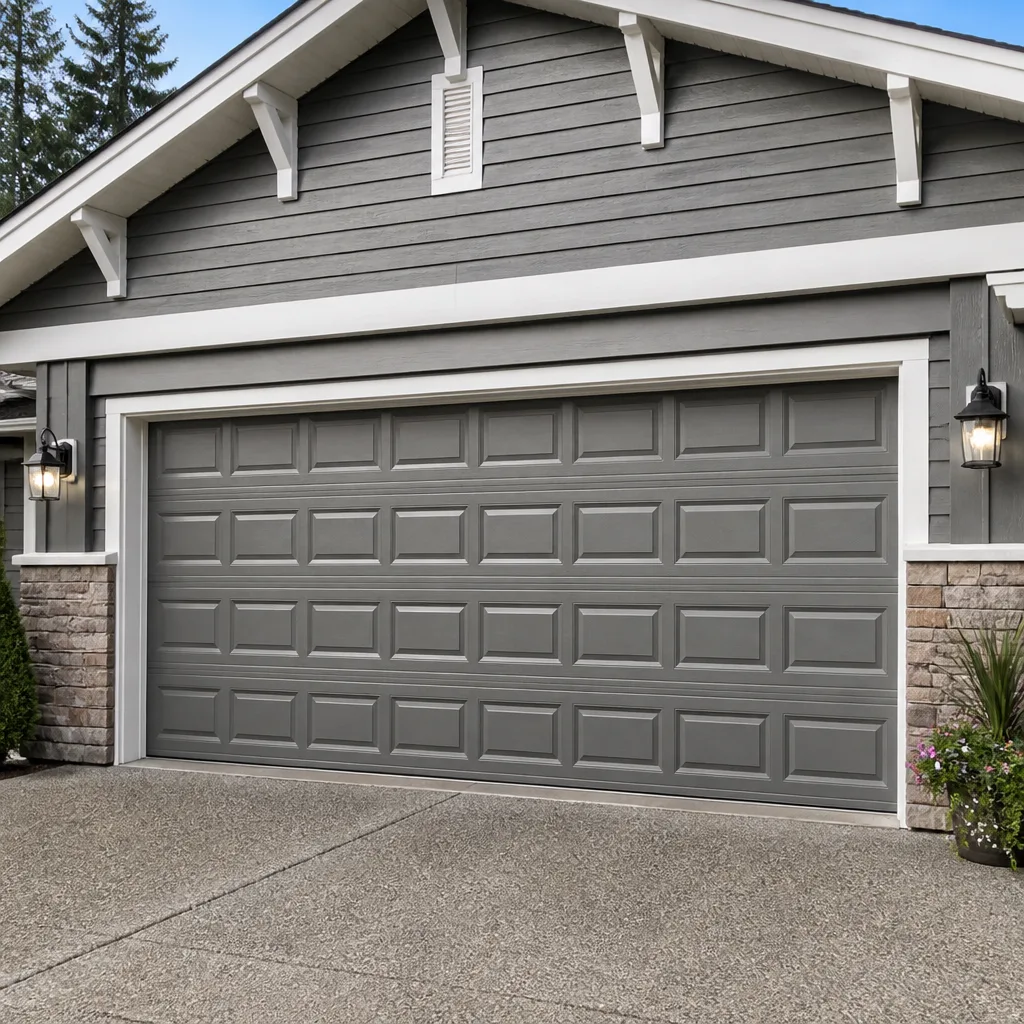 Raised-panel steel
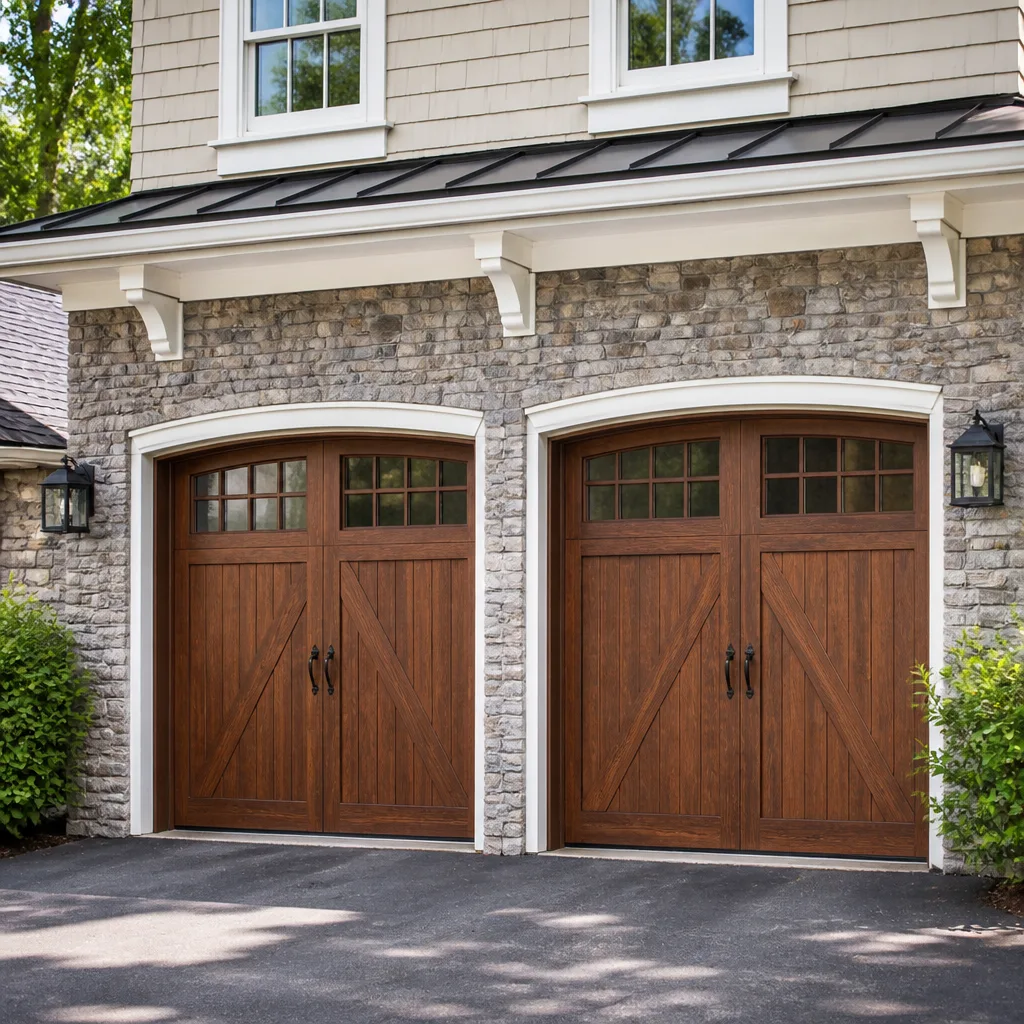 Carriage house
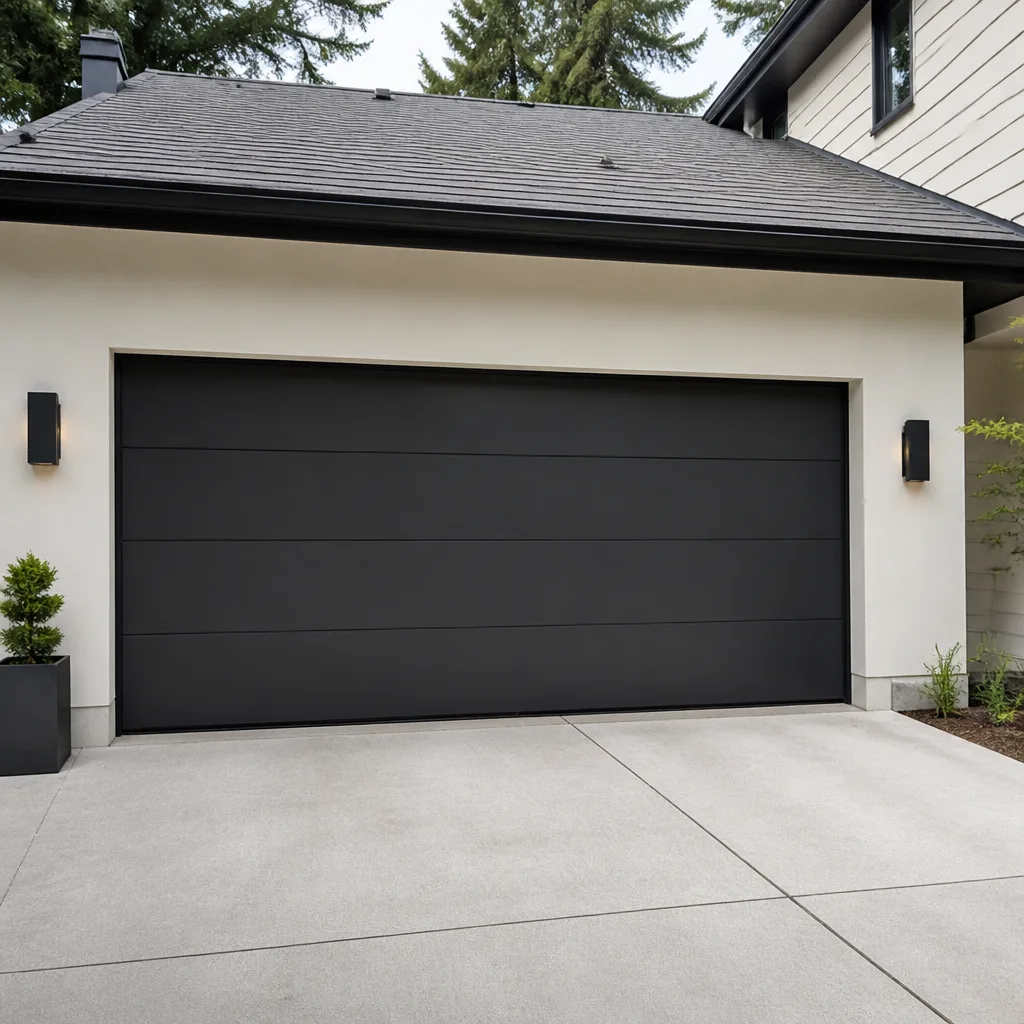 Modern flush
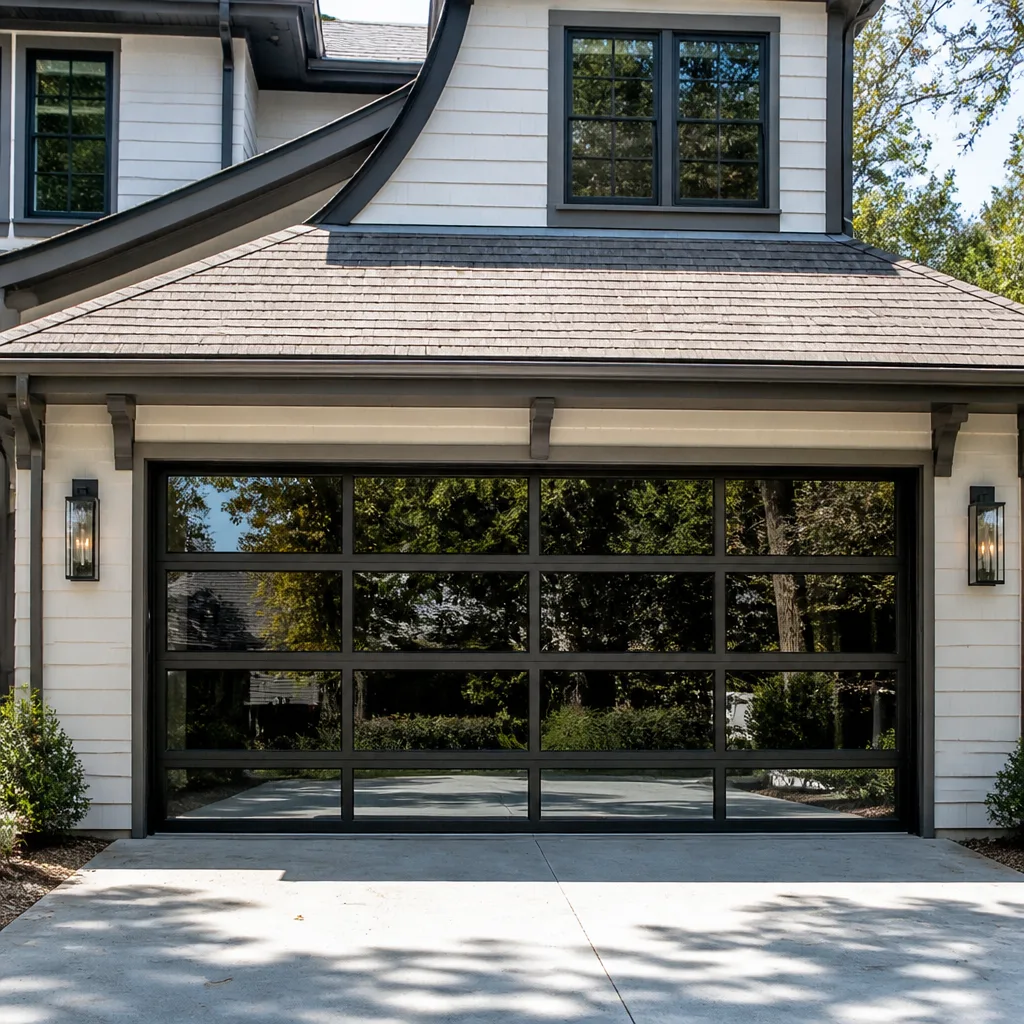 Full-view glass
 LiftMaster openers
 Chamberlain openers
Full 25-point door and opener safety check with every visit - springs, cables, rollers, tracks, and your LiftMaster or Chamberlain opener included
You get a price before we start. It does not change when the pro arrives.
Get your free estimateChoosing the Right Garage Door Brand: A Buyer’s Guide for Green Valley Ranch
The brand name on a garage door is often less predictive of longevity than three specs most buyers ignore: steel gauge, insulation type, and hinge thickness. A 25-gauge door with a polyurethane core from a mid-tier brand will outlast a 27-gauge polystyrene door from a premium nameplate almost every time. That’s the counterintuitive truth we’ve learned from servicing doors across Green Valley Ranch, where the high-desert climate pushes every component harder than the marketing brochures account for. This guide walks you through the five specs that actually determine how long a door lasts here, compares the major manufacturers honestly, explains why the dealer tied to one brand can’t give you unbiased advice, and shows you how to pick an opener that won’t fight the door you buy.
Quick Answer
The best garage door brand in Green Valley Ranch isn’t a single name; it’s the manufacturer whose specific product line meets the right spec thresholds for your home. Prioritize 25-gauge or thicker steel, polyurethane insulation over polystyrene, hinges at 14-gauge or heavier, and a finish warranty of at least five years. A well-spec’d door from Amarr or Clopay will outperform a poorly-spec’d premium door from anyone, and a brand-agnostic installer is the only one positioned to tell you which is which.
Styles & brands we work with
- Raised-panel steel
- Carriage house
- Modern flush
- Full-view glass
- LiftMaster openers
- Chamberlain openers
Table of Contents
- The Five Specs That Actually Determine Door Longevity
- Why Green Valley Ranch Conditions Stress Doors Differently
- Honest Brand Comparison: Where Each Manufacturer Leads and Cuts Corners
- Why a Multi-Brand Installer Gives Better Brand Advice
- Opener Brand Considerations Separate From Door Brand
- Parts Availability and Dealer Network as Decision Factors
- A Step-by-Step Spec Checklist Before You Buy
- Common Mistakes to Avoid
- When to Call a Professional
- Frequently Asked Questions
The Five Specs That Actually Determine Door Longevity
Brand reputations are built on warranty support, dealer networks, and design libraries. Longevity is built on five measurable things, and those five things are what separate a door that lasts fifteen years here from one that sags, warps, or rusts in eight. When you’re comparing quotes, these are the numbers to ask about.
- Steel gauge. Lower gauge numbers mean thicker steel. A 24-gauge or 25-gauge skin is the practical minimum for a residential door in Green Valley Ranch; 27-gauge and 28-gauge steel dents from a stray basketball and flexes in wind. Premium lines from Amarr and Clopay frequently spec 25-gauge or better, while some value lines drop to 27-gauge even under a strong brand name.
- Insulation type and R-value. Polystyrene (the white bead-board foam) is cheaper and performs worse. Polyurethane injected as a core bonds to the steel and delivers roughly double the R-value per inch. For a door facing west into a Green Valley Ranch afternoon sun, polyurethane is worth the upcharge.
- Hinge gauge. Hinges at 14-gauge or heavier hold their geometry under repeated cycles. Stamped 18-gauge hinges stretch and oval their holes over time, causing the door to sag out of square and the opener to labor. This is a spec most buyers never ask about and most salespeople never volunteer.
- Bottom seal material. Vinyl or EPDM rubber seals flex in cold and recover their shape. Cheap vinyl stiffens, cracks, and lets wind-driven dust and cold air under the door. On a sloped Green Valley Ranch driveway where the seal meets an uneven apron, seal quality matters even more than usual.
- Finish warranty. The finish warranty reflects how confident the manufacturer is in its paint and pretreatment process. A three-year finish warranty on a door facing direct Front Range sun is a red flag; five years or longer tells you the coating system was built for real weather.
When you compare quotes side by side, ask for these five numbers in writing. A brand that won’t disclose them is telling you something.
Why Green Valley Ranch Conditions Stress Doors Differently
Green Valley Ranch sits on the high plains east of Denver, and the local climate asks things of a garage door that coastal and mild-climate buyers never think about. The wind is the first factor. This part of the metro catches strong, sustained gusts off the plains, and a door that’s undersized for wind load will flex, rack, and wear its rollers prematurely. A door spec’d for a sheltered lot will not perform the same on an exposed Green Valley Ranch street facing open ground.
Then there’s the sun. West- and south-facing garage doors here take intense UV exposure at altitude, and that’s where the finish warranty stops being a marketing line and becomes a real question. Paint that chalks or fades in four years leaves bare steel, and bare steel in this climate starts to rust at the seams and the bottom edge first.
Temperature swing is the third factor. Green Valley Ranch sees wide day-to-night swings, and every swing makes the steel, the insulation core, and the seal expand and contract at different rates. Polyurethane cores handle that movement better than polystyrene, and EPDM seals handle it better than stiff vinyl.
Finally, the housing stock matters. Many Green Valley Ranch homes have attached garages that face the street directly, which means the door is a front elevation feature as well as a mechanical system. If you’re weighing a full replacement, our Garage Door Repair Green Valley Ranch team can tell you where your current door is actually failing, rather than guessing from the brand name on the panel.
Honest Brand Comparison: Where Each Manufacturer Leads and Cuts Corners
No manufacturer wins on every spec. Each one has product lines worth the money and value lines that trade quality for price. Here’s how the major names available in the Denver metro actually stack up when you read the spec sheets instead of the brochures.
Clopay
Clopay’s premium and mid-tier lines (the Gallery and Coachman families, and their steel-back insulated models) are genuinely well built, with good steel gauges and strong polyurethane insulation options. Where Clopay cuts corners is at the bottom of its range, where polystyrene-core, thinner-steel models carry the same recognizable nameplate at a much lower price. The brand is excellent if you buy the right line and mediocre if you buy the entry one. Their finish systems hold up well in Front Range sun.
Amarr
Amarr is the brand we’d point a spec-focused buyer toward most often. Their mid-tier insulated doors routinely spec 25-gauge steel and polyurethane cores without a huge price jump, and their hinge hardware is more substantial than you’d expect at the price. Amarr’s weakness is design variety: fewer panel and window configurations than Clopay, so if you want a very specific look, your options narrow. For a straightforward insulated door in Green Valley Ranch, Amarr is hard to beat on specs-per-dollar.
Wayne Dalton
Wayne Dalton’s strong point is its broad lineup and its availability through the contractor channel, which keeps parts and panels reasonably easy to source across Colorado. Their premium insulated doors are solid; their value lines slip on steel gauge and seal quality. The classic Wayne Dalton foam-core door is a common sight on Green Valley Ranch homes, and it’s serviceable and repairable, which counts for a lot. Where they cut corners is in the standard hardware package, which benefits from an upgrade at install.
Craftsman
Craftsman is best known for openers, and their door lineup rides that name recognition. The doors themselves are mid-pack: adequate specs, decent insulation on the upper lines, and hardware that’s fine but not exceptional. The real Craftsman question is opener compatibility, which we cover below. If you already have a Craftsman opener, a Craftsman-compatible door and opener pairing is simple and headache-free.
Notice what we didn’t do: rank them 1-2-3. The right brand for your Green Valley Ranch home depends on which product line hits your spec thresholds at your budget, and that varies door to door.
Why a Multi-Brand Installer Gives Better Brand Advice
A dealer tied to one manufacturer can only sell you that manufacturer’s door. That’s not a knock on the dealer’s integrity; it’s a structural fact. When the only tool you have is one brand, every problem looks like a reason to buy that brand. The recommendation you get is shaped by what’s on the truck, not by what fits your garage.
We work on eight nationally recognized brands: LiftMaster, Chamberlain, Genie, Clopay, Amarr, Wayne Dalton, Craftsman, and Raynor. That means when we look at your Green Valley Ranch garage, we’re diagnosing the actual door and opener in front of us, not steering you toward a single product line. If your existing Wayne Dalton is fine and just needs a spring and new hinges, we’ll tell you that instead of pushing a full Clopay install. If your 27-gauge entry-level door is failing at the seams after a decade in the sun, we’ll show you why the specs, not the brand, are the problem.
This is the practical version of brand-agnostic advice. Recommendations get driven by your existing hardware, your budget, and your home’s exposure, not by which line pays the installer more. It’s also why our garage door installation process starts with measuring and specifying before we ever talk about a brand name: the spec comes first, the nameplate second.
When you get quotes from single-brand dealers, ask one question: “What would you recommend if you carried another brand?” The answer tells you whether you’re getting advice or a sales script.
Opener Brand Considerations Separate From Door Brand
Homeowners often conflate door brand and opener brand, but they’re separate decisions with separate compatibility quirks. The opener has to lift the door’s weight, match its balance, and communicate with its safety sensors. Here’s how the common pairings behave.
- Clopay or Amarr door with LiftMaster or Chamberlain opener. The most common and most trouble-free combination. Belt and chain drives from LiftMaster and Chamberlain handle typical insulated door weights with margin, and the safety sensor and force settings dial in cleanly. Chamberlain and LiftMaster share much of their underlying engineering, so service knowledge transfers.
- Wayne Dalton door with Genie opener. Works fine, but Genie’s screw-drive and some chain models need careful force-limit adjustment on heavier insulated doors. Get the limits right at install or the opener will strain and the door will reverse on cold mornings.
- Craftsman door with Craftsman opener. Simple and matched, since both come from the same broader engineering family. The headache is parts: older Craftsman opener models can be harder to source remotes and logic boards for, so factor that into any repair decision.
- Any door with an undersized opener. The real trouble spot isn’t brand mismatch; it’s a 1/2-horsepower opener straining to lift a heavy insulated door it was never sized for. That combination wears out gears, strips the trolley, and shortens the door’s hardware life. Match horsepower to door weight first, brand second.
- Raynor doors pair cleanly with most major openers but benefit from a professional balance check, since their heavier models demand correct spring tension before an opener is even connected.
If your opener is the weak link, our garage door opener repair team can diagnose whether the opener, the door’s balance, or the pairing is the actual problem. Often it’s the door’s springs, not the opener, and no amount of opener brand-shopping fixes that.
Parts Availability and Dealer Network as Decision Factors
A door that’s hard to source parts for is a liability no matter how well it was built. When a spring breaks, a hinge fails, or a panel gets dented, you want the part available quickly and at a fair price, not a six-week special order. Parts availability is a brand decision, and it’s one most buyers never think about until they need it.
Here’s how to evaluate a brand’s parts situation before you buy:
- Ask how common the model is locally. A brand and model that many Green Valley Ranch and Denver metro homes already have means panels, hinges, and springs are stocked and familiar to technicians. An exotic or discontinued line means slow sourcing.
- Check whether the manufacturer still supports the model. Brands discontinue lines regularly. A door with an active parts catalog is easier to live with than one that’s been retired.
- Look at the dealer and service network. A brand with broad contractor coverage across Colorado is easier to get serviced than one with a thin local presence. If only one dealer in the metro carries it, you’re dependent on that dealer’s schedule.
- Confirm springs and hardware are standard sizes. Most torsion and extension springs are standard-dimension parts regardless of door brand, which is good news. The door panel and proprietary hardware are where brand support matters most.
We stock and supply garage door parts directly, which shortens the gap between diagnosis and repair. That’s a practical reason to work with a shop that keeps parts on hand: fewer return visits, fewer “we’ll order it and come back” conversations. For spring work specifically, which is the repair Green Valley Ranch homeowners need most often, having the right torsion spring on hand is the difference between a same-day fix and a multi-day wait.
A Step-by-Step Spec Checklist Before You Buy
Before you sign a quote for a new door, walk through this checklist. It turns a brand conversation into a spec conversation, which is the only one that predicts longevity.
- Get the steel gauge in writing. Require 25-gauge or thicker for the door skin. If the quote doesn’t state it, ask.
- Confirm the insulation type and R-value. Choose polyurethane over polystyrene for any door facing direct Green Valley Ranch sun. Ask for the R-value number.
- Ask for the hinge gauge. 14-gauge or heavier. This is the spec most buyers skip and most sagging doors trace back to.
- Check the bottom seal material. EPDM or quality vinyl, not stiff economy vinyl. Confirm it will seat against your specific driveway apron.
- Read the finish warranty length. Five years or longer for a sun-exposed door here.
- Verify the wind-load rating. Ask whether the door is rated for the exposure your street actually sees, since Green Valley Ranch lots vary.
- Match the opener to the door weight. Confirm horsepower and drive type are sized for the insulated door you’re buying, not a lighter model.
- Confirm parts availability for the model. Ask how the manufacturer supports replacement panels and hardware, and whether the model is current.
Run every quote through these eight items and the brand question mostly answers itself. The door that clears the thresholds at your budget is the right door.
See the difference
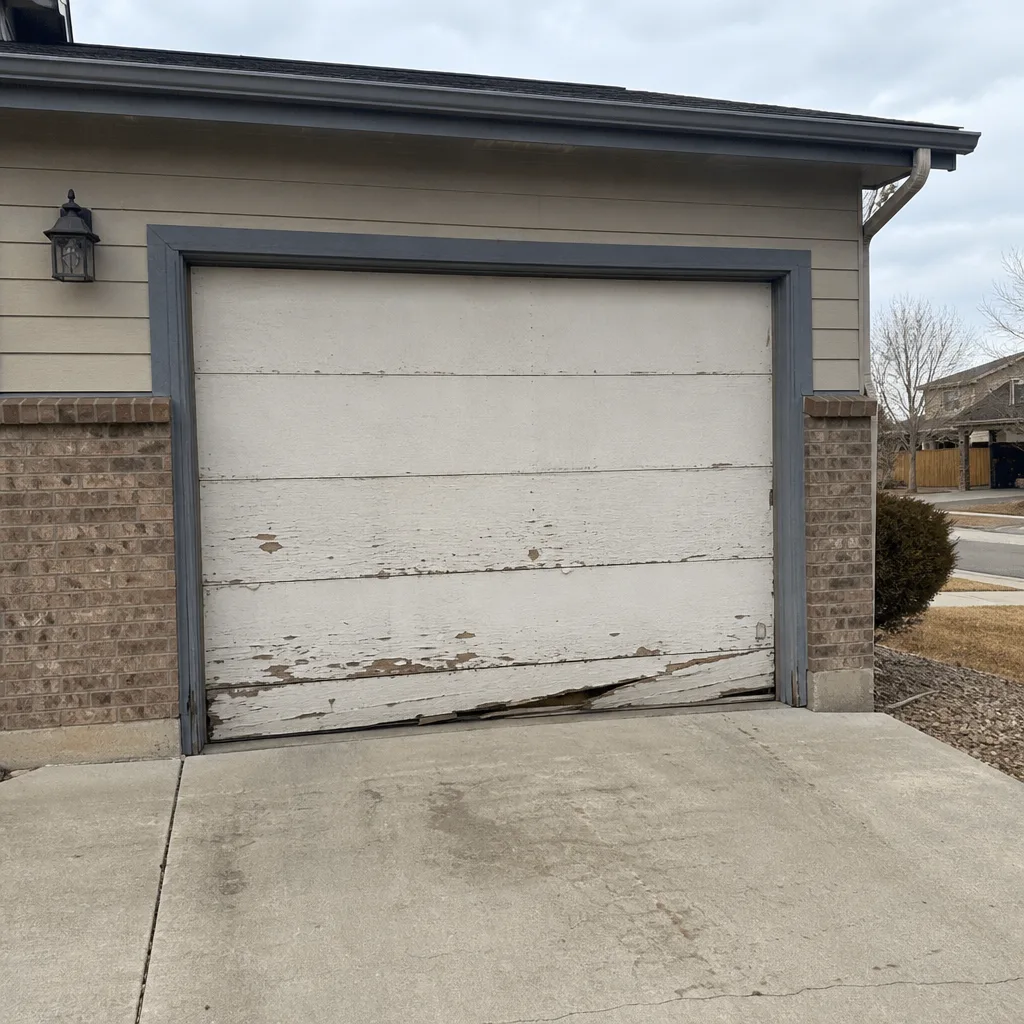 Before
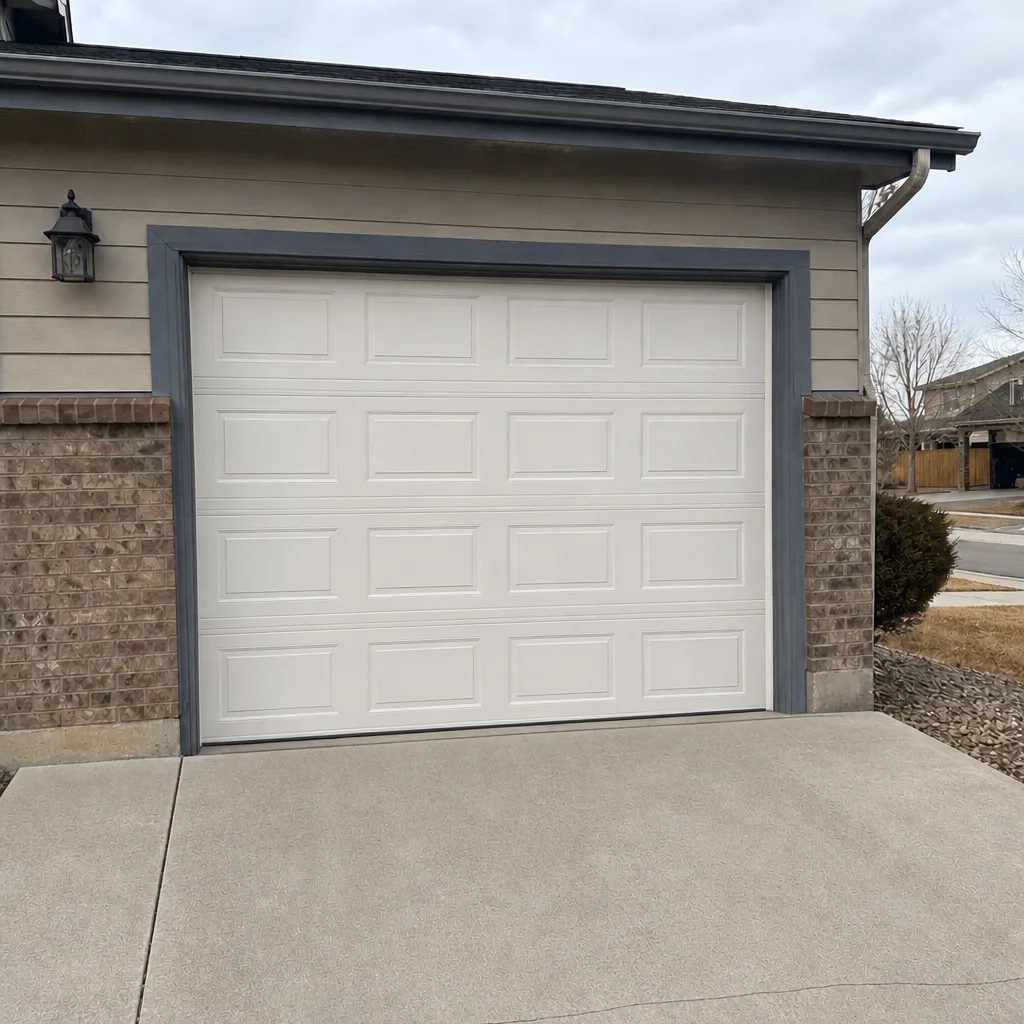 After
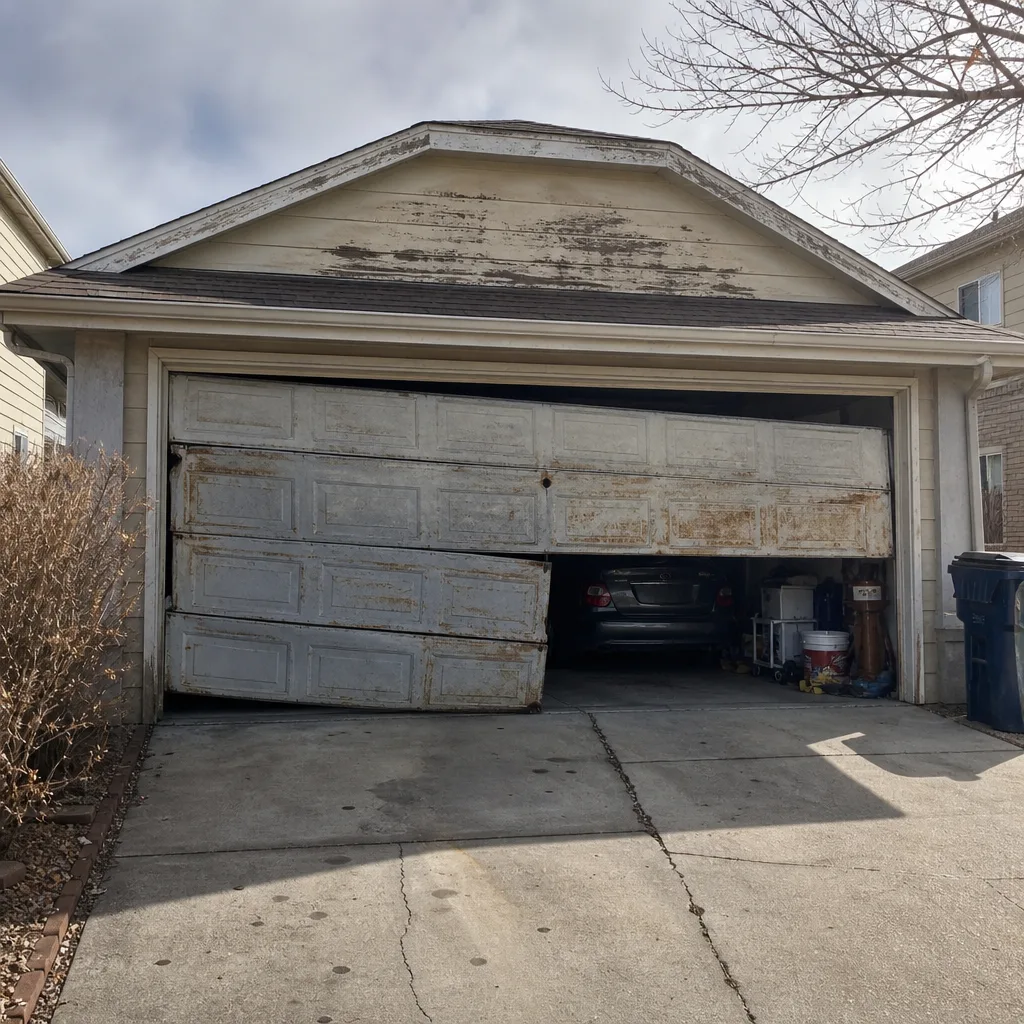 Before
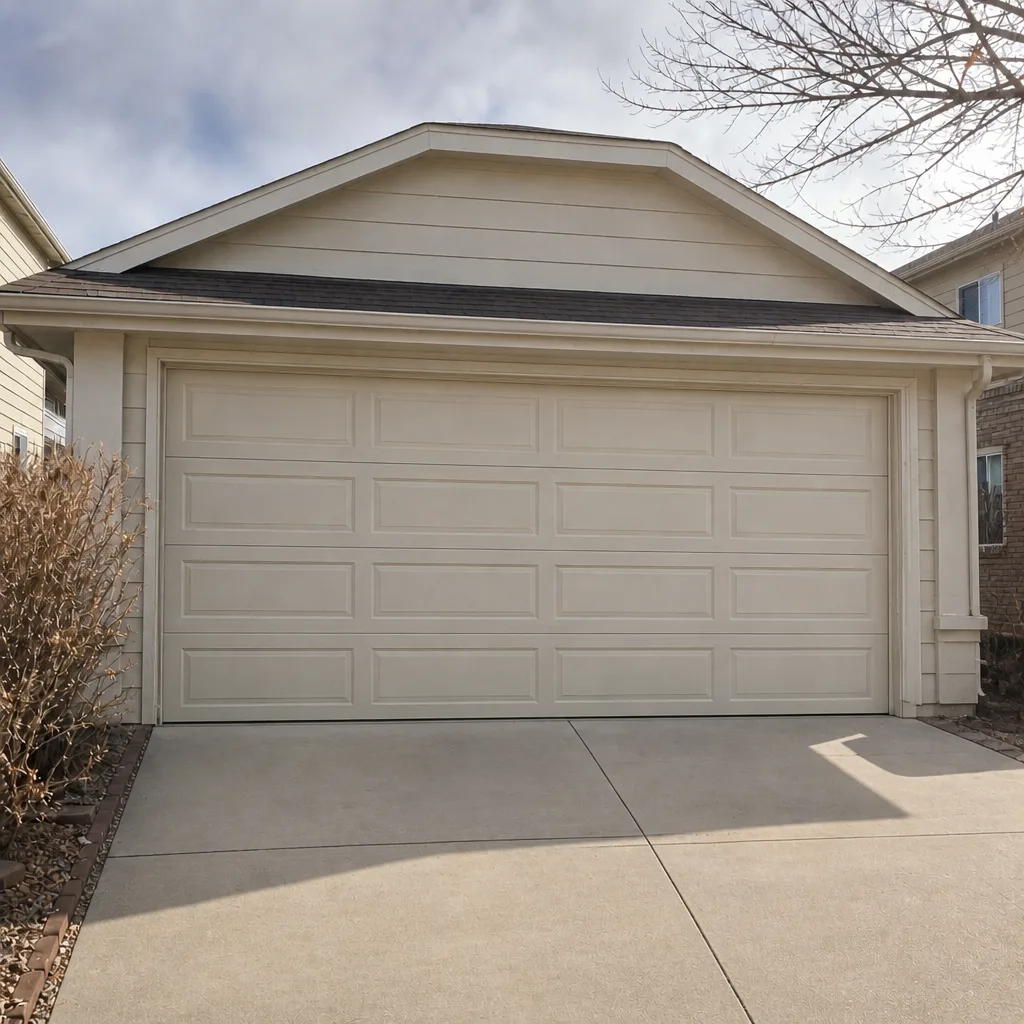 After
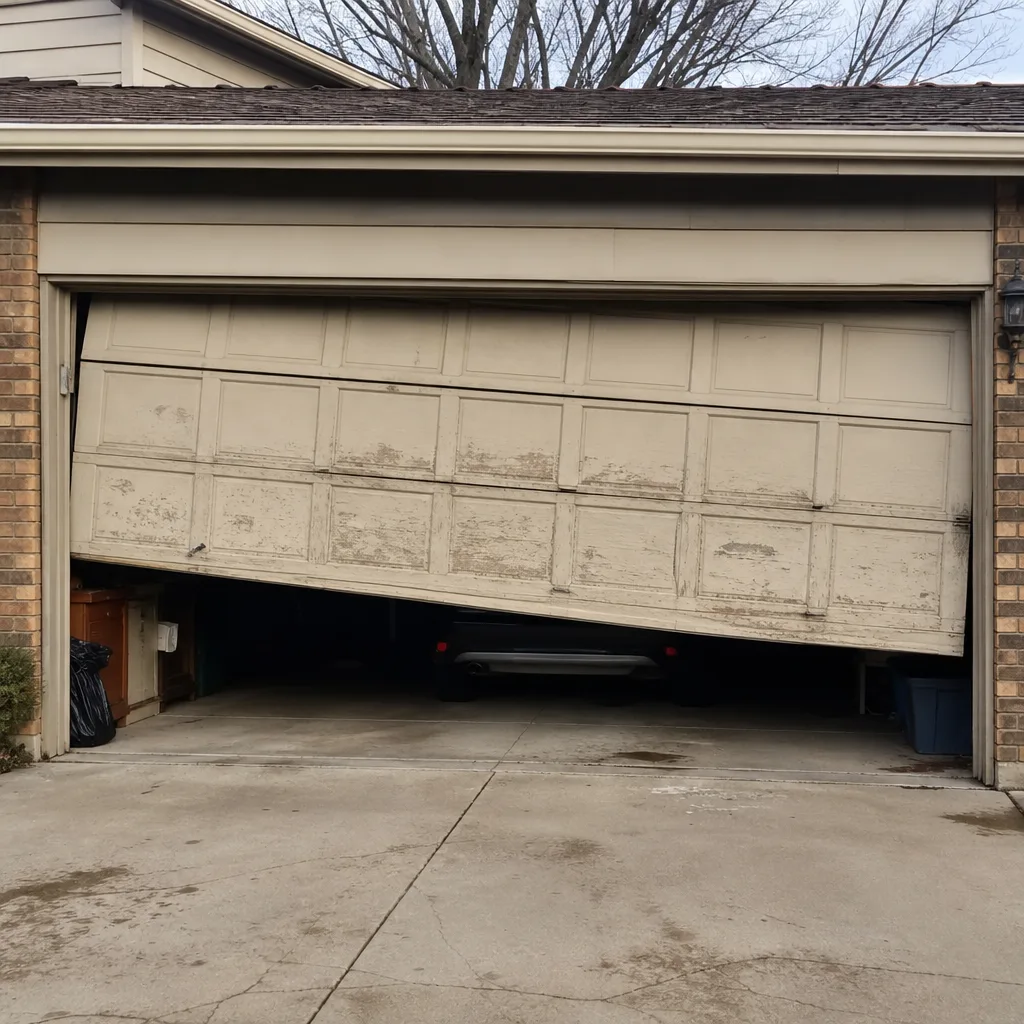 Before
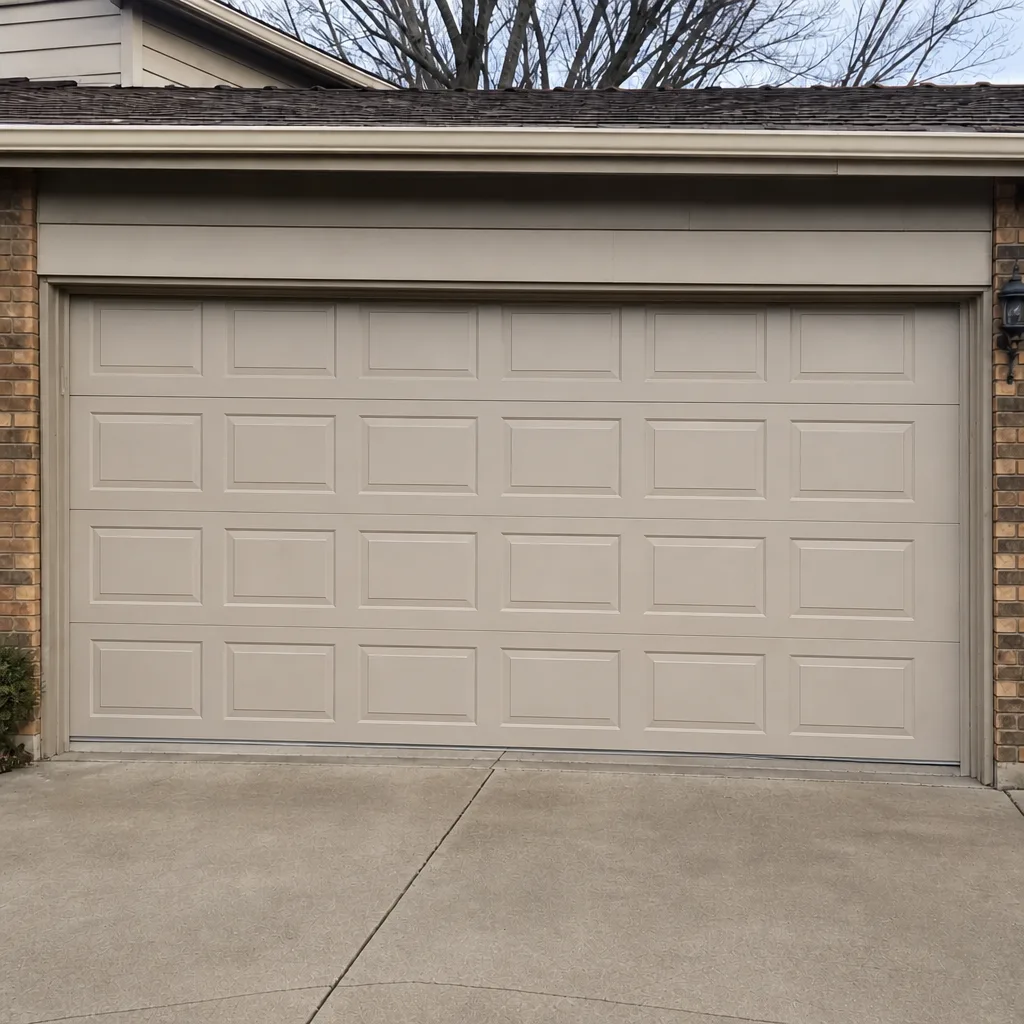 After
Common Mistakes to Avoid
- Buying the brand, not the line. Premium manufacturers sell entry-level doors too. The nameplate on the door doesn’t tell you the steel gauge; the spec sheet does. Always ask which line within the brand you’re being quoted.
- Skipping the hinge gauge question. A door with great panels and cheap hinges sags out of square within a few years. Ask for the hinge gauge and don’t accept “standard hardware” as an answer.
- Choosing polystyrene to save money on a sun-facing door. On a west-facing Green Valley Ranch door, the cheaper core costs you more over the door’s life in heat gain, warping, and finish wear.
- Letting a single-brand dealer pick the door. If you only get quotes from dealers who carry one manufacturer, you’re comparing one brand to itself. Get at least one brand-agnostic quote.
- Ignoring the opener when buying a door. A new heavy insulated door on an old undersized opener strains both. Size the opener to the door, not the other way around.
- Overlooking parts support for the model. A great door from a discontinued line is a future headache. Confirm the model is current and supported.
- Assuming brand loyalty equals value. The best door for your Green Valley Ranch home isn’t necessarily the most advertised brand; it’s the one whose specs match your exposure and budget.
When to Call a Professional
Some decisions are worth a professional set of eyes. If you’re choosing between a repair and a replacement, a technician can tell you whether your current door has life left in it or whether the specs are the real problem. If you’re unsure whether your existing opener is compatible with a door you’re considering, or whether your Green Valley Ranch exposure calls for a higher wind rating, that’s a five-minute conversation with someone who services all the major brands. Spring work in particular is dangerous and should always be handled by a trained professional; we offer garage door repair for the full range of door and opener problems. Garage Door Repair Green Valley Ranch offers free estimates in Green Valley Ranch. Call (855) 337-1312 for an exact quote.
Frequently Asked Questions
There isn’t one best brand; there’s a best spec for your home. For most Green Valley Ranch buyers, a mid-tier insulated door from Amarr or Clopay that meets 25-gauge steel, polyurethane insulation, and 14-gauge hinges will outperform a poorly-spec’d premium door from any manufacturer. Focus on the five specs, then pick the brand whose line clears them at your budget. Call (855) 337-1312 for a free estimate.
Only if the premium line actually specs better hardware and insulation. Many premium nameplates sell entry-level doors with 27-gauge steel and polystyrene cores that a well-spec’d mid-tier door will outlast. Compare the steel gauge, insulation type, and hinge gauge line by line before you pay for a name. A brand-agnostic installer can tell you which premium is real and which is marketing. Call (855) 337-1312 to talk through the comparison.
No. Opener and door brands don’t need to match, but they do need to be sized for each other. The real compatibility question is whether the opener’s horsepower and drive type match the door’s weight and balance. Clopay and Amarr doors pair cleanly with LiftMaster and Chamberlain openers, and Wayne Dalton doors work well with Genie. The trouble spot is an undersized opener on a heavy door, regardless of brand. Call (855) 337-1312 to check your pairing.
A properly spec’d insulated steel door should last well over a decade in the Green Valley Ranch climate, but a poorly spec’d one can fail at the seams and finish in under ten years. The difference is the steel gauge, the insulation type, the hinge gauge, and the finish warranty. Sun exposure and temperature swing here accelerate wear on any door, so the specs matter more than they would in a milder climate. Call (855) 337-1312 for an honest assessment of your door’s condition.
Because that’s the only brand they can install and support. A dealer tied to one manufacturer gives recommendations shaped by what’s on the truck, not by what fits your garage. That’s a structural limit, not a character flaw. Getting at least one quote from a multi-brand installer gives you a comparison that a single-brand dealer can’t provide. Call (855) 337-1312 for a brand-agnostic estimate.
Ask whether the model is current and supported, how common it is locally in the Denver metro, and how easy replacement panels and hardware are to source. Springs and most hardware are standard sizes across brands, but door panels and proprietary parts depend on manufacturer support. A door that’s hard to get parts for is a liability no matter how well it was built. Call (855) 337-1312 to ask about parts for the model you’re considering.
The Bottom Line
Brand choice for a garage door matters less than configuration choice. The door that lasts in Green Valley Ranch is the one with 25-gauge or thicker steel, a polyurethane core, 14-gauge hinges, a quality bottom seal, and a finish warranty built for real sun. Amarr and Clopay both have lines that clear those thresholds, Wayne Dalton and Craftsman have solid options with the right hardware upgrades, and the right brand for you is the one whose specced line fits your exposure and budget. Get a brand-agnostic quote, ask for the five specs in writing, and let the numbers pick the door.
Garage Door Repair Green Valley Ranch works on the brand you already have, from a broken spring to a full installation, across eight recognized brands. Call (855) 337-1312 for a free estimate. We answer 24/7. Fast dispatch from 7am to 7pm, Sunday through Friday.
Written by the team at Garage Door Repair Green Valley Ranch.