
Last updated November 22, 2026
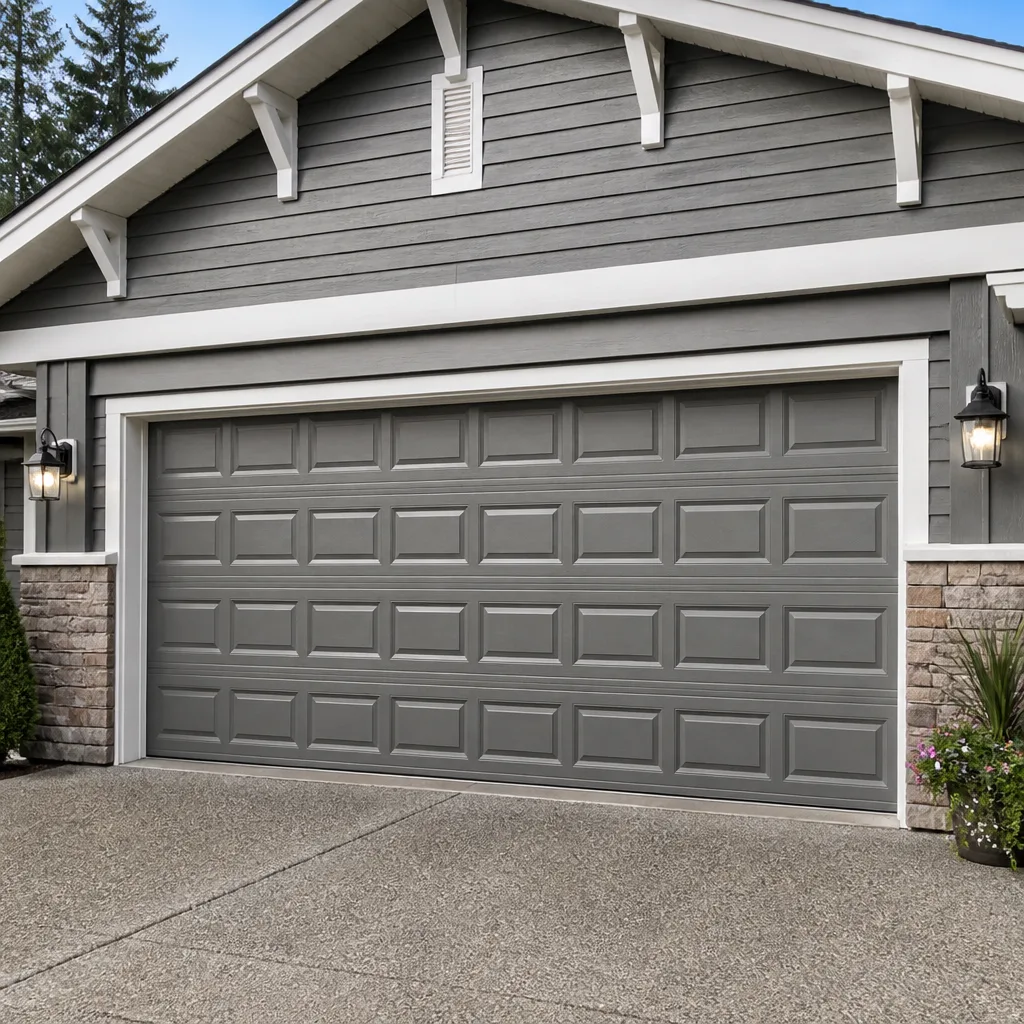 Raised-panel steel
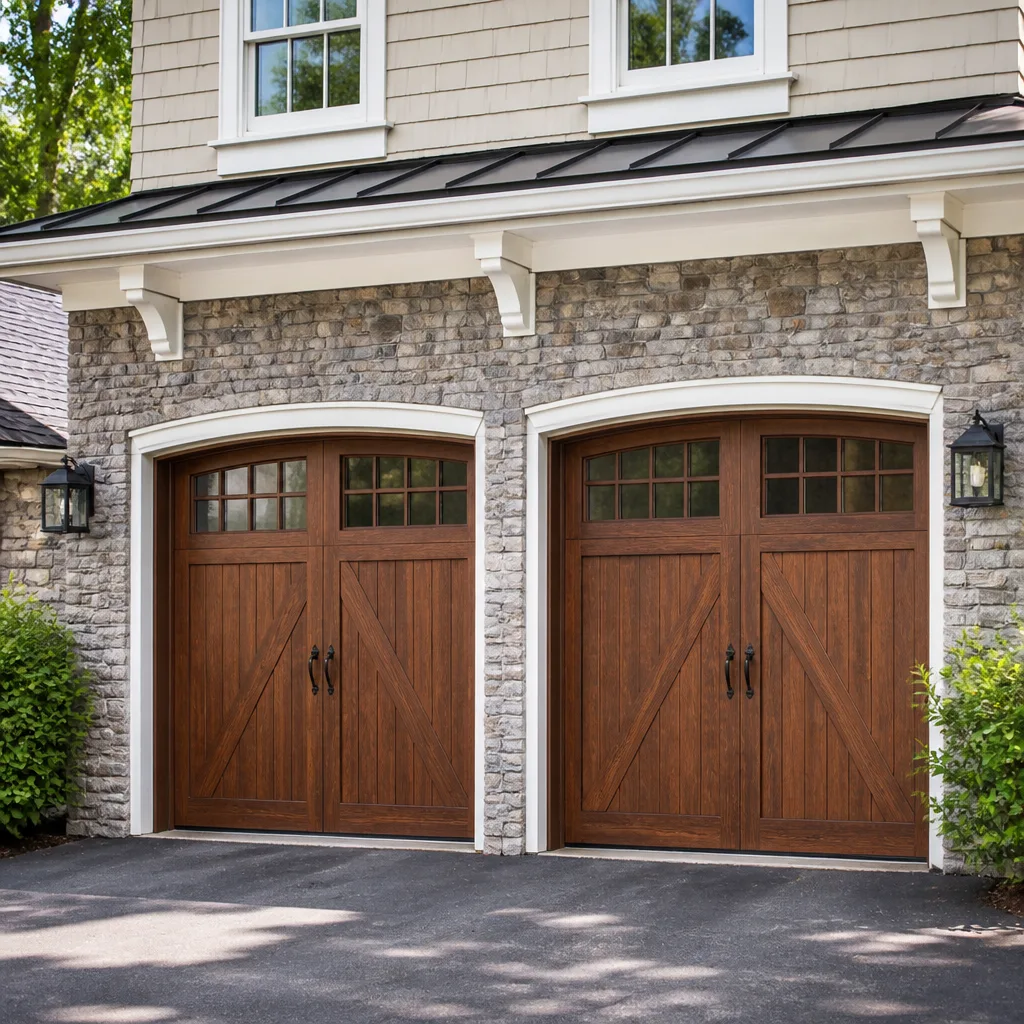 Carriage house
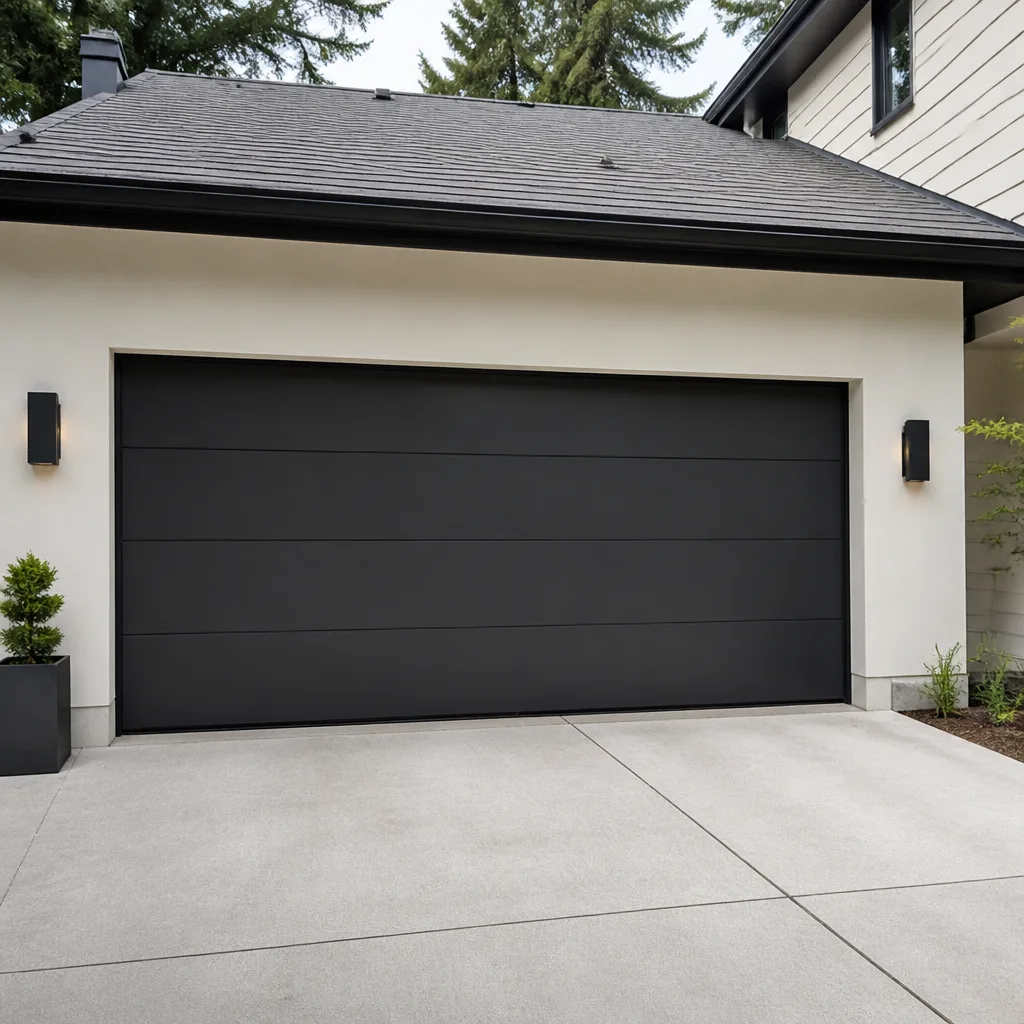 Modern flush
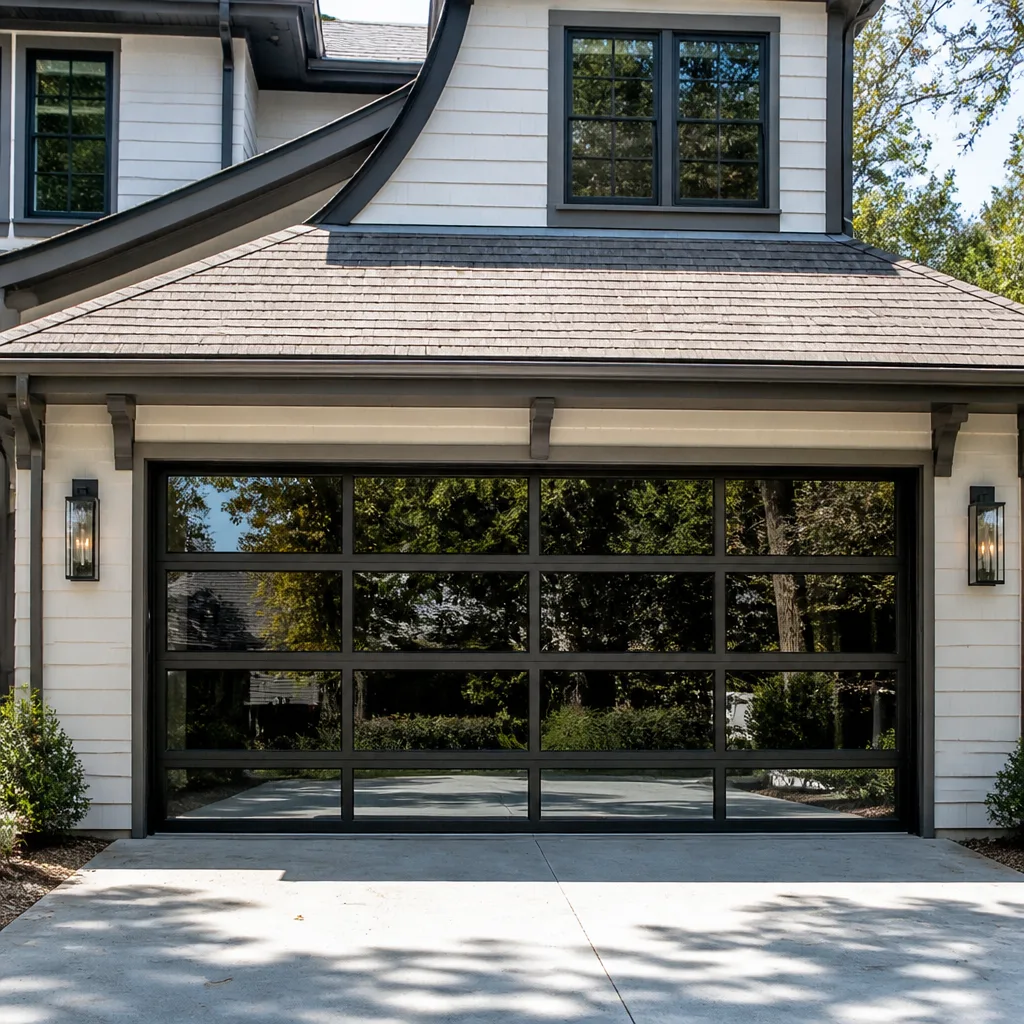 Full-view glass
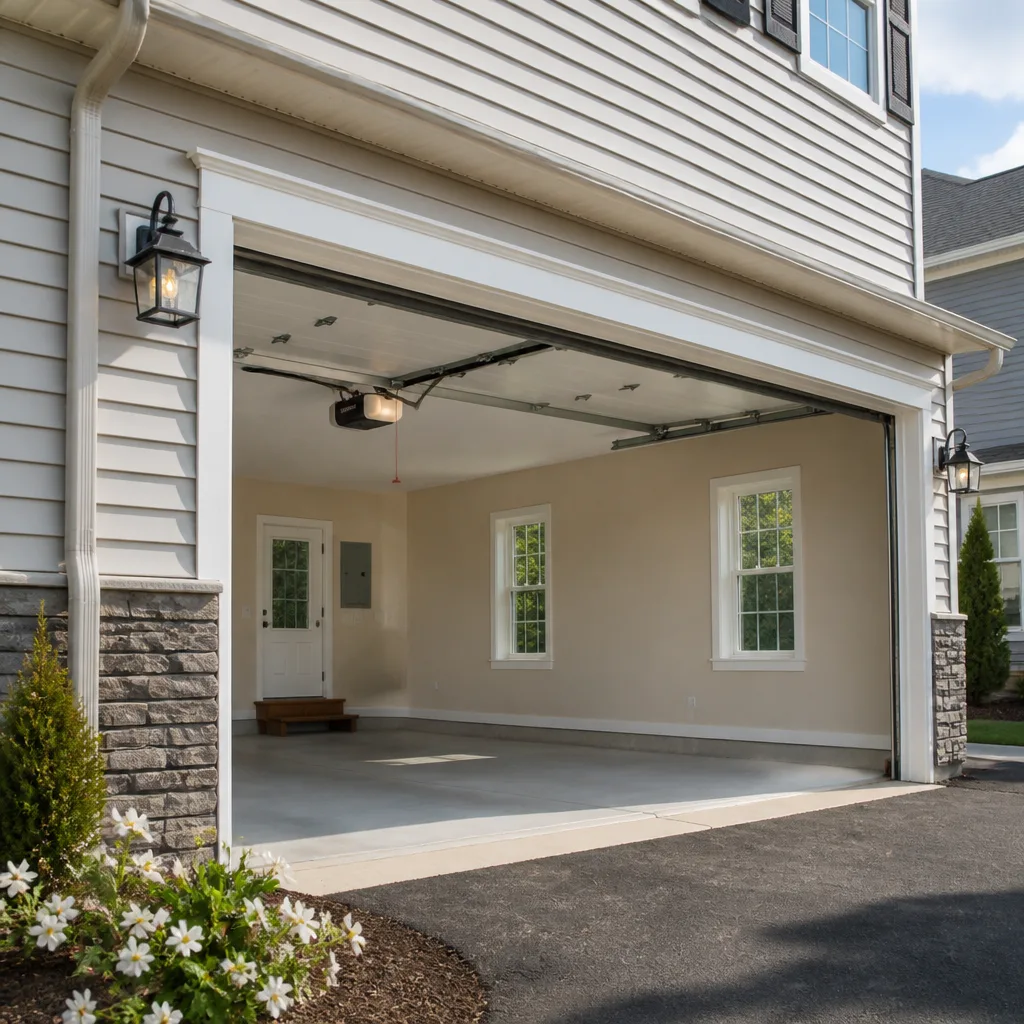 LiftMaster openers
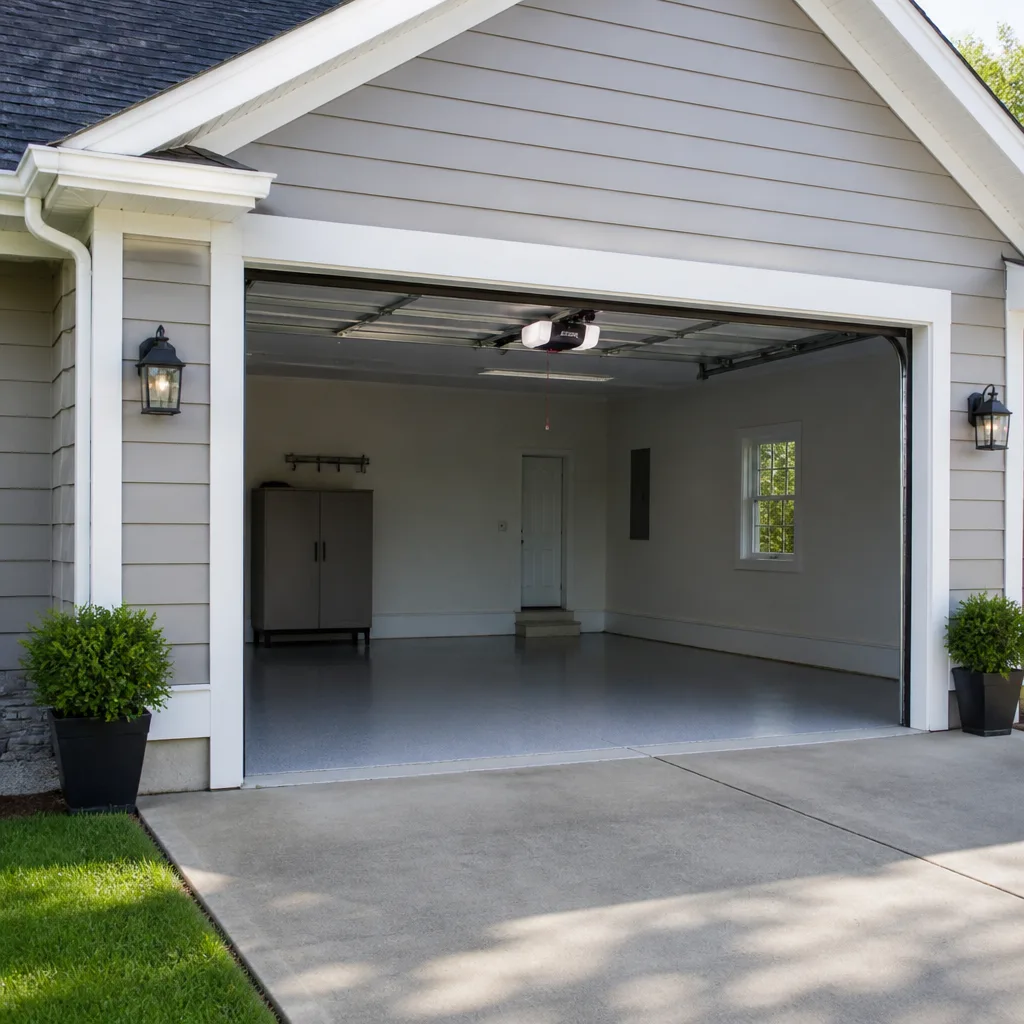 Chamberlain openers
Full 25-point door and opener safety check with every visit - springs, cables, rollers, tracks, and your LiftMaster or Chamberlain opener included
You get a price before we start. It does not change when the pro arrives.
Get your free estimateGarage Door Cost Breakdown: The Green Valley Ranch Homeowner’s Reference for 2026
The quote that comes in lowest is often the one that grows the most once a technician is standing in your driveway. A number that looks like a bargain on the phone can end up including parts you didn’t agree to, labor you didn’t authorize, and a pressure to sign before anyone lifts a wrench. The way out isn’t to distrust every quote. It’s to know what each component actually costs before you call, so the conversation stays on your terms. This guide breaks down 2026 garage door pricing component by component, with the drivers specific to Green Valley Ranch and the wider Denver metro, so you can read a quote line by line and spot the gaps.
Quick Answer
Garage door repair in Green Valley Ranch typically runs $180 to $340 for a single torsion spring, $150 to $260 for an opener repair, and $95 to $220 for cable, roller, or track work, while a full door replacement usually lands between $1,100 and $2,800 depending on material and size. A matched pair of springs costs about twice the single-spring range. Labor in the Denver metro runs higher than national averages because of local wage rates, and any written estimate should itemize parts, labor, and haul-away before you agree to anything.
Styles & brands we work with
- Raised-panel steel
- Carriage house
- Modern flush
- Full-view glass
- LiftMaster openers
- Chamberlain openers
Table of Contents
- What Does Each Garage Door Component Cost in Green Valley Ranch in 2026?
- Torsion Springs vs. Extension Springs: What’s the Real Price Difference?
- Why Denver Metro Labor Rates Are What They Are
- When Does Panel Replacement Beat a Full Door Replacement?
- Multi-Brand Shops vs. Single-Brand Dealers: How Markup Shows Up
- The Hidden Cost Categories Most Quotes Leave Out
- How Green Valley Ranch Climate and 2026 Parts Lead Times Affect Your Price
- How to Read a Garage Door Quote Before You Sign
What Does Each Garage Door Component Cost in Green Valley Ranch in 2026?
Component-level pricing is the single most useful thing to carry into a quote conversation. When you know that a single torsion spring sits in a specific range and a set of nylon rollers sits far below it, you can immediately tell whether a technician is pricing fairly or bundling in work you didn’t request. The ranges below reflect typical 2026 pricing in the Green Valley Ranch and greater Denver market, including labor and standard parts.
| Component | Typical Range (installed) | What Drives the Price |
|---|---|---|
| Single torsion spring | $180 – $340 | Cycle rating, wire gauge, whether it’s a matched pair |
| Extension spring (per side) | $90 – $180 | Door weight, safety cable inclusion |
| Lift cables (pair) | $95 – $200 | Fraying severity, drum wear, track condition |
| Rollers (set of 10 – 12) | $80 – $180 | Nylon vs. steel, sealed bearing quality |
| Hinges (set) | $60 – $140 | Number of panels, gauge of steel |
| Bottom seal / weatherstripping | $70 – $160 | Length, material, threshold condition |
| Single panel (steel, standard) | $180 – $420 | Panel profile, insulation, color match |
| Opener repair (board, gear, motor) | $150 – $260 | Brand, board availability, age of unit |
| Full opener replacement (installed) | $380 – $850 | Belt vs. chain, smart features, horsepower |
| Full door replacement (installed) | $1,100 – $2,800 | Material, size, insulation, opener inclusion |
These are estimates, not fixed prices. The written quote you receive after an on-site look is the price you pay, and it should be agreed before any work begins. The spread between budget and premium within each line usually comes down to part quality and warranty coverage. A $90 extension spring and a $180 extension spring may look identical on the invoice, but the cycle rating and the safety cable specification are what separate them.
If a technician quotes you a single number for the whole job without breaking it down, ask for the itemization. That request separates the shops that stand behind their pricing from the ones hoping you won’t look. In our experience working across Green Valley Ranch, the itemized quotes are almost always the ones that stay close to the final invoice.
Torsion Springs vs. Extension Springs: What’s the Real Price Difference?
Torsion springs cost more per unit than extension springs, typically $180 to $340 for a single torsion spring installed versus $90 to $180 per side for extension springs. Torsion systems mount above the door on a shaft; extension systems run along the horizontal tracks on each side. Most newer Green Valley Ranch homes use torsion, but plenty of older builds in the surrounding neighborhoods still run extension springs, and the price difference matters when you’re comparing quotes.
A torsion system uses one or two springs on a single shaft. When both fail, they’re almost always replaced as a matched pair, so budget about twice the single-spring range for the pair. Extension springs are per side, so a full set is two springs plus safety cables.
Here’s the part that typically gets glossed over: spring repair is the most mechanically dangerous work on any garage door. A torsion spring under load stores enough energy to cause serious injury if it releases unexpectedly. We don’t walk homeowners through a DIY spring replacement, and no responsible technician should. If a spring has snapped, the safe move is to leave the door down and call a trained professional. Our spring repair service exists as a standalone specialty for exactly this reason.
What justifies the upper end of the spring range? Cycle rating, mostly. A standard spring might be rated for a certain number of open-close cycles; a high-cycle spring is rated for substantially more. Green Valley Ranch homeowners who use their garage door as the main entry point put more cycles on the springs than people who park outside and use the front door. If you’re in that group, the higher-cycle option usually pays for itself in fewer replacements over time. Ask the technician to quote both so you can see the difference in writing. When you’re ready to schedule, you can reach us through garage door repair and we’ll price the spring against your specific door.
Why Denver Metro Labor Rates Are What They Are
Labor in the Denver metro runs above the national average, and that’s not padding – it reflects what skilled trades cost to employ here. A technician charging well below the local average is usually cutting corners somewhere, whether on part quality, warranty coverage, or the number of jobs crammed into a day. The hourly rate on your invoice is one signal; the part specification is the other, and the second one matters more.
When you compare quotes, look at what the labor line actually includes:
- Diagnosis and adjustment: A proper job includes balancing the door, checking track alignment, and testing the safety reverse. If labor is quoted as a flat fee with no mention of adjustment, ask what’s included.
- Part sourcing time: Shops that stock parts can complete the job in one visit. Shops that order parts may bill you for a second trip or leave the door non-functional in between.
- Warranty on labor: Labor warranties vary widely. Ask how long the work itself is covered, not just the part.
- Cleanup and haul-away: Old springs, cables, and panels have to go somewhere. If haul-away isn’t on the quote, it may appear on the invoice.
Our technicians have up to 15 years of experience, and that experience is what lets us diagnose the actual system in front of us rather than guessing from a phone description. We work on the brand you already have – LiftMaster, Chamberlain, Genie, Clopay, Amarr, Wayne Dalton, Craftsman, and Raynor – so the recommendation follows your hardware and budget, not a product line we’re trying to move. If you want a second opinion on a quote, garage door opener repair is a good place to start because opener boards and gears are where inflated pricing shows up most often.
When Does Panel Replacement Beat a Full Door Replacement?
Panel replacement beats a full door replacement when damage is confined to one or two panels and the door’s structure, tracks, and springs are otherwise sound. Once you’re looking at three or more damaged panels, or damage that has affected the door’s structural integrity, full replacement usually costs less than repairing piece by piece.
Here’s the rough crossover math. A single standard steel panel installed runs $180 to $420. Three panels at the middle of that range puts you near $900, and you’re still working with an older door whose springs, rollers, and hinges may be near end of life. A full door replacement starts around $1,100 installed. The gap narrows fast, and once it closes, replacement gives you a new door, new hardware, and a clean starting point.
- Count the damaged panels. One or two: repair usually wins. Three or more: get a replacement quote before you commit to repair.
- Check the door’s age and hardware. A door with original springs and rollers is going to need those replaced soon regardless. Factor that into the comparison.
- Look at color and profile matching. Older doors may not have a current panel profile that matches. If the panel has to be custom-ordered, the labor and lead time can push repair past replacement.
- Confirm structural damage. Bent tracks, a warped frame, or a sagging header change the calculus. Those are structural issues, and a technician should tell you plainly when repair won’t hold.
- Get both quotes in writing. Ask for a panel-repair estimate and a full-replacement estimate side by side. A shop confident in its work will provide both without pressure.
Green Valley Ranch has a lot of homes built within the same general era, which means panel profiles are often still available. That’s good news for repair. Our garage door installation team can price a full replacement against a panel repair on the same visit, so you’re comparing real numbers instead of guessing.
Multi-Brand Shops vs. Single-Brand Dealers: How Markup Shows Up
A single-brand dealer is financially motivated to recommend that brand’s replacement parts and full systems, even when your existing hardware only needs a repair. A multi-brand shop prices the part that fits what you already own, which usually means a lower total because you’re not replacing a system that still has years left in it.
Markup structures differ in ways that matter to your invoice:
- Single-brand dealers typically carry one parts catalog. If your door is a different brand, they either decline the repair or quote a full replacement. When they do repair, the parts markup tends to be higher because there’s no competing catalog to price against.
- Multi-brand shops stock across multiple manufacturers. That competition on the shelf keeps part pricing closer to cost-plus. It also means the technician can match the right part to your specific door rather than substituting a generic one.
- Itemization is where you’ll see the difference most clearly. A multi-brand quote will usually list the exact part number and brand; a single-brand quote may list only a system name.
We’re brand-agnostic by design. That means when we quote a repair on an Amarr or Wayne Dalton door, the recommendation is driven by what the door needs, not by which product line pays us more. When a door is a Craftsman or Raynor system, we’re working on the same principle. The right part for your specific door is the whole point.
One practical check: ask the technician which brands they’re certified to service. A shop that names a broad list is telling you it can diagnose your actual system. A shop that names only one is telling you something else. If you’re unsure what brand your door is, the label is usually on the inside of the panel or on the opener housing, and a quick look before the call saves time.
The Hidden Cost Categories Most Quotes Leave Out
The most common hidden costs on a garage door quote are disposal of the old door or parts, haul-away, permit fees when structural changes are involved, and parts-sourcing delays that turn a one-visit job into two. None of these are unreasonable charges on their own. The problem is when they appear on the invoice rather than the estimate, and that’s a conversation you can have before work starts.
Walk through this checklist when you review a quote:
- Disposal and haul-away. Old panels, springs, and openers don’t fit in a standard trash bin. Confirm whether removal is included or billed separately.
- Permit fees. Most structural changes to a garage opening require a permit. Ask your city’s building department whether your job needs one, and ask the contractor whether the permit cost is in the quote.
- Parts-sourcing delays. If the shop has to order a part, ask who covers the second trip. Shops that stock parts directly avoid this category entirely.
- Track and frame repair. A quote for panels may not include track realignment. If the door was hit, the tracks are usually affected too.
- Opener compatibility. A new door with an older opener may need a new opener or a safety-sensor upgrade. Ask whether the quote assumes the existing opener works.
- Painting or finishing. Some door materials ship unfinished. If the quote doesn’t say, ask.
We stock and supply garage door parts directly, which cuts the wait between diagnosis and fix that plagues shops outsourcing their parts. That doesn’t make the job free, but it does keep the quote close to the invoice. The price is quoted and agreed before any work starts, and that’s the part worth insisting on with any contractor you hire in Green Valley Ranch.
How Green Valley Ranch Climate and 2026 Parts Lead Times Affect Your Price
Green Valley Ranch sits on the high plains east of Denver, and the climate here works garage doors harder than most homeowners realize. Wide daily temperature swings, intense summer sun on south-facing doors, and cold winter mornings all stress the moving parts. Springs cycle through expansion and contraction; seals dry and crack; steel panels fade unevenly if the finish is thin. That’s not a scare tactic, it’s a maintenance reality, and it shows up in how often parts need replacing.
The practical effect on pricing is twofold. First, doors on sun-exposed sides of a Green Valley Ranch home often need seals and rollers sooner than shaded doors. Second, doors that face the prevailing wind get more dust and grit in the tracks, which wears rollers faster. When a technician quotes a roller or seal replacement alongside a spring repair, that’s often a real condition of the door rather than an upsell.
Parts lead times in 2026 are more stable than they were a few years ago, but specialty panels and non-standard opener boards can still take time to source. Shops that stock parts locally can complete most repairs in one visit; shops that order per job may need a return trip. When you get a quote, ask directly whether the parts are in stock.
The broader market context matters too. Green Valley Ranch is a large, actively maintained neighborhood, and the density of homes here means local shops know the common door models and can price against them quickly. That’s one reason quotes in this area tend to be more consistent than in rural markets where every job is a one-off.
How to Read a Garage Door Quote Before You Sign
A well-written garage door quote answers four questions on its face: what’s broken, what part replaces it, what the total cost is, and what happens if something else is discovered mid-job. If any of those four is missing, ask before you agree to the work.
- Confirm the diagnosis. The quote should name the failing component and why it failed. “Door won’t open” is not a diagnosis.
- Check the part specification. Brand, model, and cycle rating for springs; belt or chain for openers; gauge and profile for panels.
- Read the labor line. Confirm it includes adjustment, testing, and cleanup.
- Look for the disposal line. Old parts have to leave. If it’s not listed, ask whether it’s included.
- Ask about mid-job discoveries. A technician may find a worn cable while replacing a spring. The quote should say how additional work gets priced and approved.
- Confirm the written price is the final price. The estimate you sign off on is the number you pay, absent anything you approve in writing mid-job.
We answer 24/7 and can talk through a quote with you before you commit. Fast dispatch from 7am to 7pm, Sunday through Friday. If you’re comparing multiple quotes and want a plain read on what each one actually covers, that’s a conversation worth having.
Common Mistakes to Avoid
- Accepting a phone quote as the final price. A number given before anyone has looked at the door is a rough guess. The written estimate after an on-site look is the real figure, and you should insist on seeing it before work begins.
- Choosing the lowest bid without checking the part spec. A cheap quote that specifies a low-cycle spring or off-brand opener will cost more over time. Ask what part is going in, not just how much it costs.
- Replacing a whole door when one panel is damaged. If damage is confined to one or two panels and the structure is sound, panel replacement is usually the lower total. Get both quotes before deciding.
- Overlooking haul-away and disposal. These are real costs that sometimes appear on the invoice rather than the estimate. In Green Valley Ranch, where driveways are often short and curbside pickup isn’t an option for old panels, this catches people off guard.
- Skipping the permit question on structural work. Most structural changes require a permit. Ask your city’s building department whether your project needs one, and confirm the contractor will pull it.
- Attempting a spring replacement yourself. Springs are under extreme tension and can cause serious injury. This is not a DIY repair, and no responsible technician will walk you through it on the phone.
- Assuming a low labor rate means a good deal. A technician charging well below the Denver metro average is usually cutting corners on parts or warranty. Ask about both before you hire.
See the difference
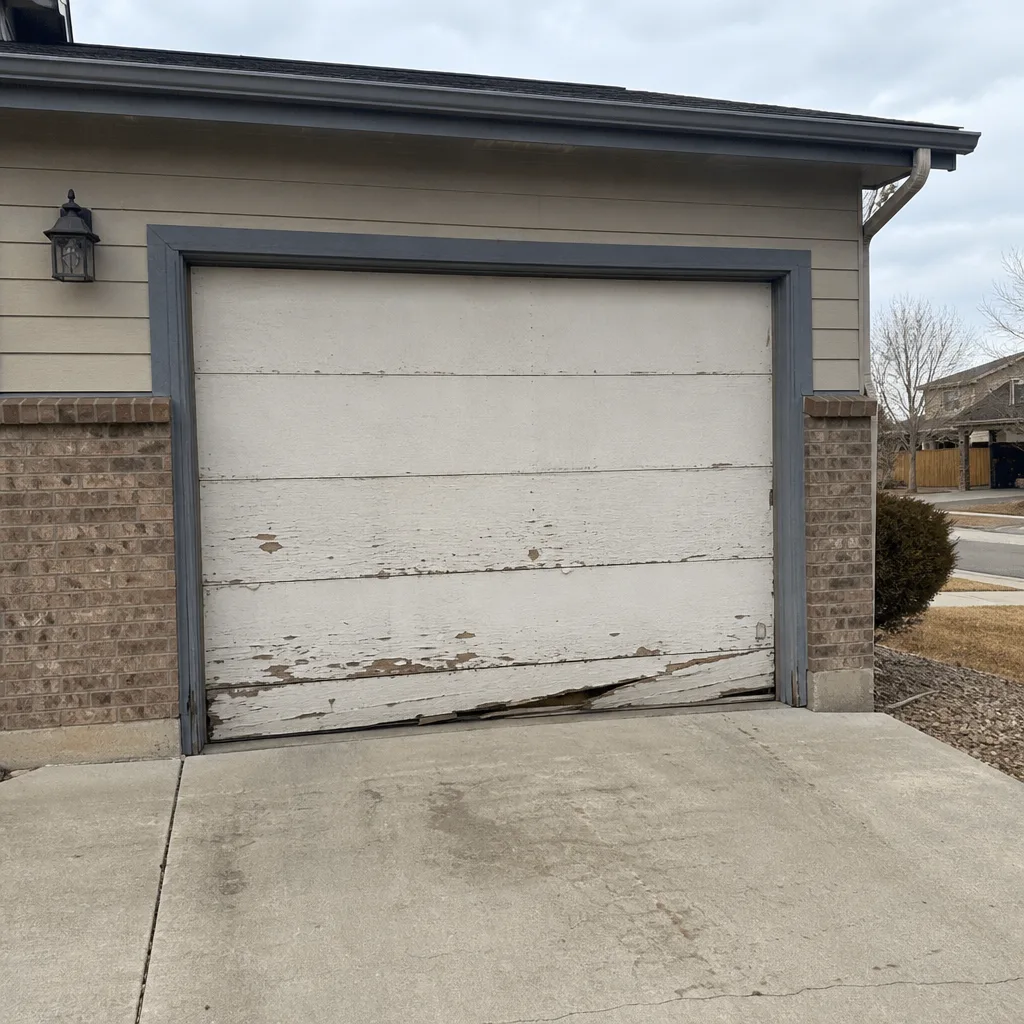 Before
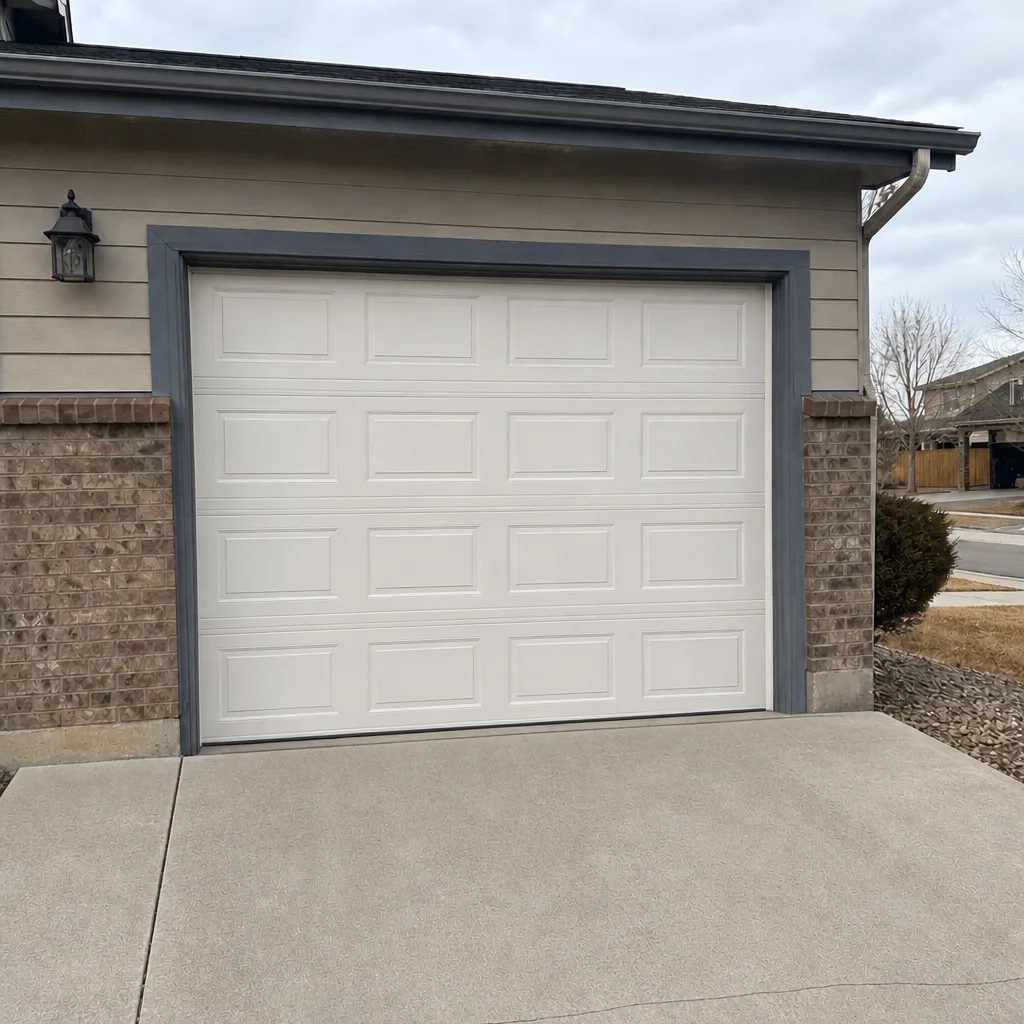 After
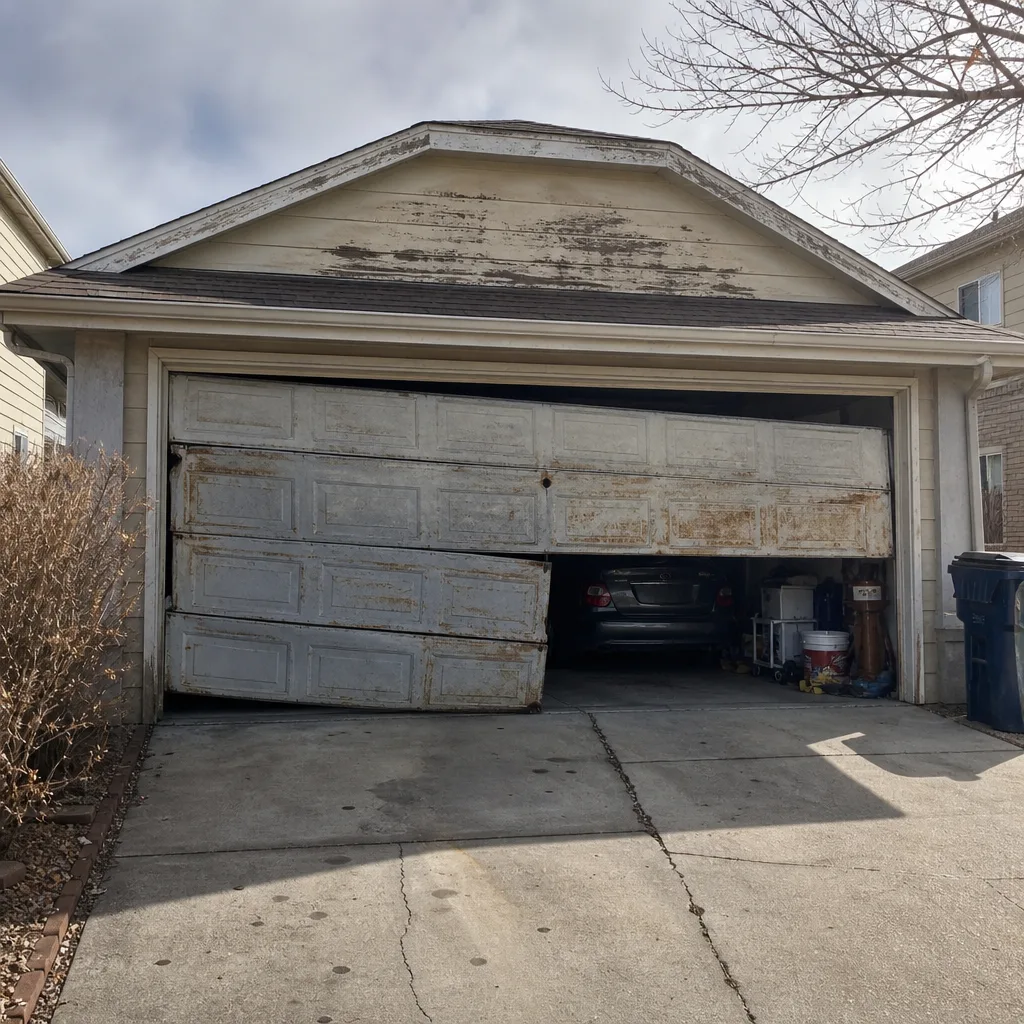 Before
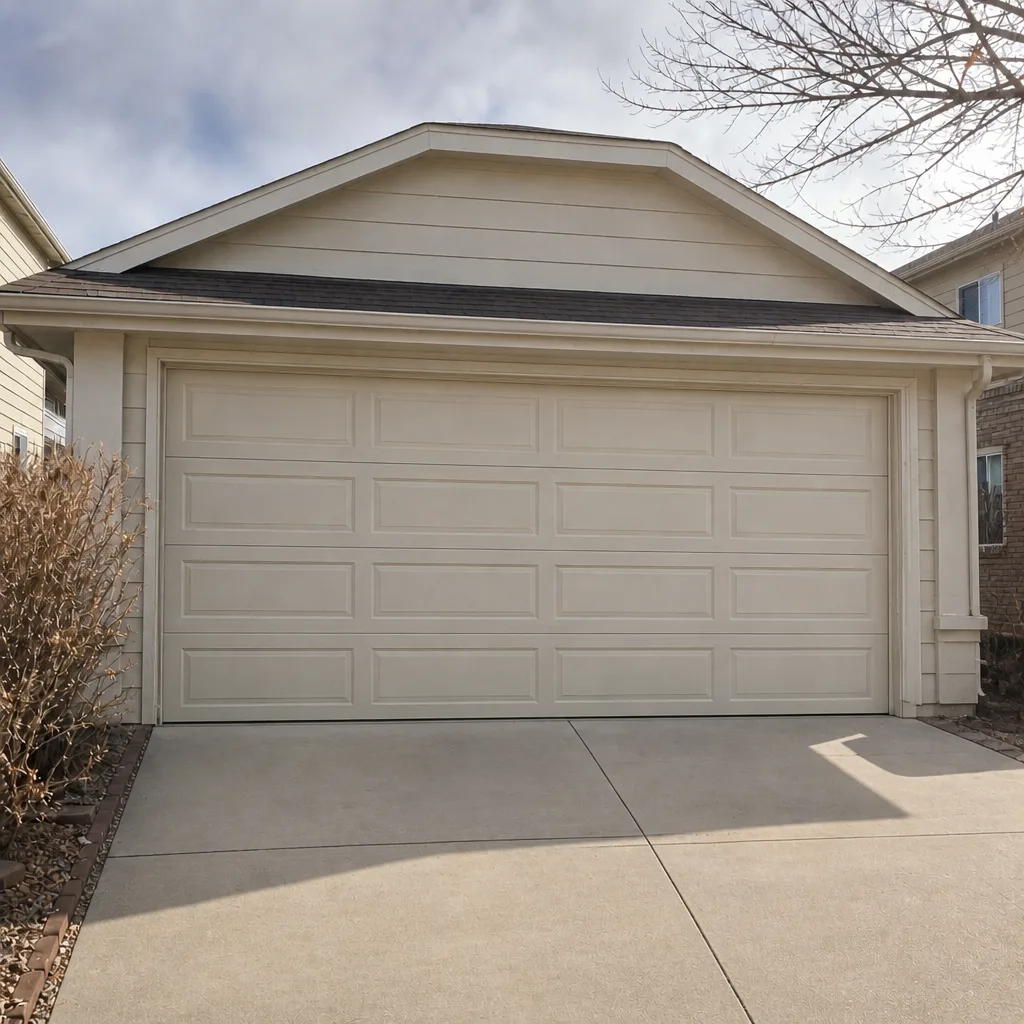 After
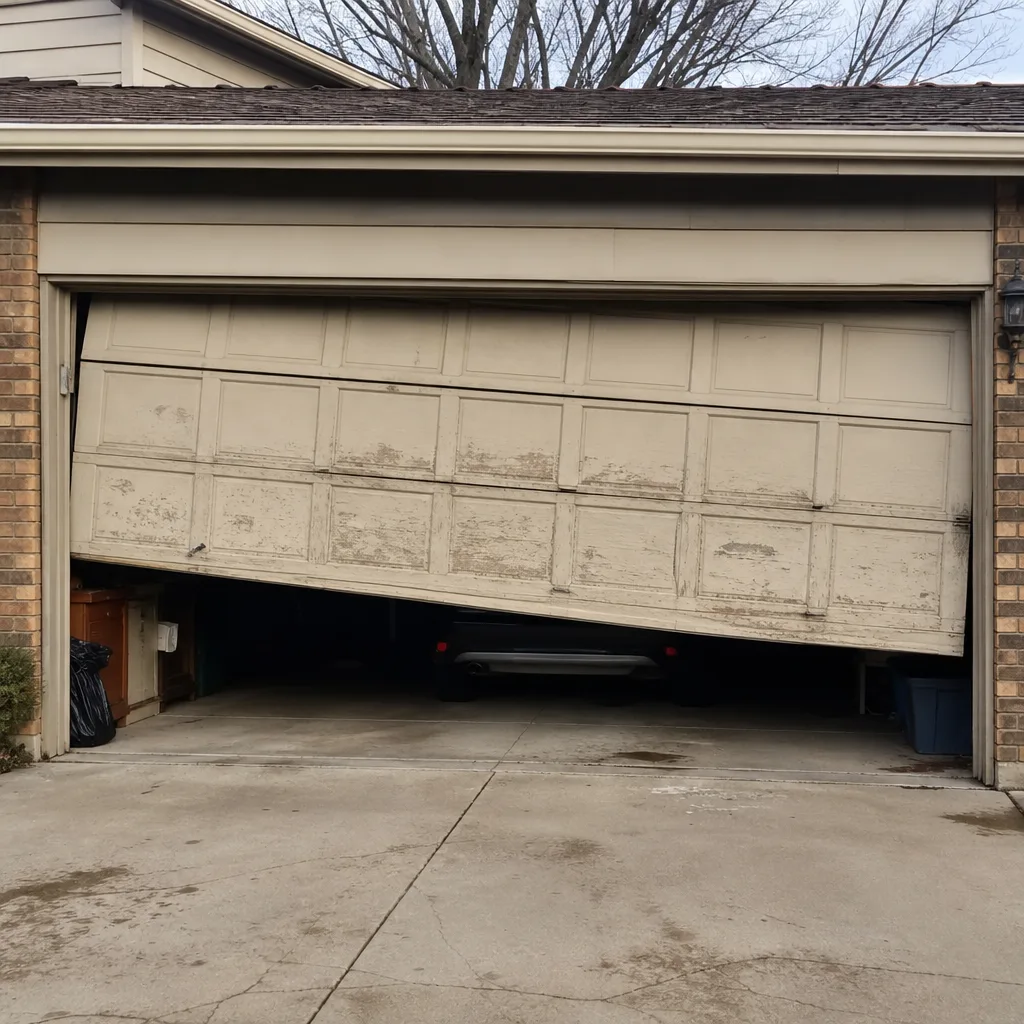 Before
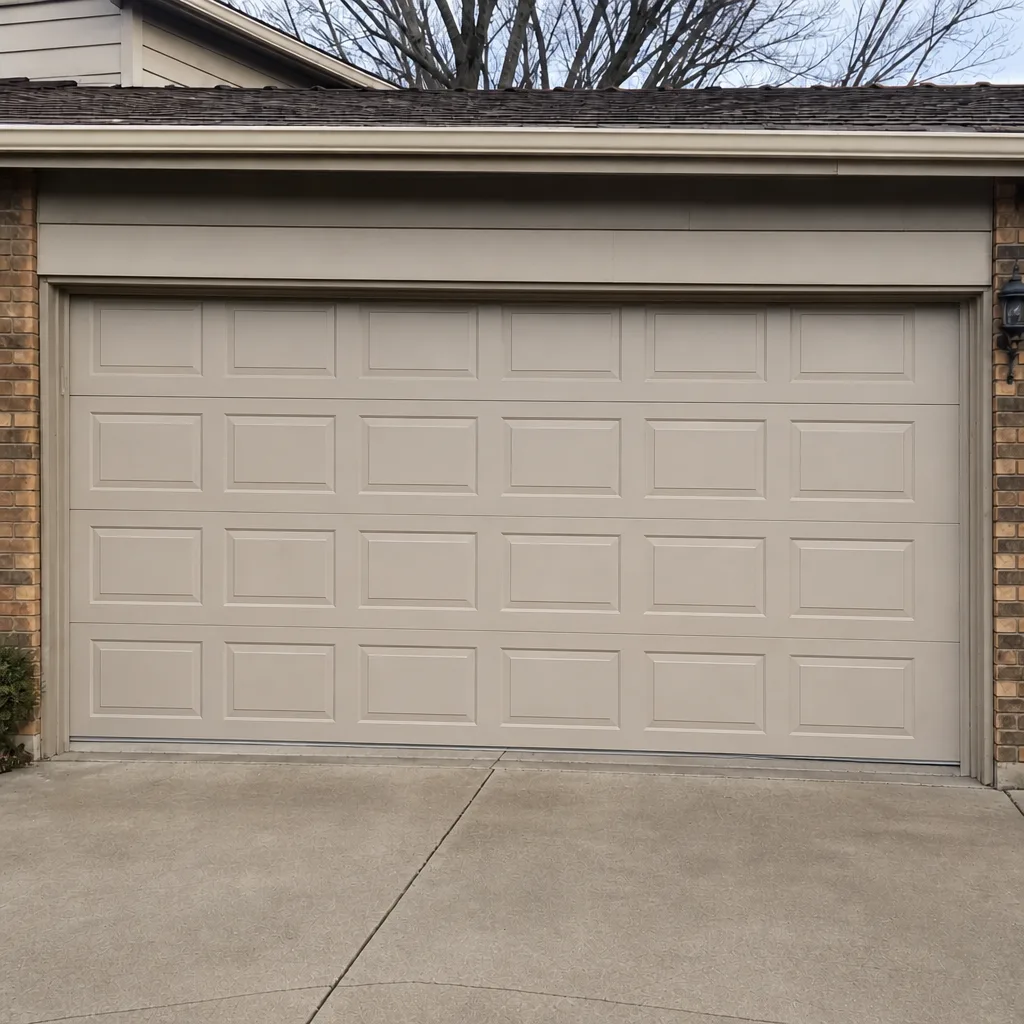 After
When to Call a Professional
Call a professional when a spring has snapped, when the door won’t open or close fully, when the opener runs but the door doesn’t move, or when you hear a loud bang from the garage. Springs, cables, and opener boards are the three areas where DIY work is either dangerous or likely to cause more damage than it saves. If your door is sagging on one side, off its track, or reversing without warning, that’s also a professional call – those symptoms point to problems that get worse with use.
Garage Door Repair Green Valley Ranch offers free estimates in Green Valley Ranch – call (855) 337-1312. We answer 24/7. Fast dispatch from 7am to 7pm, Sunday through Friday. Whether it’s a broken spring, an opener that won’t respond, or a full door replacement you’re weighing, we can put the estimate in writing and talk through the options on the same call. For a look at how we handle the full service arc, our Garage Door Repair Green Valley Ranch page covers the range of work we take on.
Frequently Asked Questions
Garage door repair in Green Valley Ranch typically runs $180 to $340 for a single torsion spring, $150 to $260 for opener repair, and $95 to $220 for cable, roller, or track work. The written estimate you receive after an on-site look is the price you pay. Call (855) 337-1312 for an exact quote; estimates are free.
A matched pair costs about twice the single-spring range because you’re replacing both springs, not one. Springs on the same door wear at the same rate, so replacing one against a worn partner usually leads to a second failure soon after. Expect roughly $360 to $680 for a matched pair installed. Call (855) 337-1312 for an exact quote.
The local professional we connect you with is licensed and insured as their state requires. Our technicians have up to 15 years of experience and are certified to work on LiftMaster, Chamberlain, Genie, Clopay, Amarr, Wayne Dalton, Craftsman, and Raynor systems. Call (855) 337-1312 for a free estimate.
The written quote you agree to before work begins is the price you pay, absent anything you approve in writing mid-job. If a technician discovers a worn cable or a bent track during the repair, you’ll be told the cost and asked to approve it before any additional work starts. Call (855) 337-1312 to schedule an estimate.
Repair is usually cheaper when damage is limited to one or two panels or a single component. Once three or more panels are damaged, or the door’s structure is affected, full replacement is typically the lower total. A full replacement in Green Valley Ranch runs $1,100 to $2,800 installed, depending on material and size. Call (855) 337-1312 to price both options side by side.
Same-day service is often available for repair calls, and we answer 24/7. Fast dispatch from 7am to 7pm, Sunday through Friday. If a spring has snapped or the door is off its track, call (855) 337-1312 and we’ll get a technician scheduled as quickly as possible.
The Bottom Line
Garage door pricing in Green Valley Ranch in 2026 comes down to knowing what each component should cost and insisting on a written quote before work starts. Springs run $180 to $340 singly, about twice that as a matched pair. Opener repair lands around $150 to $260. Panel repairs stay in the low hundreds, while full replacement ranges from $1,100 to $2,800. The hidden costs – disposal, permits, second trips – are the ones to check for. A multi-brand shop prices parts against your actual door, which is where the quote stays honest. Get the estimate in writing, confirm the part spec, and call (855) 337-1312 when you’re ready. We answer 24/7. Fast dispatch from 7am to 7pm, Sunday through Friday.
Written by the team at Garage Door Repair Green Valley Ranch.