
Last updated November 22, 2026
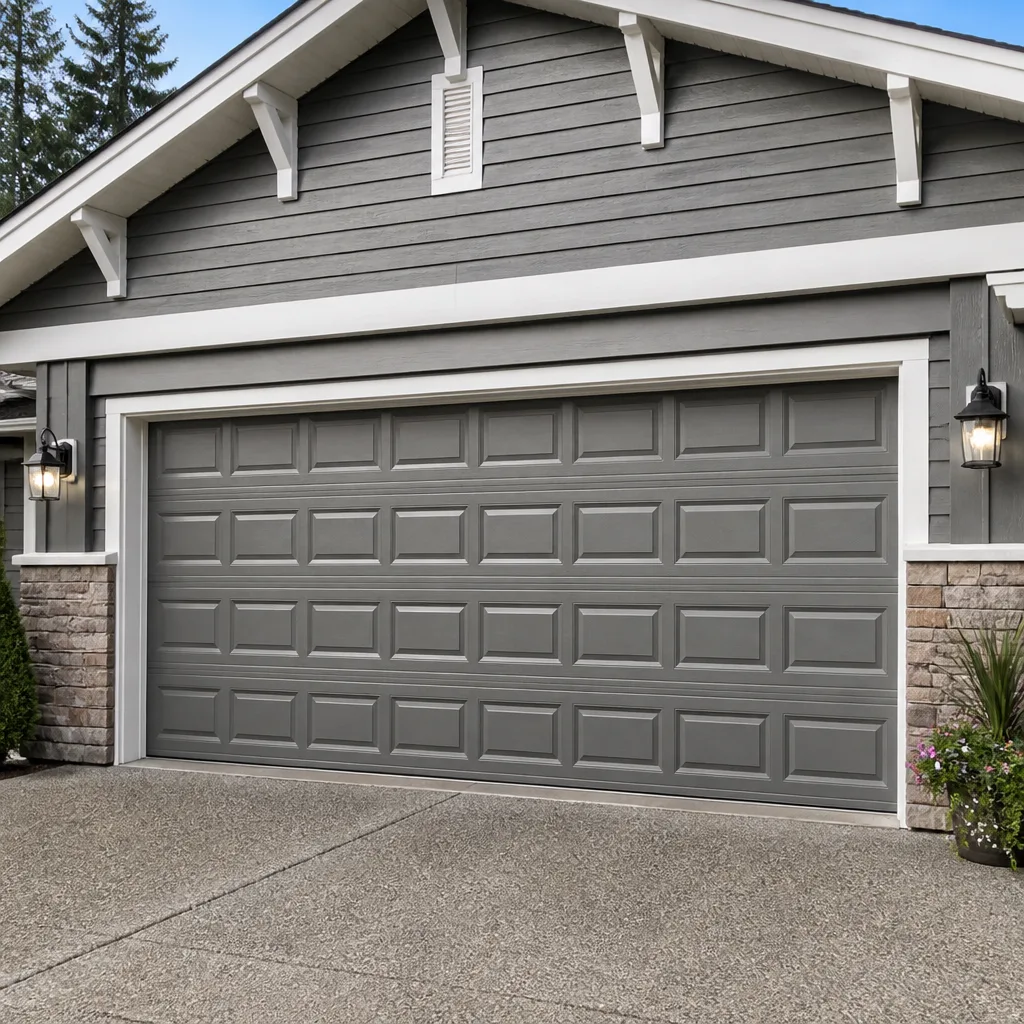 Raised-panel steel
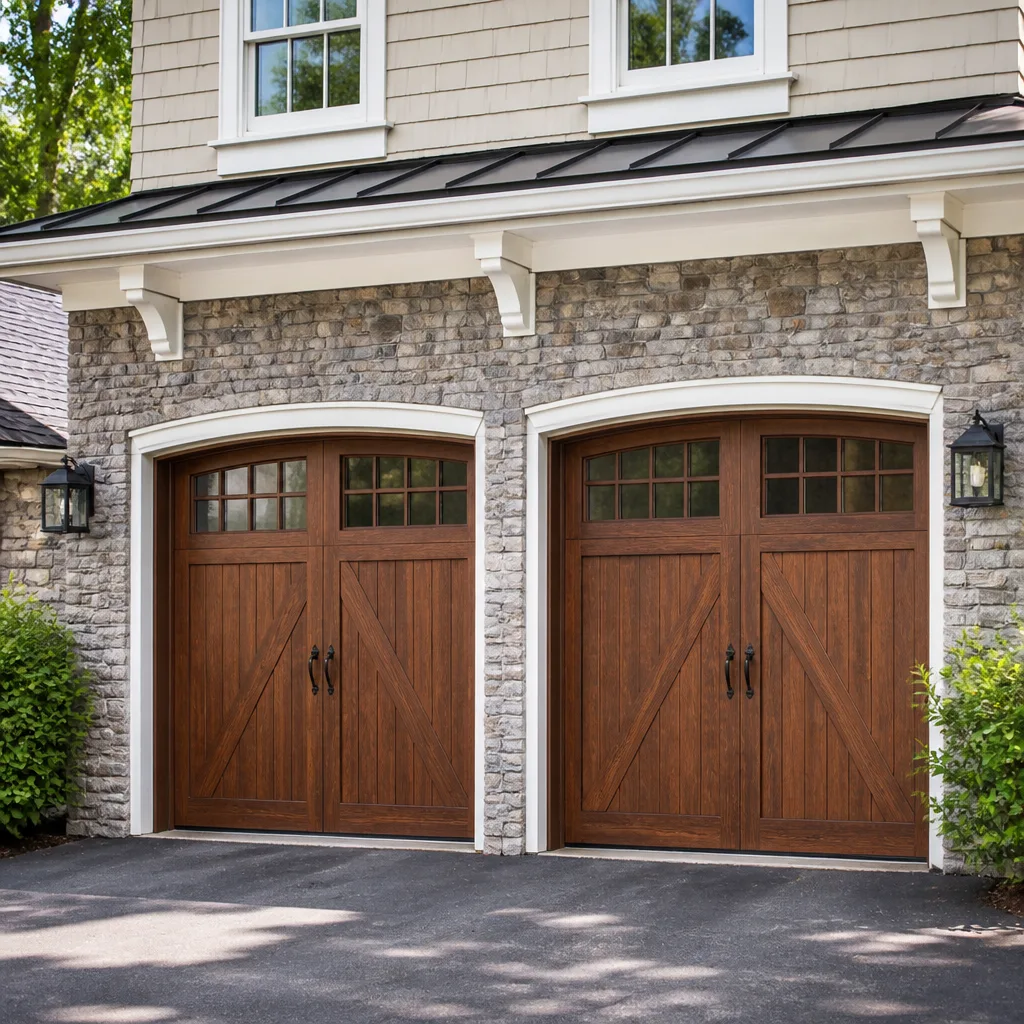 Carriage house
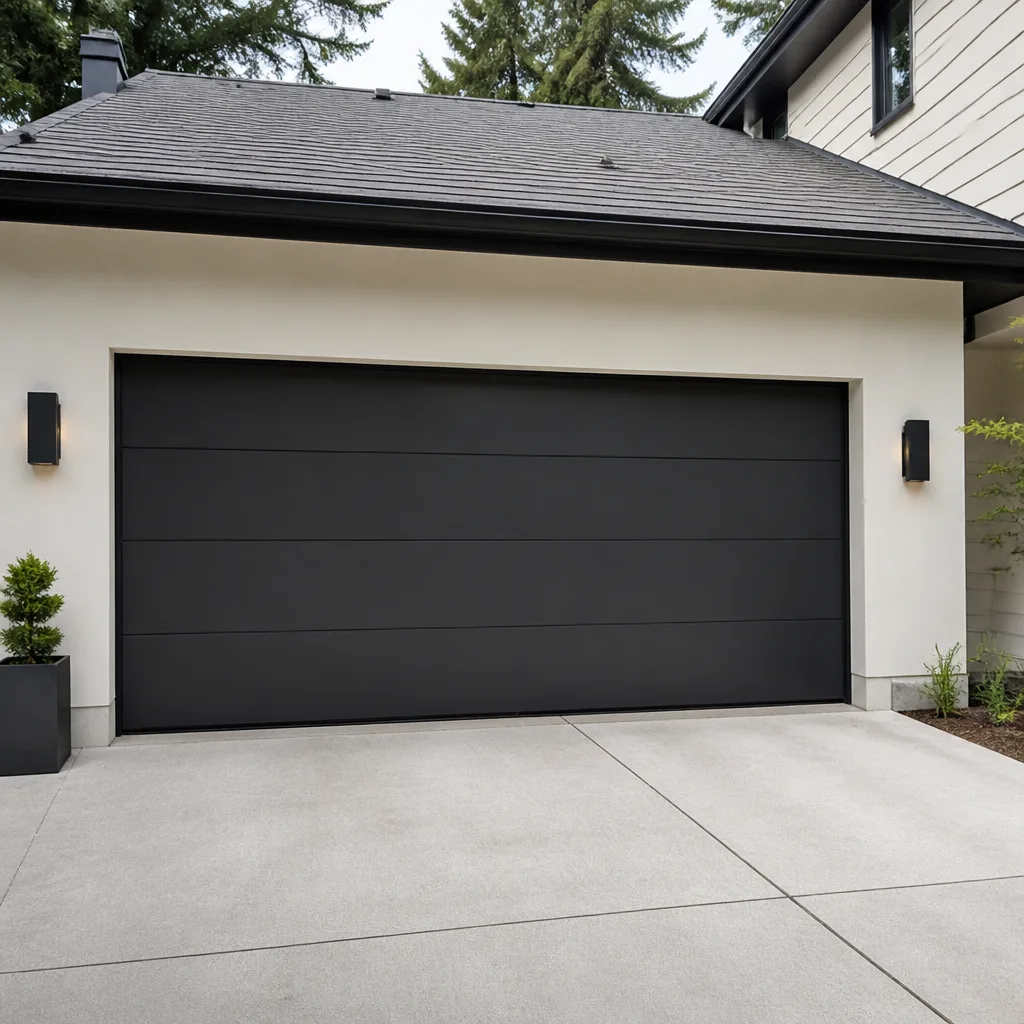 Modern flush
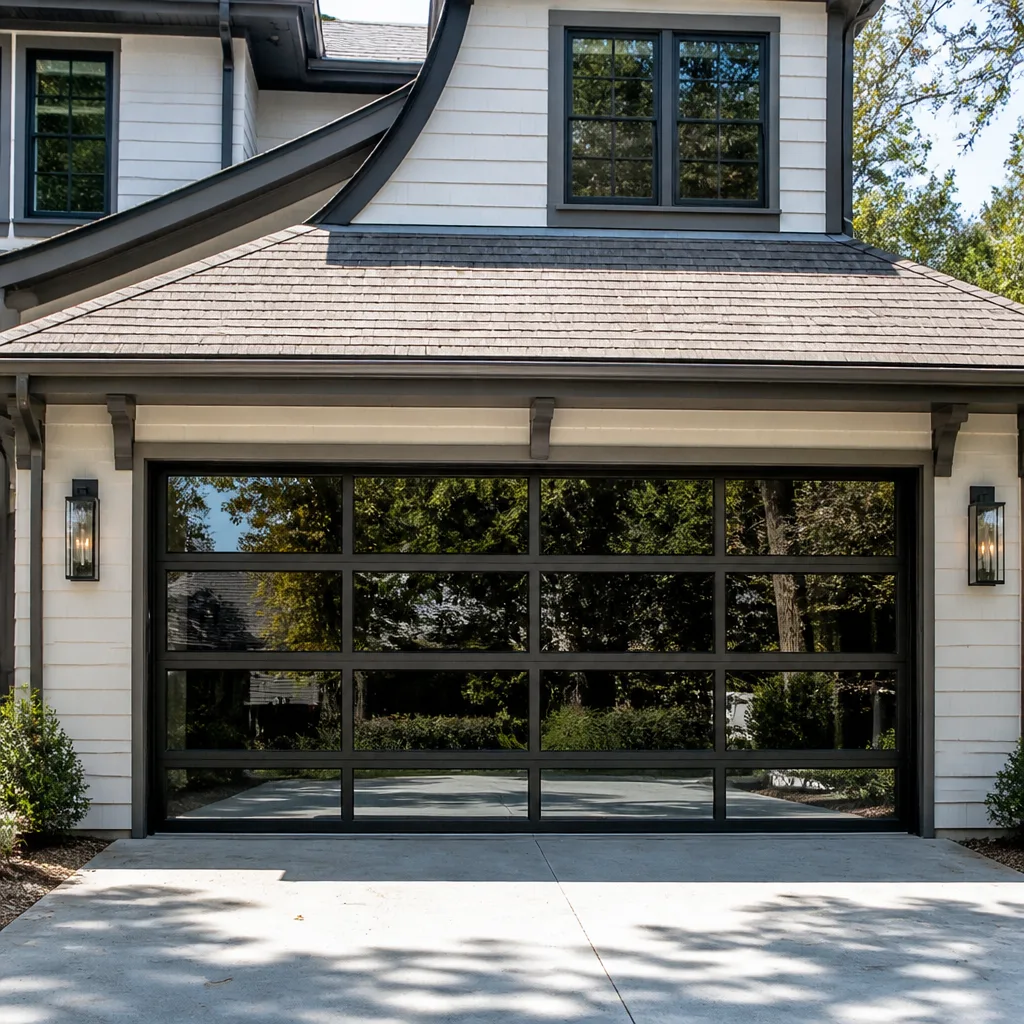 Full-view glass
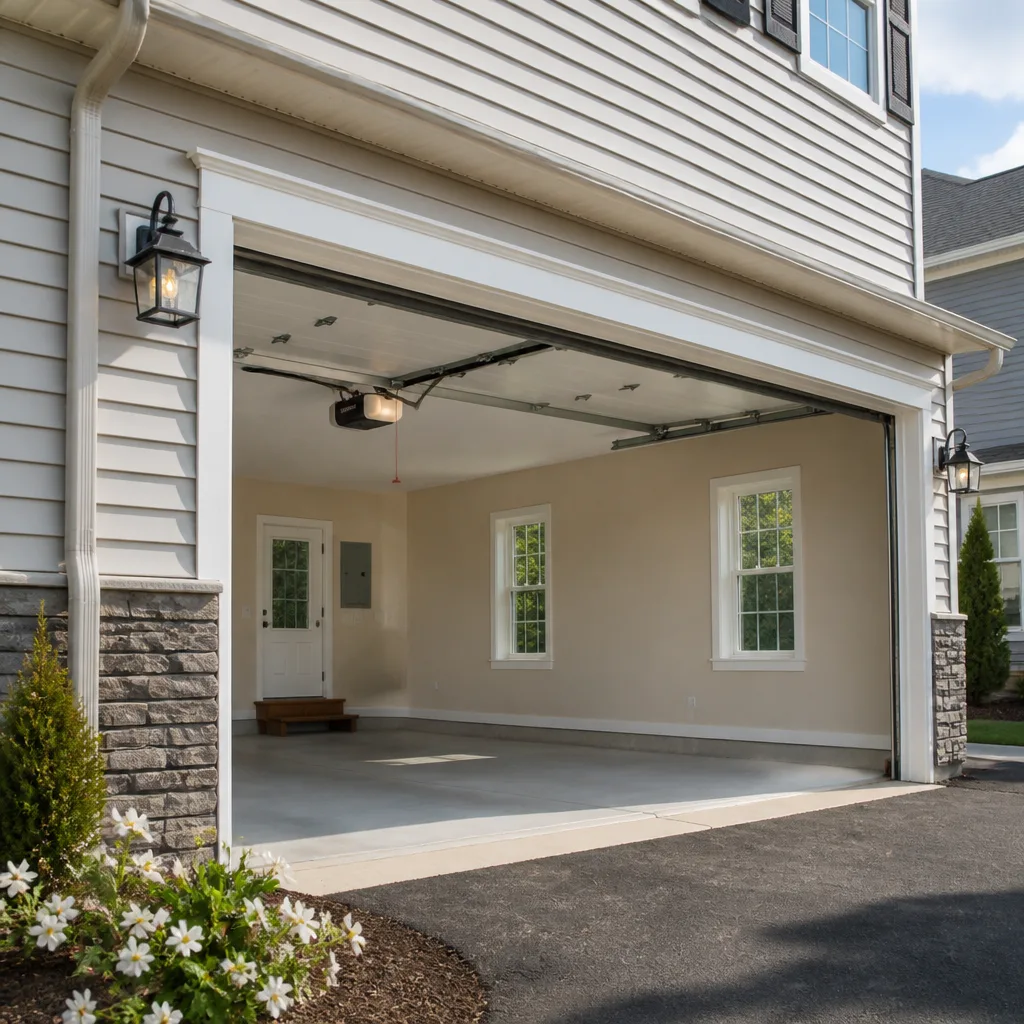 LiftMaster openers
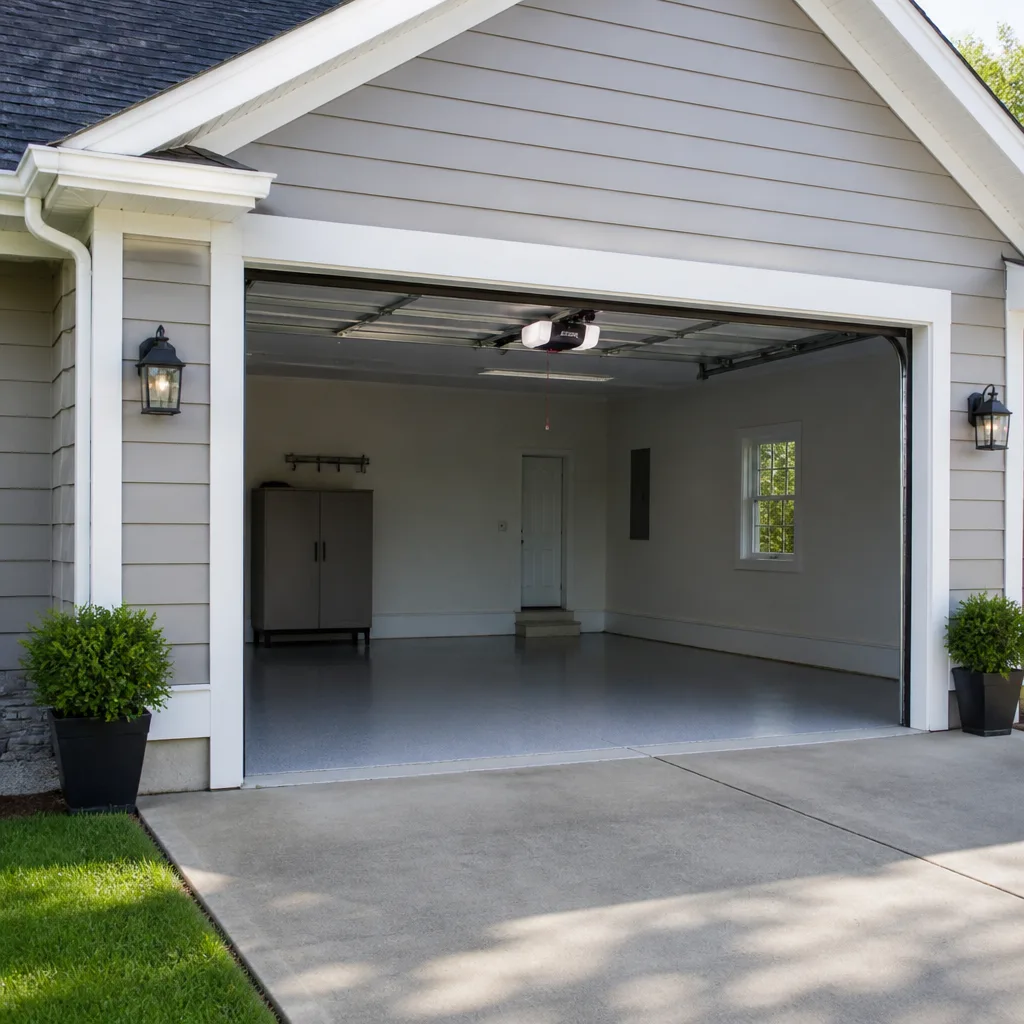 Chamberlain openers
Full 25-point door and opener safety check with every visit - springs, cables, rollers, tracks, and your LiftMaster or Chamberlain opener included
You get a price before we start. It does not change when the pro arrives.
Get your free estimateThe Complete Guide to Garage Doors in Green Valley Ranch
Most garage door guides are written for a homeowner who doesn’t exist. They assume sea-level air, mild seasons, and a door that faces the same conditions year after year. Green Valley Ranch is none of those things. This neighborhood sits at roughly 5,600 feet on the high plains east of Denver, where the sun is fierce, the temperature swings hard, and many homes answer to an HOA before they answer to a contractor. A door and opener that thrive in a lower-altitude suburb can fail early out here, and the finish you love may not be the finish you’re allowed to hang.
This guide maps the decisions a Green Valley Ranch homeowner actually faces – insulation, opener drive type, HOA approval, and the repair-versus-replace math – to the conditions of this specific neighborhood.
Quick Answer
Garage doors in Green Valley Ranch need three things most generic advice ignores: a finish and weatherstripping rated for intense high-altitude UV, an insulated door sized to Colorado’s winter swings, and an opener drive type that tolerates roughly -10°F to 95°F without straining. Before you order anything, confirm your door style and color against your HOA’s guidelines, and get a written estimate that sets the final price before work begins.
Styles & brands we work with
- Raised-panel steel
- Carriage house
- Modern flush
- Full-view glass
- LiftMaster openers
- Chamberlain openers
Table of Contents
- Why Green Valley Ranch’s Elevation and Sun Wear Out Doors Faster
- HOA-Compliant Door Styles and Finishes in Green Valley Ranch
- Single, Double, or Triple-Layer: Which Insulation Actually Matters Here
- Which Opener Drive Type Handles Green Valley Ranch’s Temperature Swings
- Repair vs. Replace vs. Upgrade: The Decision Tree and Cost Thresholds
- Springs, Cables, and the Parts You Should Never Touch Yourself
- A Simple Seasonal Checklist for Front Range Doors
- Why We Service the Brand You Already Own
Why Green Valley Ranch’s Elevation and Sun Wear Out Doors Faster
At about 5,600 feet, Green Valley Ranch gets more ultraviolet intensity than lower-altitude parts of the Denver metro, and that hits a garage door’s exterior surfaces first. UV doesn’t just fade paint. It breaks down the chemistry of weatherstripping, the rubber seal along the bottom and sides, faster than most homeowners expect. When that seal dries and cracks, the door stops sealing – and then wind, dust, and cold air find the gap.
The neighborhood also sees plenty of clear high-plains days. Strong sun on the south- and west-facing sides of a door means one face can bake while the other stays shaded. Over a few seasons, that uneven exposure shows up as a chalky finish, a warped bottom panel, or trim that pulls away from its fasteners.
What this means in practice:
- Weatherstripping is a wear item here, not a permanent part. Plan to inspect the bottom seal and side jambs each year and replace them when they turn brittle or flat.
- Finish matters as much as steel gauge. A factory-applied finish built for sun exposure holds up better than a thin coat, but the real check is the warranty terms on the color you choose.
- South- and west-facing doors age faster. If your door faces the afternoon sun, check it more often than a shaded one.
- Wind drives grit into tracks. On the open plains, dust collects in the rollers and hinges; a dry lubricant keeps the door moving quietly.
The takeaway: in Green Valley Ranch, a garage door is a maintenance item, and the sun sets the schedule. Knowing that keeps you ahead of the small failures that lead to bigger ones.
HOA-Compliant Door Styles and Finishes in Green Valley Ranch
Green Valley Ranch is a planned community with active HOAs, and many of them restrict door color, panel style, and even window inserts. That restriction has a real consequence most guides skip: some paint finishes and colors you’d happily buy won’t match what your HOA permits, so the warranty and the rulebook can pull in opposite directions. Check both before you order.
Here’s how to verify approval the right way:
- Get your HOA’s architectural guidelines in writing. Ask for the specific section on garage doors, color palettes, and materials.
- Confirm the approval process. Most HOAs require an architectural request form before any exterior change; find out the turnaround time so it doesn’t stall your order.
- Match the color to an approved sample or formula. If your HOA names a color system, note the exact code so the door you receive matches.
- Ask about panel and window style. Many Green Valley Ranch associations specify a raised-panel or carriage-style look and restrict window placement.
- Keep your approval and warranty paperwork together. If a finish question comes up later, you’ll have the record.
Brand-agnostic service helps here. Because we work across established makers such as Amarr and Wayne Dalton, we can point you toward the door style and color options that fit what your HOA allows rather than steering you toward one product line. If you need a full replacement, our garage door installation team can walk the approval steps with you. Order the door that’s approved and warranted – not the one you’ll have to repaint.
Single, Double, or Triple-Layer: Which Insulation Actually Matters Here
Insulation is where garage door marketing gets loudest. The real question is simple: is your garage attached to the house, and do you spend time in it? In Green Valley Ranch, where winters swing well below freezing, an attached garage shares a wall with living space, and a poorly insulated door turns that wall into a cold spot. That’s the threshold that matters.
Doors come in three basic constructions:
- Single-layer (uninsulated). One steel skin, no core. Lightest and least expensive. Fine for a detached, storage-only garage, but it does little to hold back Colorado cold.
- Double-layer (steel front, insulated core). Better rigidity and a real reduction in heat loss. A sensible middle ground for many attached garages.
- Triple-layer (steel front and back, insulated core). The stiffest, quietest option, with the best thermal performance. Worth it if the garage doubles as a workspace or sits under bedrooms.
R-value is the number that describes insulating power. Higher is better for an attached garage in this climate, and moving from an uninsulated single-layer door to an insulated double- or triple-layer door is the jump that matters most. Chasing the absolute highest number on a detached garage rarely pays back.
Insulation also affects how the door feels and sounds. A heavier insulated door needs correctly balanced springs and a properly rated opener, so the door and the opener should be chosen together. If you’re weighing an upgrade, an estimate will clarify which layer count fits your garage and budget.
Which Opener Drive Type Handles Green Valley Ranch’s Temperature Swings
Green Valley Ranch can move from around -10°F in a winter cold snap to 95°F on a summer afternoon. That range stresses the grease in an opener’s rail, the belt or chain that drives the door, and any electronics mounted in an unheated garage. Drive type is where that plays out.
- Belt drive. Quietest option, and the belt tolerates temperature swings well. The usual first choice for a garage under a bedroom or living space.
- Chain drive. Durable and proven, but noisier. It holds up to the cold, though it needs periodic lubrication as temperatures swing.
- Screw drive. Fewer moving parts and steady operation, but it can be louder and needs the rail kept clean.
- Direct drive. A motor that travels along a fixed rail with very few wear parts. Reliable and quiet, with a different service profile from belt or chain units.
We work with openers from LiftMaster, Chamberlain, Genie, and Craftsman, so the recommendation follows the door you have and the garage you’re opening, not a single product line. When an opener starts reversing for no reason, running rough in cold weather, or losing its travel limits, it’s often a sensor, a gear, or a logic board rather than a dead motor. Diagnosis comes before replacement. For opener-specific help, our garage door opener repair service can identify the actual fault and get the right part sourced fast.
One tip for the swings: an opener rated for cold weather and paired with a well-balanced door struggles far less. If the door is heavy or the springs are tired, no opener will fix that – balance comes first.
Repair vs. Replace vs. Upgrade: The Decision Tree and Cost Thresholds
This is the question homeowners ask most, and the honest answer comes down to a few thresholds. A general rule: a single failed component on a sound door is usually a repair. When several major parts are failing at once, or the door itself is warped or rusted through, replacement starts to make more financial sense. Insulation and opener upgrades sit in between.
Walk the tree in order:
- Is it one part? A broken spring, a bad opener motor, a snapped cable, or a bent track on an otherwise solid door points to repair.
- Is it a pattern? If springs, rollers, hinges, and the opener are all aging together, price a replacement against the sum of repairs.
- Is the door itself failing? Warped panels, a rusted-through skin, or a bottom section that won’t seal means the shell is done, and replacement wins.
- Is the garage attached and used? If so, an insulation upgrade on a sound door can be worth it for comfort and thermal performance, even when a repair would “work.”
- Does the finish fail HOA or warranty? If the door’s color or finish can’t be corrected within the rules and the warranty, that pushes toward a new, approved door.
Cost is per job by written estimate, and the estimate sets the final price – so the real threshold is the repair figure versus the replacement figure on paper, not a guess. When the repair estimate and a replacement estimate are close, weigh how many more years the current door has left. When the repair is clearly smaller, fix it and keep the door. A single spring repair is one line on the estimate; a replacement is a different decision entirely.
Typical garage door work is priced per job after we see the door, the opener, and the balance, so any estimate should describe exactly what’s included. If you’re comparing repair to replace, ask for both numbers in writing.
Springs, Cables, and the Parts You Should Never Touch Yourself
Springs and cables are the most dangerous parts of a garage door. The torsion spring at the top or the extension springs along the sides store enormous tension to lift a door that can weigh hundreds of pounds, and a spring or cable that lets go releases that energy with no warning. This is not a do-it-yourself job, and no responsible guide will hand you the steps to release that tension.
What you should know and check, without touching the mechanism:
- Never wind, unwind, or cut a spring or cable. Torsion springs require the correct winding bars and technique; a slip can cause severe injury. Leave it to a trained technician.
- Keep the door closed and call for help if a spring breaks. Don’t force the door up or down.
- Test the balance safely. With the door’s opener disconnected and the door about halfway, a properly balanced door holds position with little effort. If it slams or drifts, the springs need attention.
- Watch for frayed cables and worn drums. Fraying means the cable is near failure.
- Keep fingers clear of hinges and the gap between sections when the door is moving.
Spring repair is a specialty we treat with that seriousness. Because it’s a named, dedicated service and we keep parts on hand, we can diagnose and fix the problem faster than a shop that outsources parts. If you’re not sure what’s wrong, our garage door repair team can look at the whole system and quote the fix before any work starts.
A Simple Seasonal Checklist for Front Range Doors
A little maintenance goes a long way in Green Valley Ranch’s climate. Most of it is visual inspection and light lubrication – nothing that touches springs or cables. Do these checks a few times a year, and pay extra attention after a hard cold snap or a windy spring.
- Look at the weatherstripping along the bottom and sides. Replace any section that’s cracked, brittle, or flat against the frame.
- Inspect the finish for chalking, fading, or peeling, especially on sun-facing panels.
- Check the tracks for dents, debris, and loose fasteners, and wipe grit out of the rollers.
- Lubricate hinges, rollers, and the opener rail with a dry or silicone-based lubricant – not grease that congeals in the cold.
- Test the safety reverse. Put an object in the door’s path; the door should reverse on contact.
- Listen for changes. New grinding, rattling, or a door that reverses on its own means it’s time for a professional look.
This checklist gets you through the year without opening the door to real risk. Anything that involves the springs, cables, or a full opener replacement belongs with a technician.
Why We Service the Brand You Already Own
A lot of garage door problems get solved faster when the technician already knows your system. We’re certified to work on eight major brands – LiftMaster, Chamberlain, Genie, Clopay, Amarr, Wayne Dalton, Craftsman, and Raynor – so diagnosis starts from the actual hardware in front of us, not a generic stand-in. That means the right part for your specific door, sourced quickly, rather than a recommendation to replace a whole system you don’t need to replace.
We cover the full arc in one place: parts sourcing, spring repair, opener repair, and complete installation. Because we supply parts directly, the wait between diagnosis and fix is shorter than with shops that outsource procurement. Our technicians have up to 15 years of experience across these systems.
Working on the brand you already have keeps the decision in your hands. Recommendations follow your hardware and budget, not a product line we’re trying to sell. When you’re ready to start, the team at Garage Door Repair Green Valley Ranch can take the whole job from the first call.
Common Mistakes to Avoid
- Ordering a door before checking HOA rules. Green Valley Ranch associations restrict color and style, and a door that violates the guidelines can void the very finish warranty you relied on. Get written approval first.
- Skipping the weatherstripping. At this elevation and sun exposure, seals dry out fast. Ignoring a cracked bottom seal costs more in heat loss and water intrusion than the replacement would.
- Choosing an opener by price alone. A chain unit bolted over a bedroom in an attached garage can drive you up the wall with noise. Match drive type to where the garage sits.
- Replacing a sound door over one failed part. A broken spring or a dead opener on an otherwise good door is a repair, not a reason to start over. Price the fix first.
- Chasing the highest R-value on a detached garage. Insulation pays off most on attached, heated-adjacent garages. On a storage-only detached garage, that money is often better spent elsewhere.
- Forcing a door with a broken spring. Pushing a dead door can bend tracks and stress the opener. Leave it closed and get it looked at.
See the difference
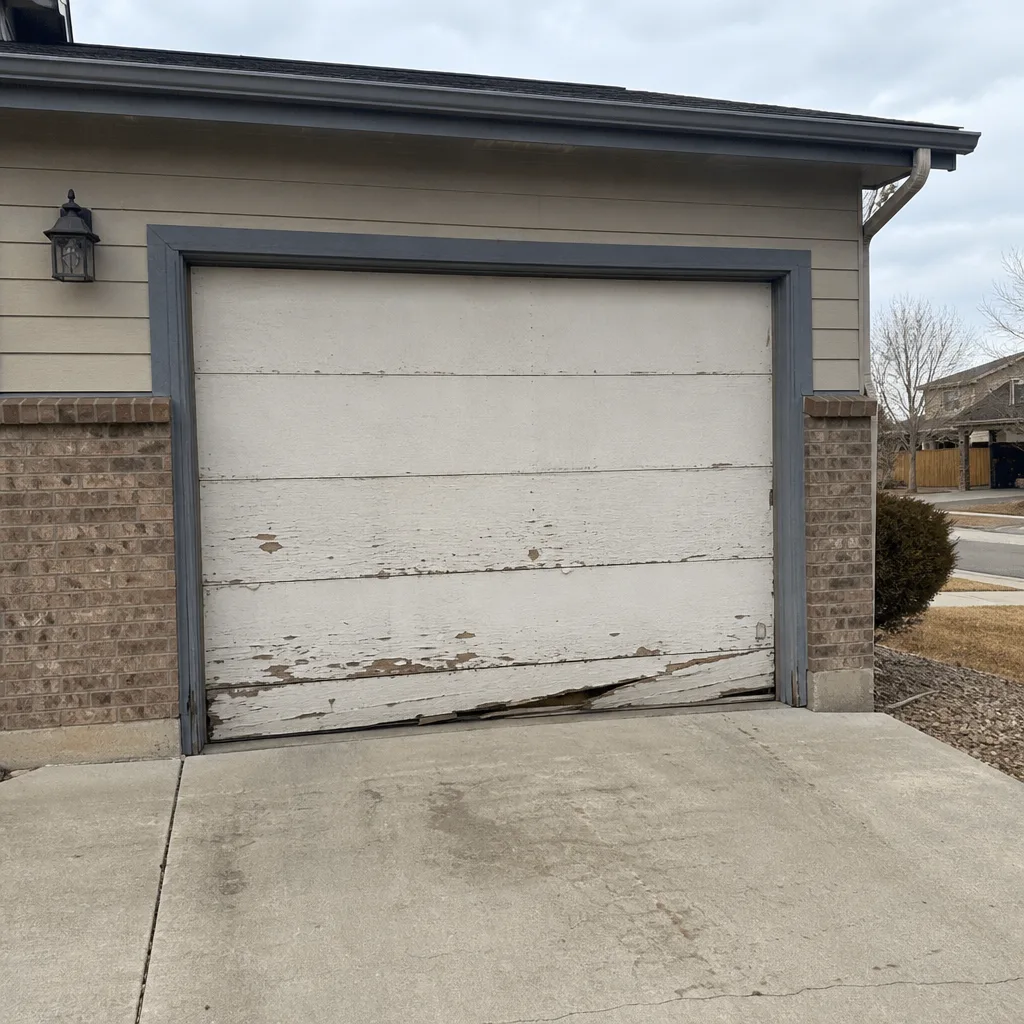 Before
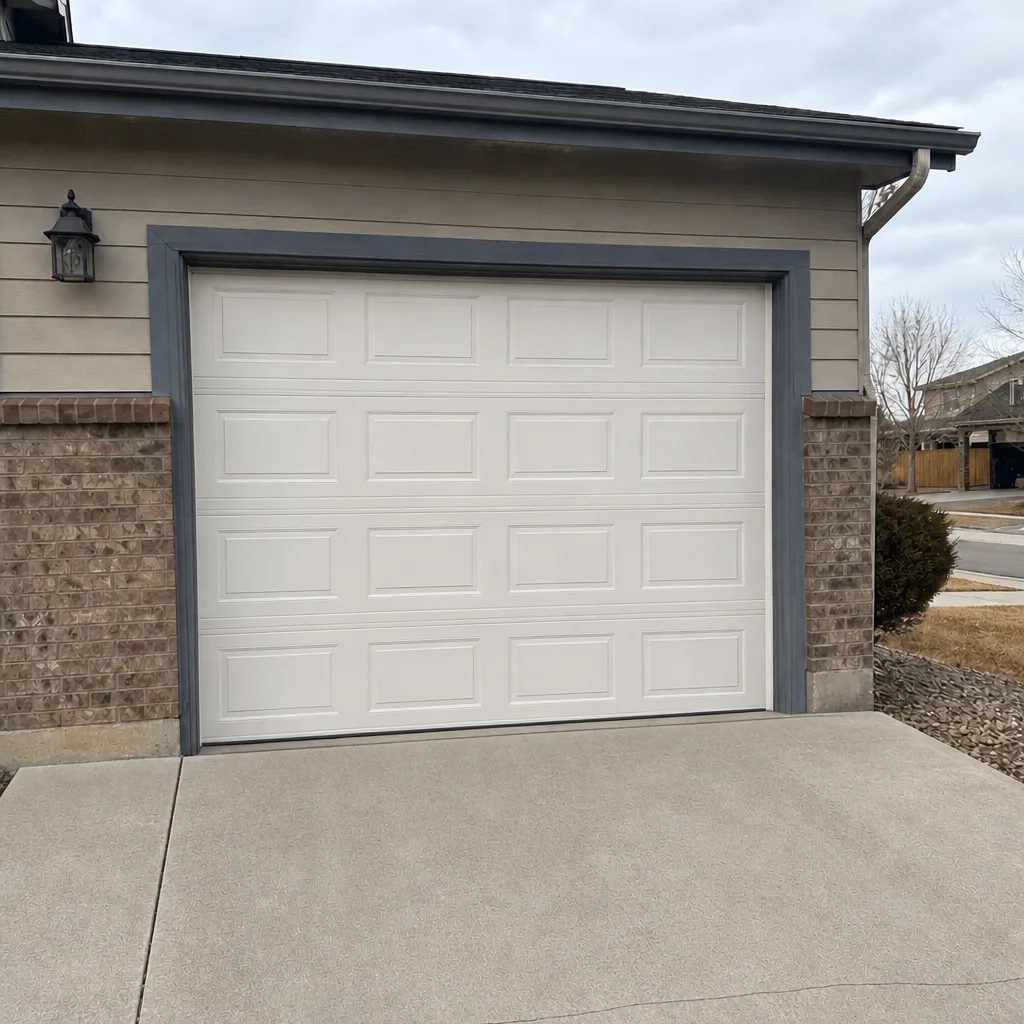 After
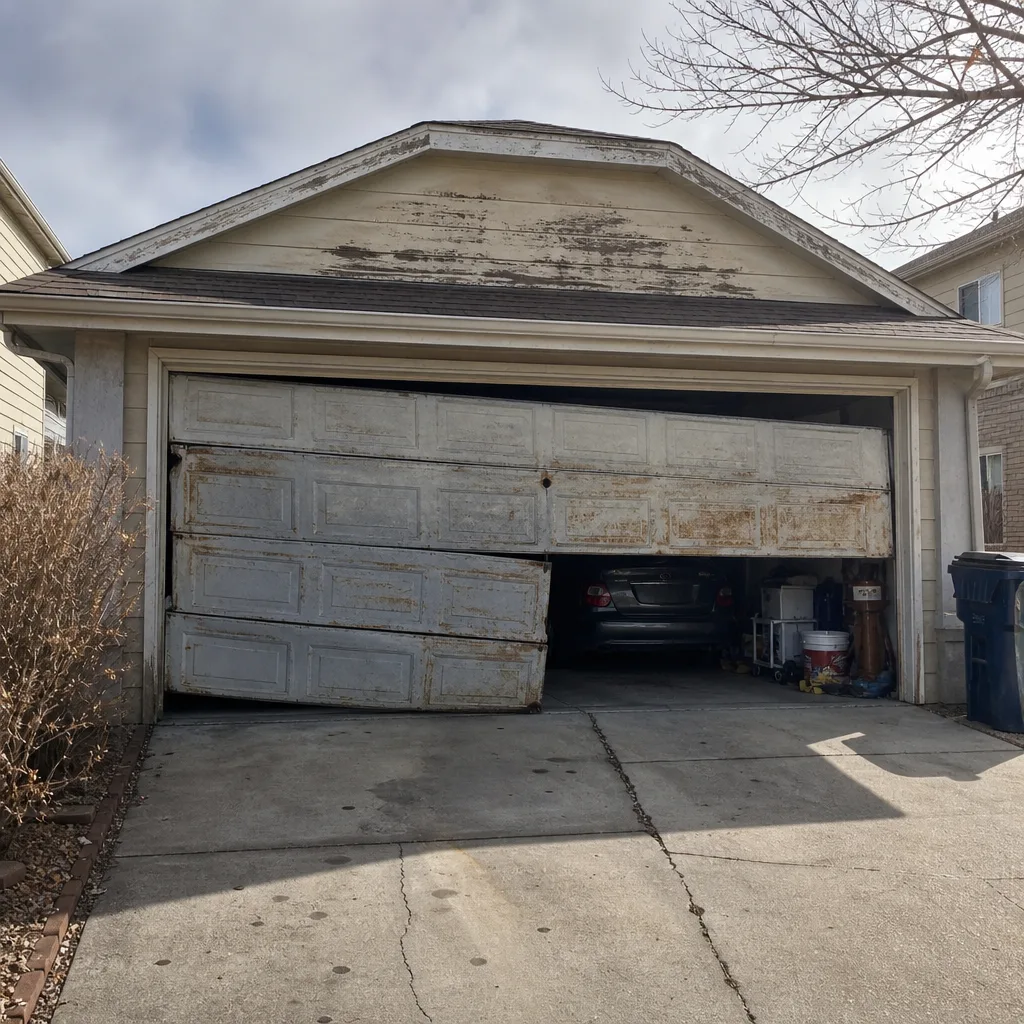 Before
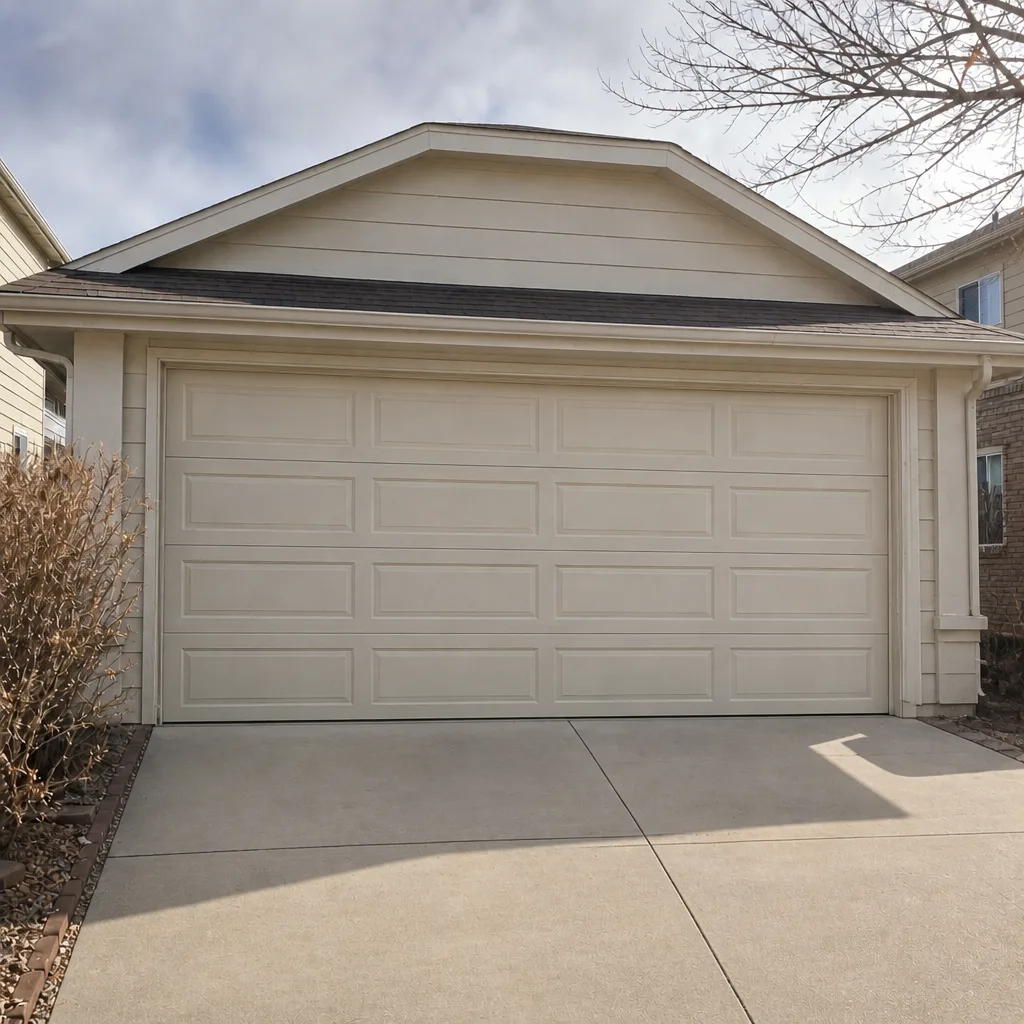 After
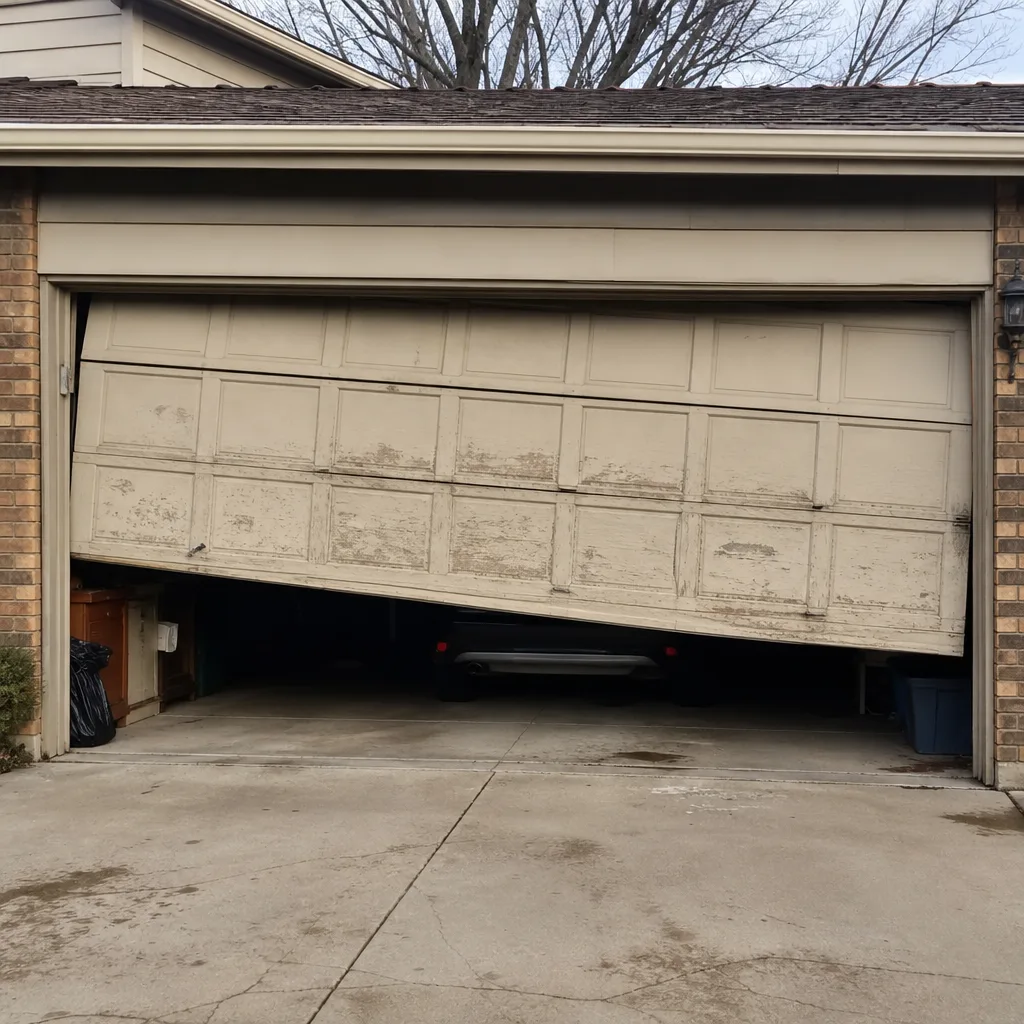 Before
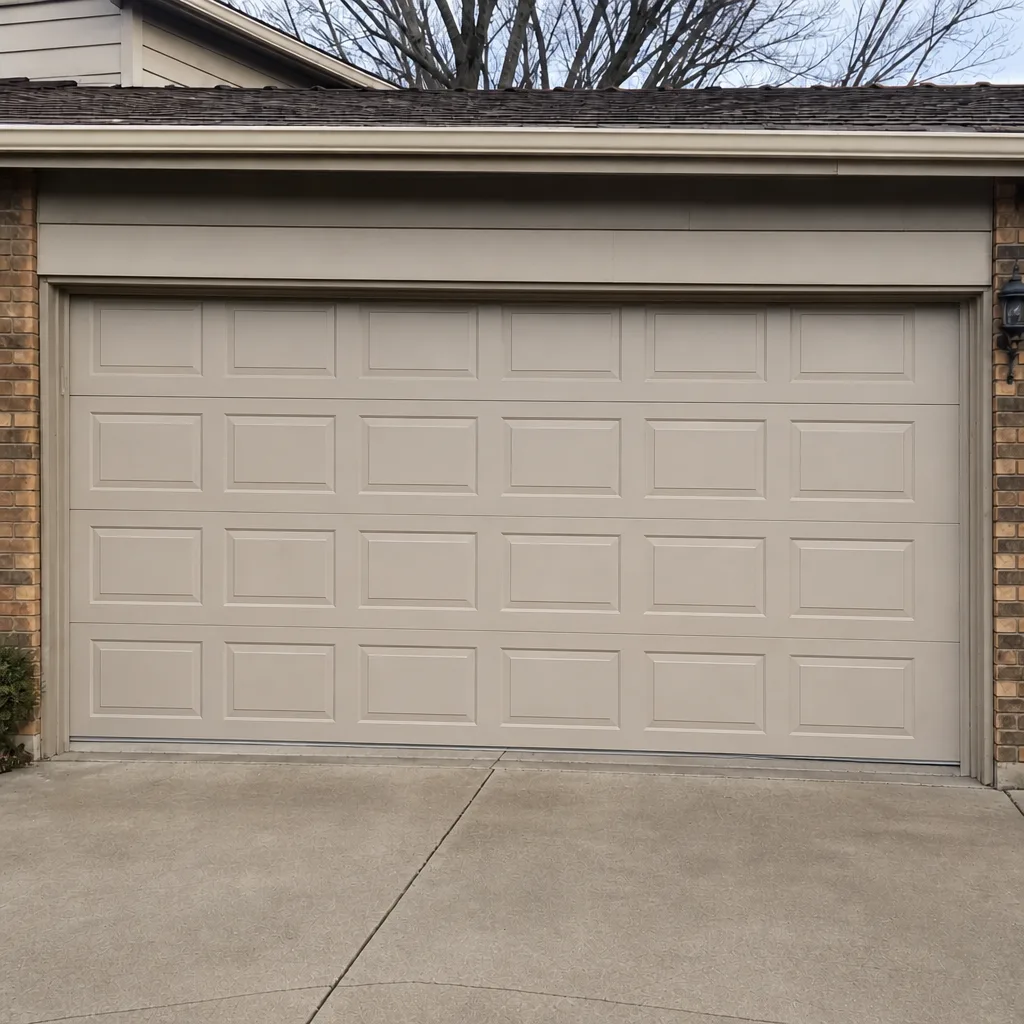 After
When to Call a Professional
Some jobs you can handle safely – swapping weatherstripping, wiping grit from tracks, light lubrication. Others need a trained technician. Call a professional when a spring breaks, when a cable frays, when the door won’t balance or reverses on its own, when an opener loses its travel limits or runs rough in the cold, or when panels and the shell are failing at the same time and you need an honest repair-versus-replace number. A suspected electrical or opener-logic fault is another clear call: those systems run on household current, and a trained technician needs to trace the fault safely. Garage Door Repair Green Valley Ranch offers free estimates in Green Valley Ranch – call (855) 337-1312. We answer 24/7. Fast dispatch from 7am to 7pm, Sunday through Friday.
Frequently Asked Questions
Start with your HOA’s written architectural guidelines for door color, panel style, and windows, then submit the approval request before you order. Bring the exact color code and style to your estimate so the door you receive matches what’s allowed, and keep the approval and warranty paperwork together.
For an attached garage in Green Valley Ranch, an insulated double-layer or triple-layer door is the sensible choice, since the higher R-value reduces heat loss into living space. A single-layer, uninsulated door is usually fine only for a detached, storage-only garage.
Belt and direct drive handle the -10°F to 95°F range quietly and reliably, while chain and screw drive are durable but louder and need periodic lubrication. Match the drive type to whether the garage sits under living space, and make sure the door is properly balanced first.
It’s priced per job by a written estimate, because a spring repair, an opener fix, and a panel replacement are very different lines. The estimate sets the final price, so get it in writing before work begins. Call (855) 337-1312 for an exact quote – estimates are free.
In most cases, yes. We’re certified to work on LiftMaster, Chamberlain, Genie, Clopay, Amarr, Wayne Dalton, Craftsman, and Raynor, so diagnosis starts from your actual system. If your brand isn’t on that list, tell us what you have and we’ll confirm before booking.
Same-day helps for failures like a snapped spring or a dead opener. A full door replacement, an insulation upgrade, or a new install is measured and ordered, so that work is scheduled around the estimate and approval. We answer 24/7. A call outside dispatch hours is booked into the next opening, Sunday through Friday, 7am to 7pm.
The Bottom Line
Green Valley Ranch asks more of a garage door than the generic guides account for. High-altitude UV wears out weatherstripping and finishes faster, HOA rules can override the color and style you’d choose, and the -10°F to 95°F swing shapes which opener holds up. Insulation matters most on an attached garage; R-value above a sensible threshold rarely pays back on a detached one. For repair versus replace, a single failed part is a fix, while several aging parts or a failed shell point to replacement. Check your HOA first, get a written estimate that sets the final price, and never touch the springs yourself. Call (855) 337-1312 for a free estimate. We answer 24/7. Fast dispatch from 7am to 7pm, Sunday through Friday.
Written by the team at Garage Door Repair Green Valley Ranch.