
Last updated November 22, 2026
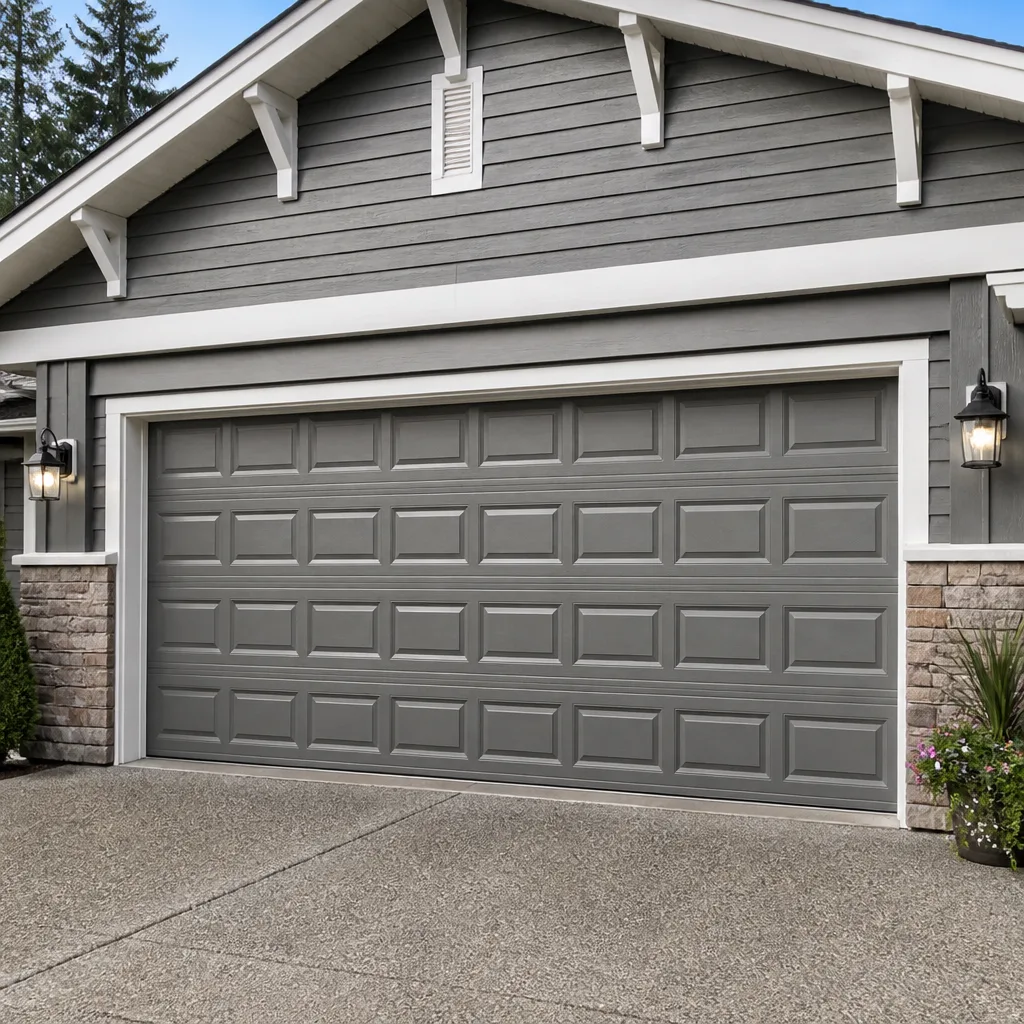 Raised-panel steel
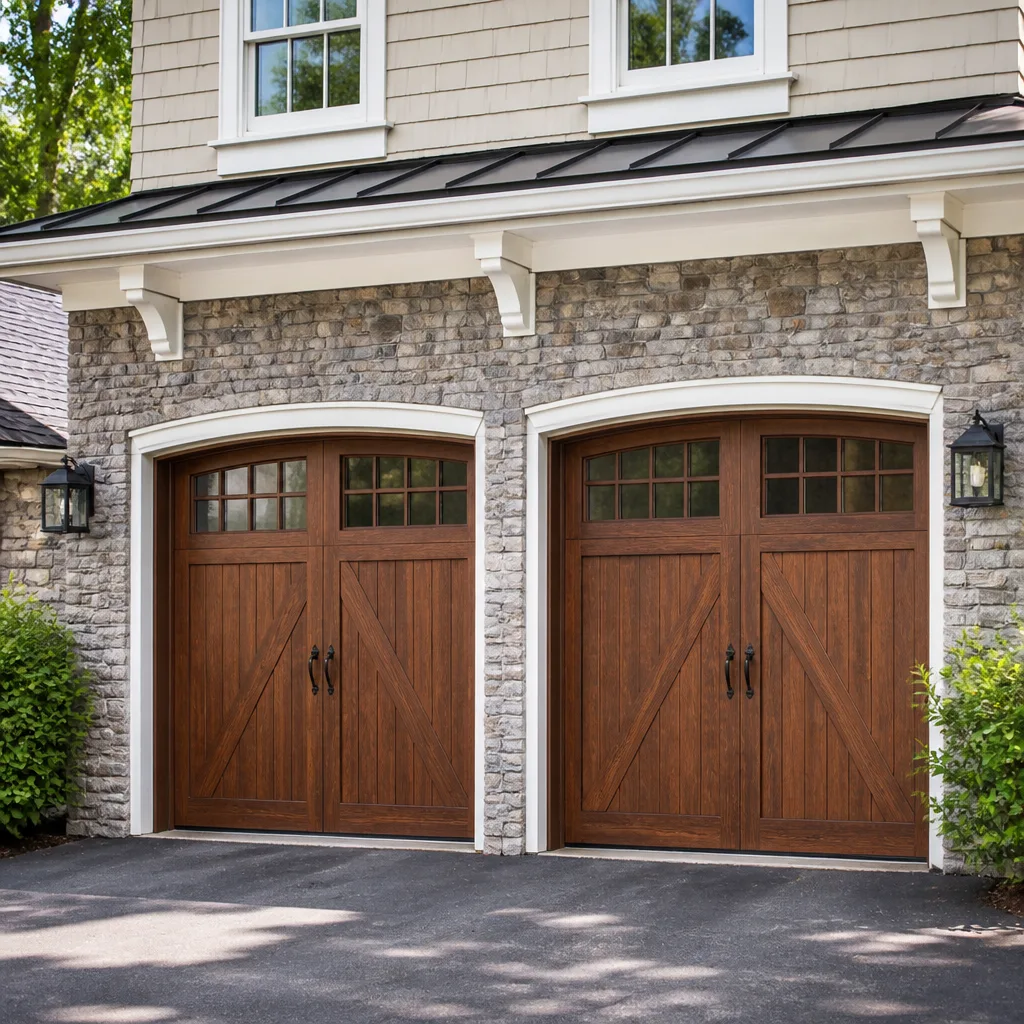 Carriage house
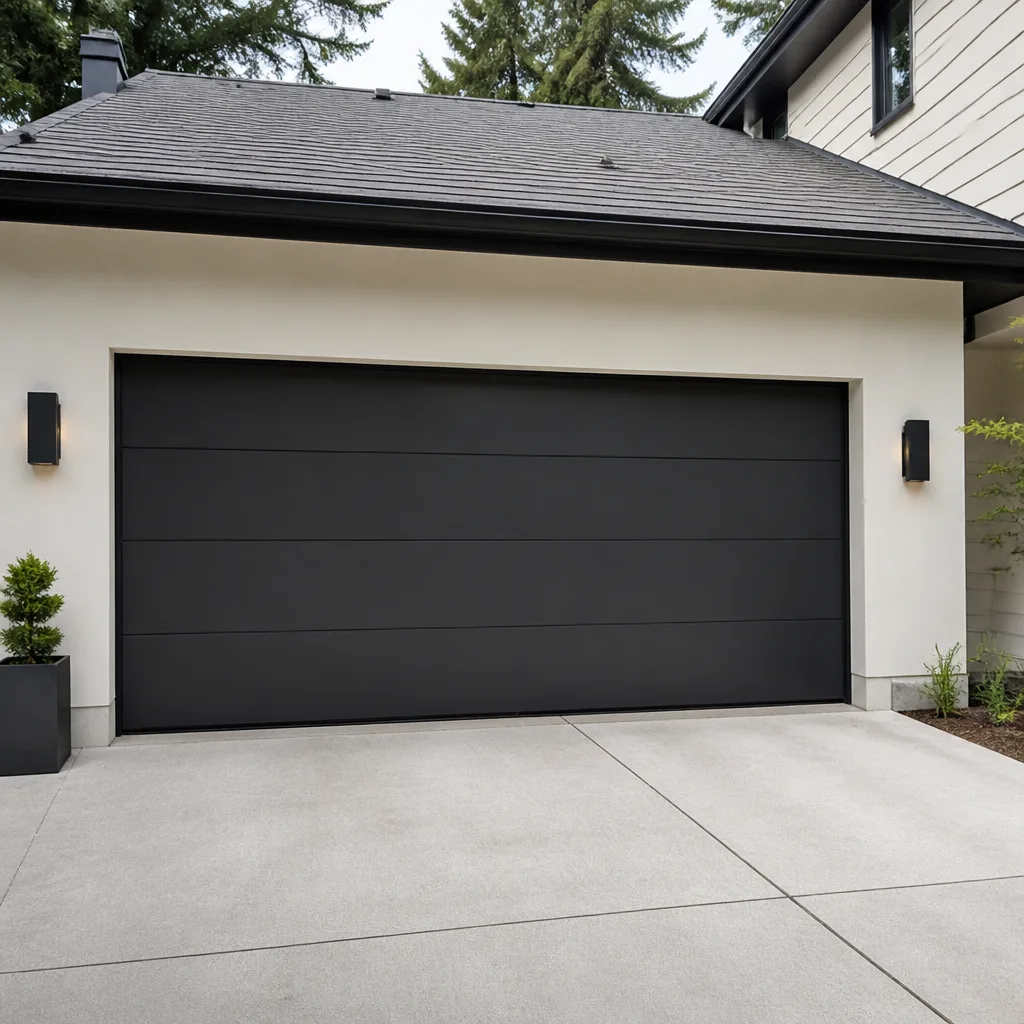 Modern flush
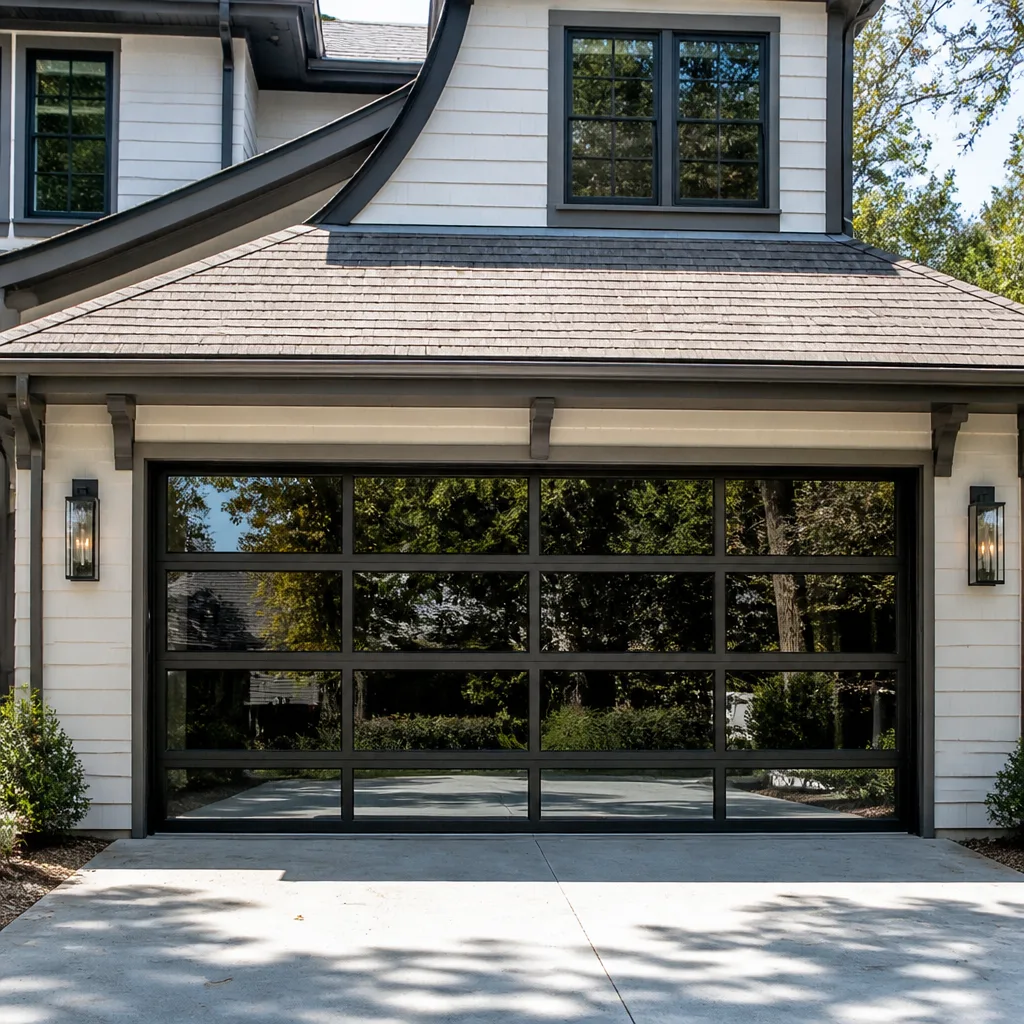 Full-view glass
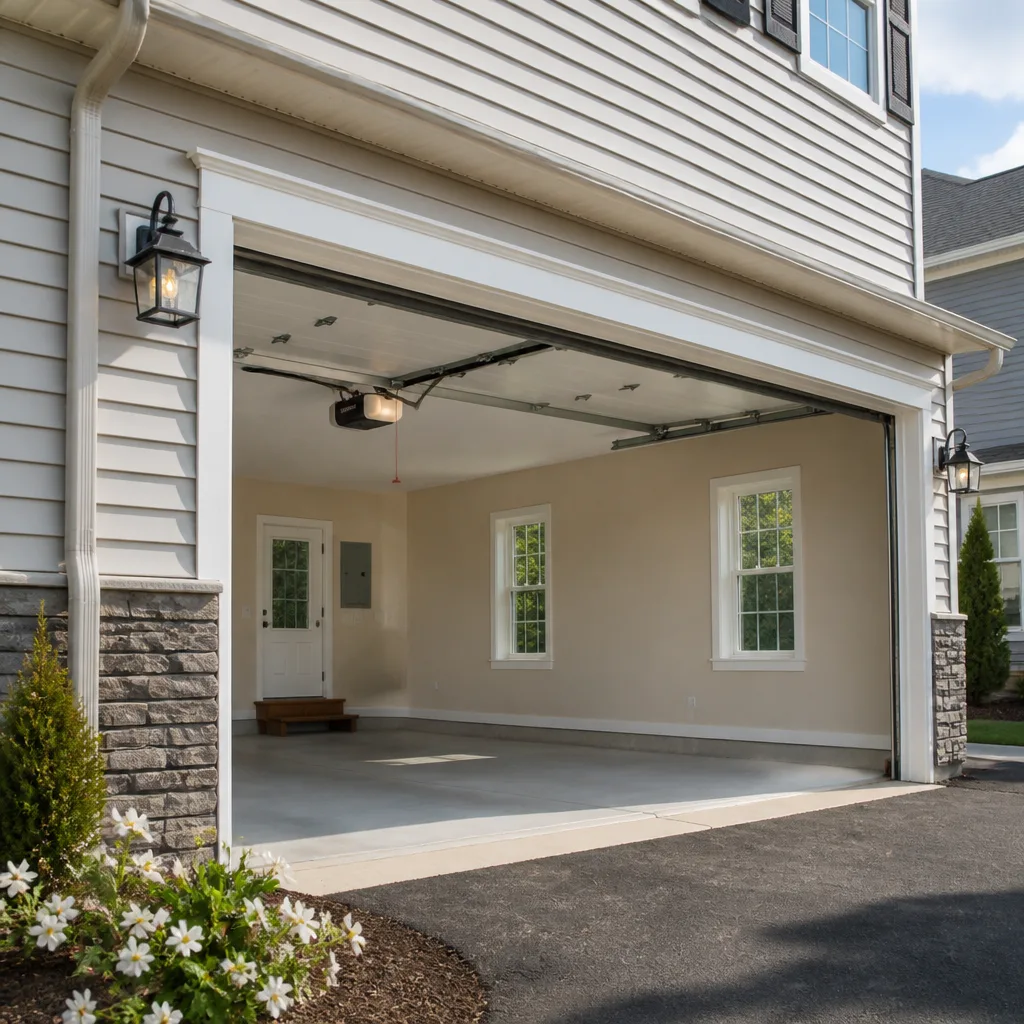 LiftMaster openers
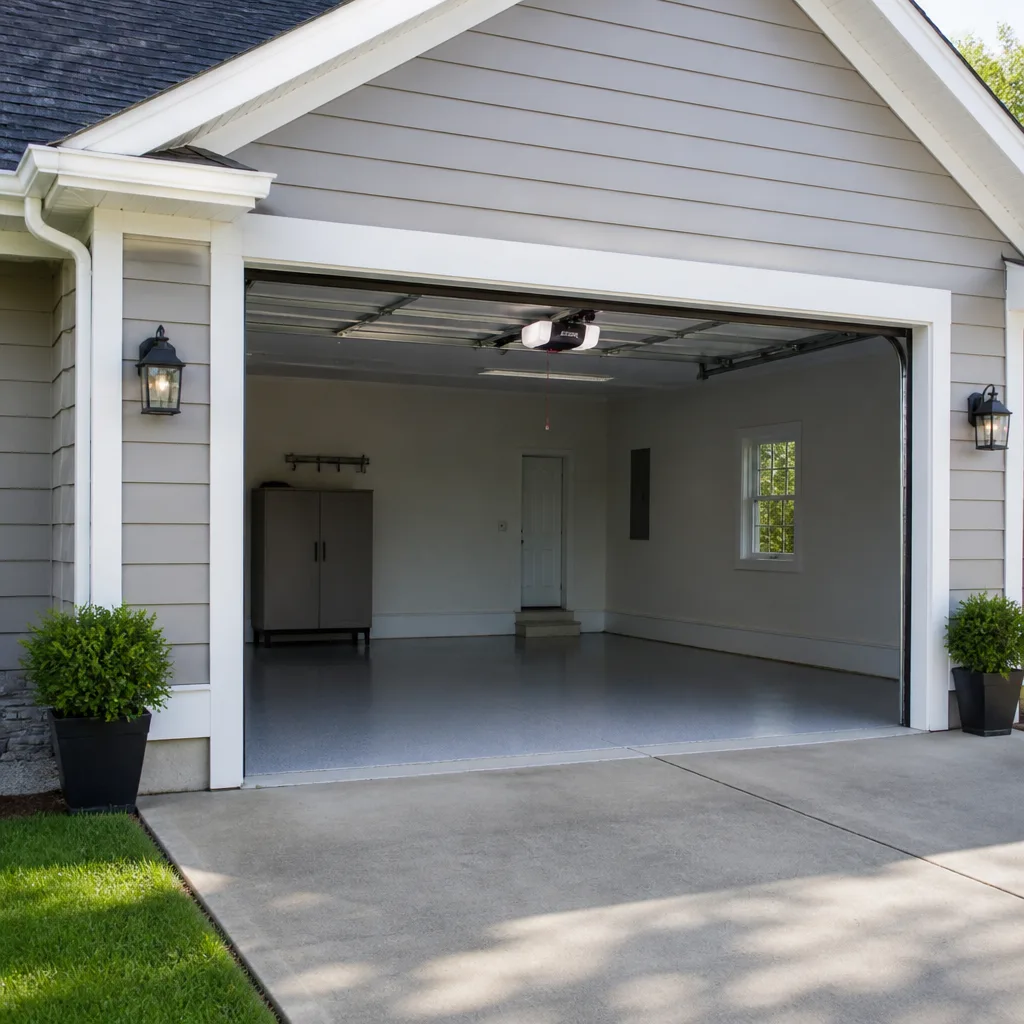 Chamberlain openers
Full 25-point door and opener safety check with every visit - springs, cables, rollers, tracks, and your LiftMaster or Chamberlain opener included
You get a price before we start. It does not change when the pro arrives.
Get your free estimateGarage Door Emergency Preparedness Guide for Green Valley Ranch Homes
Most garage door emergencies we get called about aren’t really mechanical failures. They’re preparedness failures. A spring breaks, the power drops, or a cold snap freezes a seal shut – and the homeowner has no idea where the manual release cord is, how to tell one problem from another, or whether the situation can wait until morning. The door follows its nature, but the outcome depends entirely on what you know before it happens. This guide lays out the three categories of emergency we see in Green Valley Ranch homes, a response protocol for each, and the specific things to check so a manageable problem never becomes a safety incident.
Quick Answer
Garage door emergencies in Green Valley Ranch fall into three buckets: weather events, power outages, and mechanical failures. Each needs a different response. Weather emergencies call for a visual check before you touch anything. Power outages call for the manual disconnect – and knowing where that cord is before you need it. Mechanical failures like a snapped spring or a door off its track call for stopping all motion and getting a trained technician out, because high-tension springs and falling doors are genuinely dangerous to handle yourself.
Styles & brands we work with
- Raised-panel steel
- Carriage house
- Modern flush
- Full-view glass
- LiftMaster openers
- Chamberlain openers
Table of Contents
- The Three Categories of Garage Door Emergency
- How to Find and Use the Manual Disconnect on Your Opener
- Power Outage Protocol: Battery Backup and Retrofits
- What to Do Immediately After a Door Comes Off Its Track
- Winter Emergencies: Frozen Seal vs. Frozen Track vs. Spring Failure
- Waiting Until Morning vs. Calling Right Now
- The Green Valley Ranch Pre-Winter Prep Checklist
- Common Mistakes to Avoid
The Three Categories of Garage Door Emergency
Every garage door problem we get called about in Green Valley Ranch fits into one of three categories, and the category determines what you do first. Sorting your situation into the right bucket is the single most useful skill this guide can give you.
Category one: weather events. A hard freeze, a windstorm, a heavy snow load on the roof of the garage – something outside the door changed the conditions it operates in. The door itself may be fine; the environment isn’t. These situations usually call for a careful visual inspection before you touch the opener.
Category two: power outages. The door and opener are healthy, but there’s no electricity to run them. This is the most common “emergency” and also the easiest to handle – if you know where your manual release cord is. If you don’t, a power outage turns into a stuck-car morning.
Category three: mechanical failures. A spring snaps, a cable lets go, a roller pops out of its track, or the door comes off its track entirely. These are the situations where experience matters most, and where the correct first move is usually stop and call rather than try to fix it.
Once you know which bucket you’re in, the rest of this guide is just the protocol for that bucket. Most homeowners in Green Valley Ranch can triage their own door in under a minute once they’ve read this once.
How to Find and Use the Manual Disconnect on Your Opener
The manual disconnect is a cord with a handle that hangs from the opener trolley, and it lets you disengage the door from the opener so you can lift it by hand when there’s no power. On nearly every residential opener, it’s a red or T-shaped handle hanging from the rail above the door. If you’ve never looked for it, do that today – before you need it.
Where the cord lives on the brands we see most in Green Valley Ranch
The cord’s location varies slightly by brand and model, but on the openers we service most often the general pattern is consistent:
- LiftMaster and Chamberlain (they share a common design lineage): the release cord hangs from the trolley carriage on the rail. On newer models it’s a red handle; older ones use a T-shaped pull.
- Craftsman: same trolley-mounted design, usually with a red or orange T-handle. Some older models route the cord slightly forward along the rail.
- Genie: trolley-mounted release, often with a slightly shorter cord. On screw-drive Genie units the cord is closer to the door.
- Wayne Dalton openers (when paired with a Wayne Dalton door): trolley release, similar placement to the LiftMaster pattern.
- Raynor: trolley-mounted release cord, red handle on current models.
What to do if the cord is stuck
If you pull the release cord and the door won’t disengage, don’t yank. A stuck release usually means the trolley is under tension from the door’s position, or the carriage is jammed on the rail. Try these steps in order:
- Pull the cord firmly and hold for two seconds – some carriages need a beat to release rather than a hard snap.
- Lift the door a few inches by hand while pulling the cord. This relieves trolley tension.
- If the door is fully closed and the cord won’t release, the trolley may be locked against the stop. Call us – a stuck release often points to a carriage or rail issue that needs a technician.
Once the door is in manual mode, it stays that way until you re-engage the trolley by running the opener – so don’t leave it disengaged longer than you need. If you’re not sure how to re-engage it, our garage door opener repair team can walk you through it.
Practice this once, in daylight, on a calm day. The whole point of the manual disconnect is that it works when you’re in a hurry, in the dark, and the car is blocking the driveway. Ten seconds of practice now saves twenty minutes of frustrated pulling later.
Power Outage Protocol: Battery Backup and Retrofits
When the power goes out in Green Valley Ranch – and it does, especially during spring windstorms – the door will only work if your opener has battery backup. If it doesn’t, the manual release is your tool. Here’s how to know which situation you’re in, and what to do about it.
How battery backup openers work
A battery backup opener has a rechargeable battery built into the unit that takes over when line power drops. The door will run at a slower speed on battery – usually noticeably slower, which is normal – and you’ll get a limited number of cycles before the battery needs line power to recharge. The feature exists so a single outage doesn’t strand you.
Which openers include backup
Battery backup isn’t universal. Among the brands we service, LiftMaster and Chamberlain both make belt-drive and chain-drive models with built-in backup, and Genie has models with it too. If you’re not sure whether yours has it, the quickest test is to check the opener’s manual model number, or just unplug the opener from the ceiling outlet for ten seconds and hit the wall button. If the door runs, you have backup.
Retrofitting an existing opener
If your opener doesn’t have backup, you have two options. The cleanest is replacing the opener with a backup-equipped model – a job we handle as part of our opener work. The second is a battery backup accessory sold separately for certain models, though availability varies by brand and model year. We can tell you what’s possible for your specific unit during a free estimate.
- Belt-drive openers: quietest option, and most models in this class offer backup.
- Chain-drive openers: more durable for heavy doors, backup available on many current models.
- Screw-drive openers: fewer backup options, so check the model before you rely on one.
If you’re going to be out of town or you have a household member who can’t lift a heavy door by hand, battery backup is worth prioritizing. Call (855) 337-1312 for a free estimate on your specific opener.
What to Do Immediately After a Door Comes Off Its Track
A door off its track is the most dangerous situation in this guide. The door can fall the rest of the way, and the tension on the springs and cables can be extreme. Your only job for the next five minutes is to keep everyone safe and stop the door from moving.
The five steps to take right now
- Stop pressing the opener button. Do not run it again hoping it will settle back onto the track. Every cycle puts more stress on a door that’s already unstable.
- Keep people and pets clear of the door’s path. If the door is partially up, assume it can drop without warning. Move cars out of the striking zone if it’s safe to do so.
- Don’t try to lift it back onto the track. This is the mistake that sends people to the emergency room. A door off its track is under spring tension you can’t see, and lifting it by hand can release that tension suddenly.
- If the door is fully open and hanging, brace it if you can do so safely from the side – a sturdy board under the bottom panel is fine, standing well clear of the door’s travel. If you can’t reach it safely, leave it.
- Call for a technician. This is a case where waiting until morning may not be safe if the door is hanging over a walkway or drive path used by children or pets.
What not to touch: the springs, the cables, the bottom bracket, or any part of the door that’s under tension. High-tension springs and cables are the most dangerous components on the entire system, and they’re the reason we treat spring work as its own specialty. Our technicians have up to 15 years of experience with these systems, and even we don’t rush a door off its track. The right garage door repair response is careful and unhurried.
If the door is fully closed and off its track, the immediate danger is lower – but don’t cycle the opener and don’t force the door. Call and we’ll schedule a same-day visit if possible.
Winter Emergencies: Frozen Seal vs. Frozen Track vs. Spring Failure
Cold snaps in Green Valley Ranch produce three distinct winter garage door emergencies, and each has a different signature. If you can identify which one you have from the door’s behavior, you’ll know exactly what to do next.
Frozen bottom seal
The signature: the door opens a few inches then stops, or opens with a loud tearing sound, or the opener strains and reverses. The seal at the bottom has bonded to the floor or the ice underneath. Before you assume the opener is failing, look at the bottom of the door – if you see the seal stuck to the ground while the door tries to lift, that’s your problem.
What to do: don’t force it. Run the opener lightly once to confirm, then stop. A frozen seal usually releases on its own as the day warms, or you can gently free it by hand with the door in manual mode. Do not pour hot water on the seal – it cracks the rubber in cold weather.
Frozen track
The signature: the door moves unevenly, one side catching while the other runs freely, or the door opens partway and binds with a grinding sound near one edge. Ice has built up inside the track, and the roller is riding against it.
What to do: stop the door. Don’t keep cycling it – a roller jammed against ice can pop the roller out or bend the track. Clearing it safely requires getting up to the track, which is a height job best left to a technician if you don’t have safe access. If the ice build-up is on the outside face of the track only, you can sometimes clear it with a plastic scraper from the ground.
Spring failure in cold temps
The signature: a loud bang from the garage, followed by the opener lifting the door a few inches and stopping, or the door feeling extremely heavy in manual mode. Springs are more prone to failure in cold weather, and when one breaks you’ll usually find the door has become dangerously heavy to lift.
What to do: don’t try to open it. A door with a broken spring is heavier than it looks and can come down on you. This is a spring repair call, and it needs a trained technician because springs are under extreme tension. We handle Garage Door Repair Green Valley Ranch spring work as a dedicated service for exactly this reason.
The good news: all three winter problems are diagnosable from the ground by watching how the door moves. If you’re not sure which of the three you have, call us and describe the behavior – we can usually tell you what it is over the phone.
Waiting Until Morning vs. Calling Right Now
A garage door emergency doesn’t always need an immediate call. Sometimes the smartest move is to secure the situation and wait for daylight. The question is which situations are safe to wait on and which aren’t.
Safe to wait until morning
- Frozen seal that won’t release – no fall risk, the door is fully down.
- Frozen track with the door fully closed and no one needing to get out.
- Opener that’s stopped working but the door is fully closed and the manual release works.
- Any problem where the door is fully closed, stable, and nobody’s car is trapped.
Call now
- Door off its track and hanging over a walkway, drive, or door used by kids or pets.
- Broken spring with the door in any position other than fully closed and stable.
- Door stuck open and the garage contains anything you can’t secure – the door won’t close and the house is exposed.
- Any door that’s made a loud bang, shifted visibly, or moved unpredictably.
- An opener that smells like burning or is hot to the touch.
A note on price. Waiting until morning doesn’t cost extra, and calling at night doesn’t carry a premium for its own sake. Pricing is set per job by the written estimate, and we quote the price before any work starts. If you call at 11pm, we’ll answer and get you booked into the next available slot. We answer 24/7. A call outside dispatch hours is booked into the next opening, Sunday through Friday, 7am to 7pm. Fast dispatch from 7am to 7pm, and Sunday too. We’re closed on Saturday.
What matters most is not when you call – it’s whether you can make the door safe to wait. If you can’t, call regardless of the hour.
The Green Valley Ranch Pre-Winter Prep Checklist
The best emergency response is the one you never need. Before the first hard freeze in Green Valley Ranch, work through this list. It takes about thirty minutes and it addresses every failure mode we see in the winter.
- Find your manual release cord. Walk into the garage right now and locate the trolley release on your opener. If you can’t find it, look at the opener’s manual or the brand’s website. Once you’ve found it, pull it once and re-engage it – you’re not testing the door, you’re testing your knowledge.
- Test the door’s balance by hand. Disconnect the opener and lift the door halfway. It should hold its own weight without drifting up or down. If it won’t stay put, the springs need attention before winter – a balance issue is often the first sign of spring wear.
- Look at the bottom seal. A worn or damaged seal is the biggest cause of frozen-seal emergencies. If yours is cracked, torn, or no longer touching the floor, replace it before cold weather locks it to the slab.
- Lubricate the tracks and rollers lightly. A garage door lubricant, not WD-40, on the rollers and hinge points keeps the door running smoothly in cold weather.
- Check for battery backup. Unplug the opener for ten seconds and test the door. If it runs, you’re covered. If not, decide whether backup matters to your household before winter arrives.
- Clear the ice zone at the base of the door. Take a look at the slab under the door. Any place water pools and freezes will be the place your seal sticks.
- Have our number saved. (855) 337-1312. If a problem does happen, you don’t want to be searching for it in the dark. Garage door installation and replacement work is also available if the prep reveals a door that’s reached the end of its life. Consider a pre-winter call to us for a free estimate; if you drive past a home with a Wayne Dalton or Craftsman door, know that we work on both – and on LiftMaster, Chamberlain, Genie, Clopay, Amarr, and Raynor too.
If you’d rather have a technician walk the door with you, call us for a free estimate. We’ll look at the springs, opener, tracks, and seal while we’re there and tell you straight what’s fine and what needs attention.
Common Mistakes to Avoid
- Never lift a door that’s off its track. This is the single biggest cause of garage door injuries. The springs and cables under tension can release suddenly, and the door itself can fall. Call for help and keep the area clear.
- Don’t force a frozen seal. Repeatedly running the opener against a stuck seal can strip the opener gear or bend a panel. If the door won’t open on the first try and you suspect freeze, stop and inspect.
- Don’t pour hot water on the door or seal in freezing weather. It refreezes faster and can crack the rubber seal or the seal’s adhesive. Use a plastic scraper from the ground or wait for it to release.
- Don’t yank a stuck manual release. Pulling hard on a jammed trolley can damage the carriage. Lift the door slightly to relieve tension, and call if it still won’t release.
- Don’t cycle the opener after a loud bang. That bang is almost always a spring. Running the opener on a broken spring can burn out the motor or drop the door. Stop, inspect the springs, and call.
- Don’t wait until you’re stuck to find the release cord. Every winter we get calls from homeowners who can’t get their cars out and don’t know where the handle is. Practice finding it now – in daylight, with the door closed.
- Don’t assume “same model” openers have the same backup. Battery backup is often a specific option, not a brand-wide feature. Check the model number, or test by unplugging. Guessing wrong leaves you stuck in the next outage.
See the difference
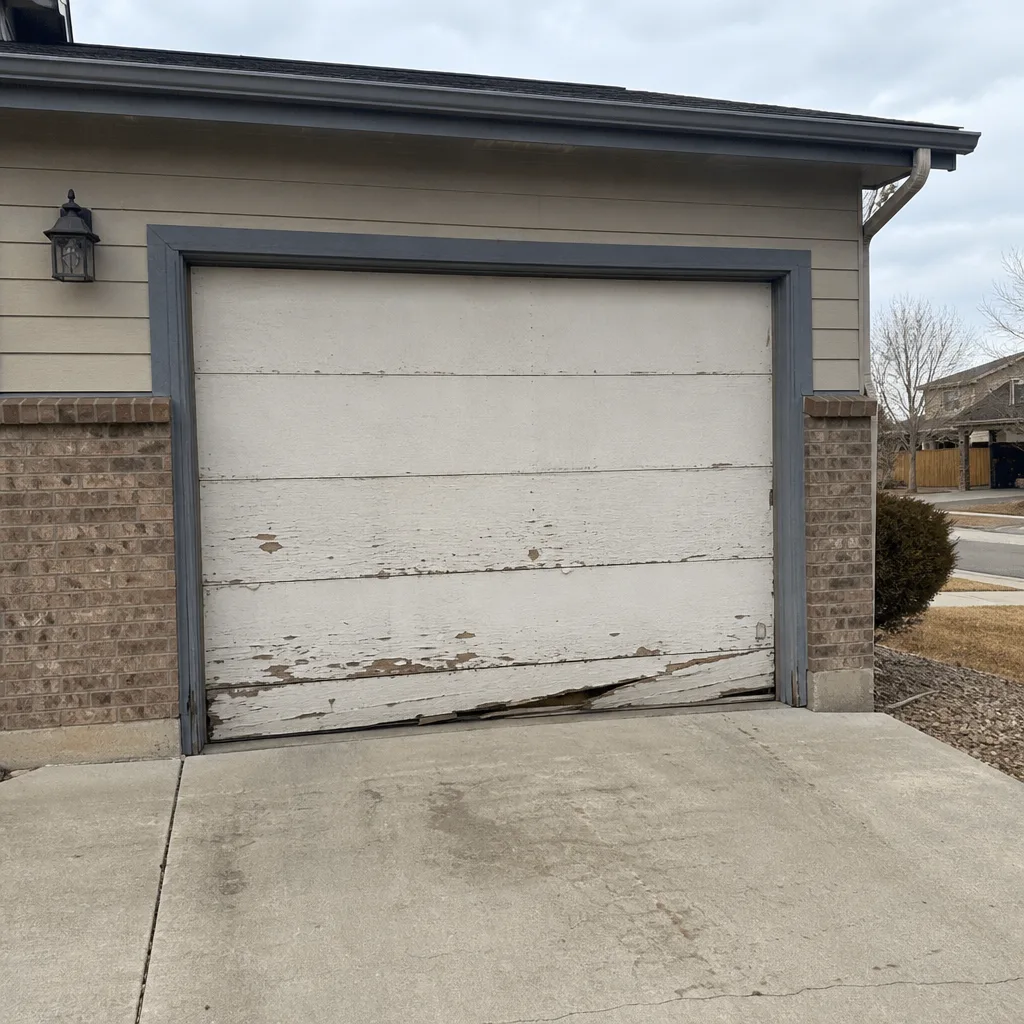 Before
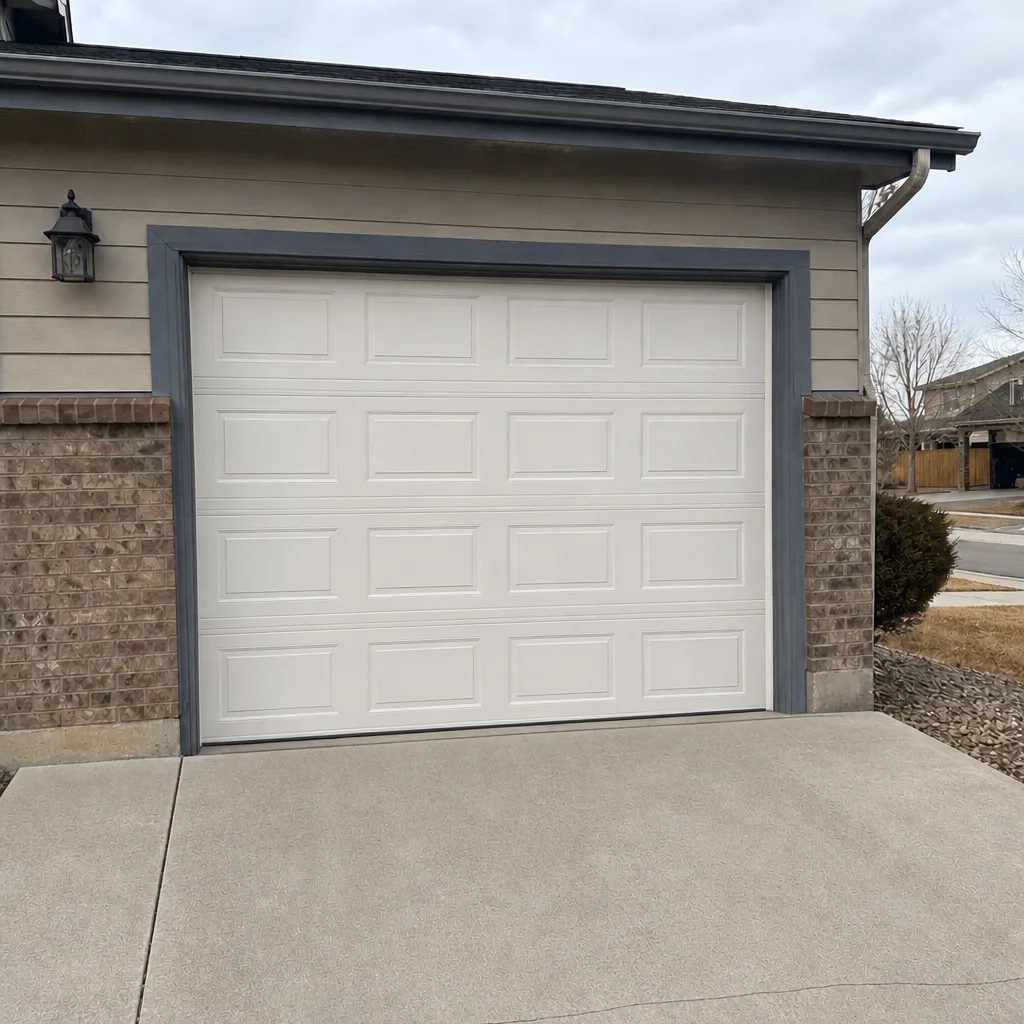 After
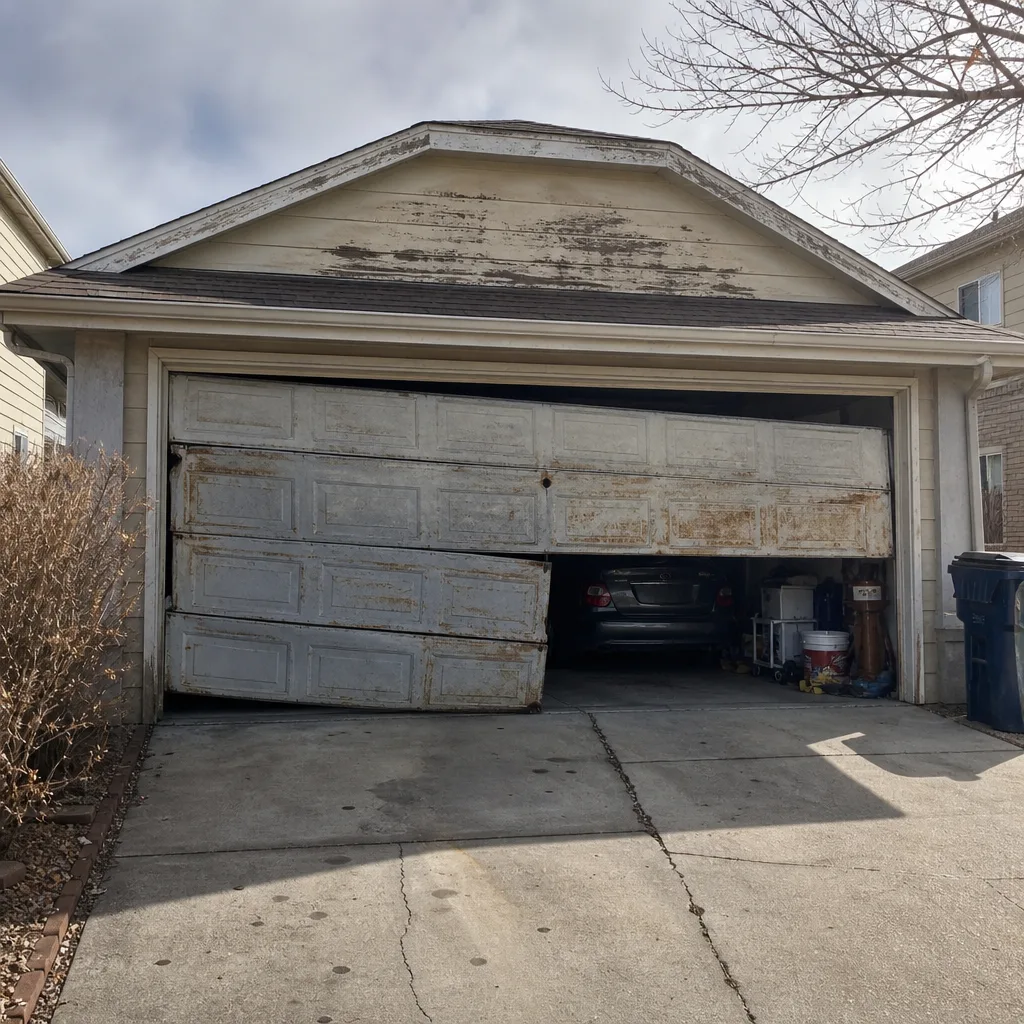 Before
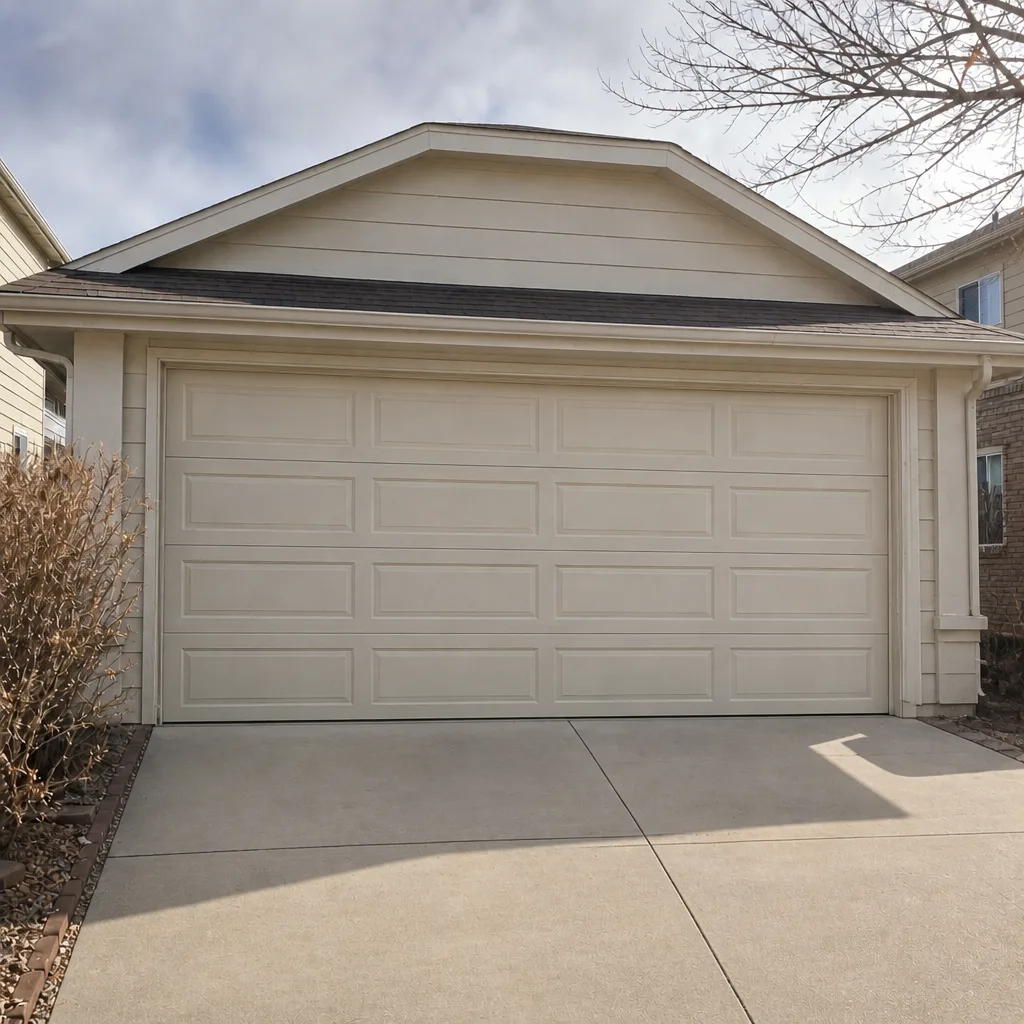 After
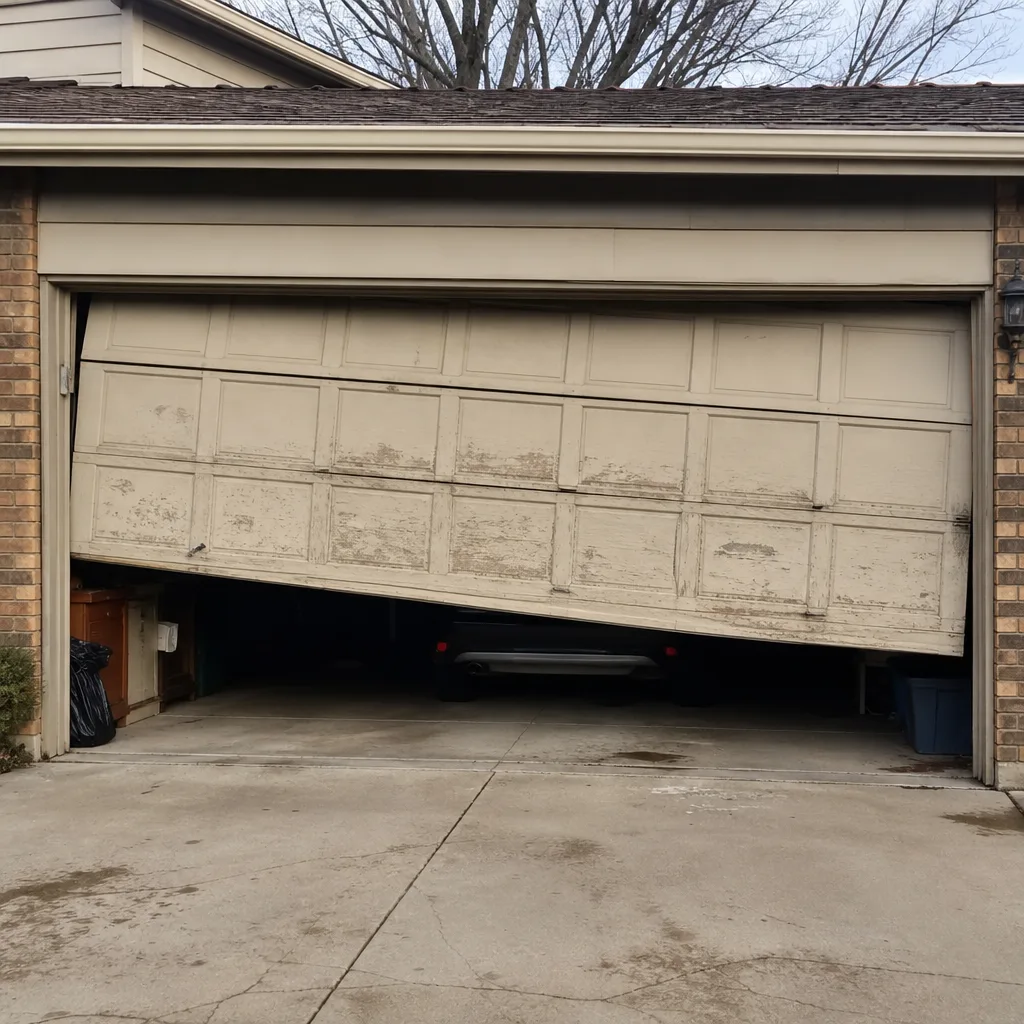 Before
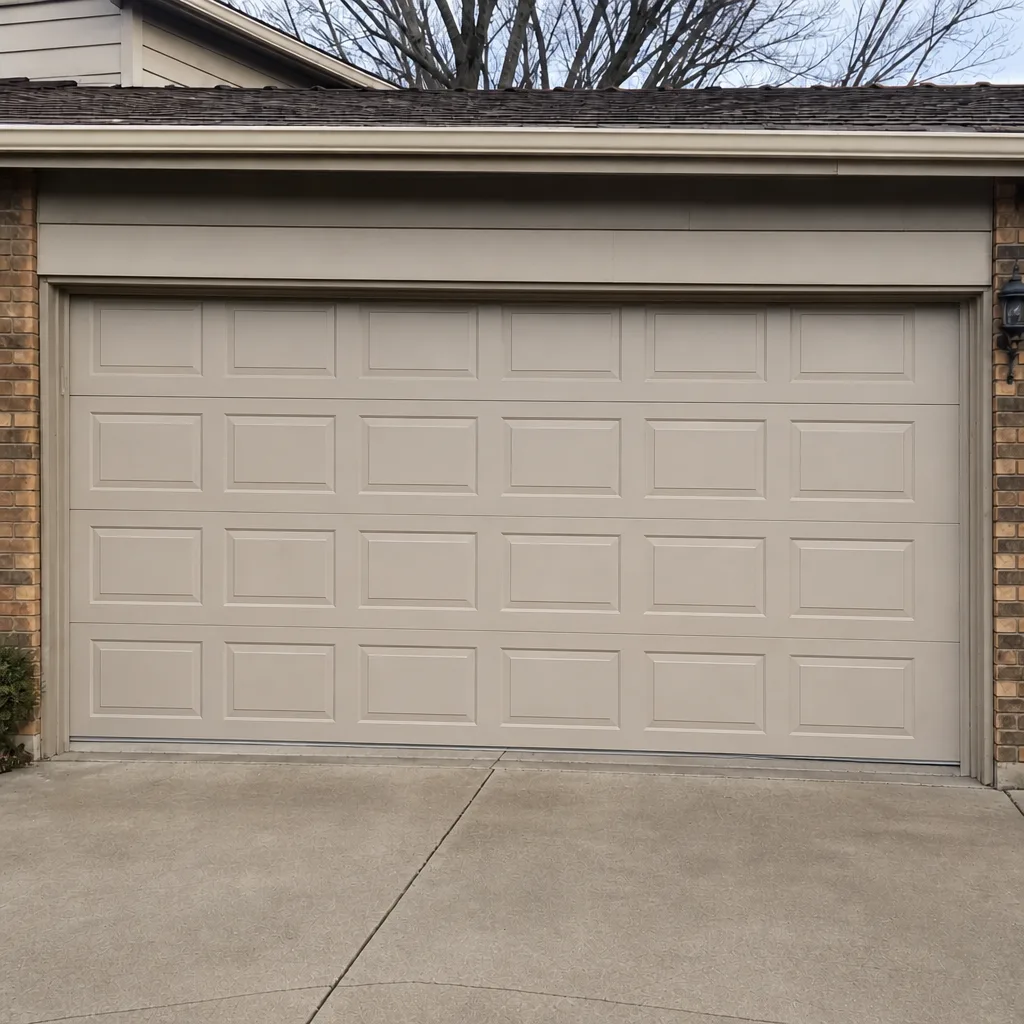 After
When to Call a Professional
Call a professional for anything involving a broken spring, a cable, a door off its track, a bent track that won’t release the roller, or an opener that hums but doesn’t move the door. These are the situations where the danger is real and the fix requires the right tools and experience. For a frozen seal or a door that just won’t open one cold morning, you may be able to handle it – but if you’re not sure, calling costs nothing. Our technicians have up to 15 years of experience and can diagnose the situation over the phone in most cases. Garage Door Repair Green Valley Ranch offers free estimates in Green Valley Ranch – call (855) 337-1312. We answer 24/7. Fast dispatch from 7am to 7pm, Sunday through Friday, and we’re closed on Saturday. We work on the brand you already have – LiftMaster, Chamberlain, Genie, Clopay, Amarr, Wayne Dalton, Craftsman, or Raynor – and parts for most of them are sourced through us so the fix isn’t waiting on a reseller. Pricing is always quoted and agreed before any work starts.
Frequently Asked Questions
A loud bang followed by a door that feels very heavy in manual mode almost always means a broken spring. The door will lift a few inches and stop, and you’ll usually see a gap in one of the torsion springs above the door or a stretched extension spring on one side. If the door lifts normally but won’t close, that’s usually an opener or sensor issue, not a spring. If you’re not sure, stop cycling the door and call (855) 337-1312 for a free estimate.
Yes, every residential opener made in the last several decades has a manual release cord – it’s a safety requirement, not a feature. The cord’s location and shape vary by brand, but the trolley-mounted design is standard across the LiftMaster, Chamberlain, Genie, Wayne Dalton, Raynor, and Craftsman openers we service. Some very old or commercial openers are the exception, but if you have a standard residential door, the release exists and you should find it before you need it.
A frozen seal makes the door stall at the bottom, sticking to the slab. A frozen track makes the door move unevenly, catching on one side with a grinding or binding sound. The seal issue is at the door’s base; the track issue is at the door’s edge. Seal problems are usually safe to handle yourself; frozen tracks can pop a roller out, so stop the door if you feel resistance and call if you can’t access the track safely. Call (855) 337-1312 for an exact quote – estimates are free.
A door off its track is an urgent situation and we prioritize it. We answer 24/7 and dispatch Sunday through Friday, 7am to 7pm. If you’re calling outside that window, we’ll book you into the next available slot. In the meantime, keep everyone clear of the door and don’t try to lift it. Call (855) 337-1312 to get a technician scheduled.
We quote the price before any work starts, and the written estimate is what sets the final price. If we find something else while we’re on-site, we tell you and quote it separately before we touch it. There’s no surprise invoice and no charge for the estimate. Call (855) 337-1312 to get a quote.
The local pros we connect you with are licensed and insured as their state requires, and our technicians have up to 15 years of experience with residential garage doors. We’re qualified to service and repair LiftMaster, Chamberlain, Genie, Clopay, Amarr, Wayne Dalton, Craftsman, and Raynor products – so we’re working with the system you already have, not a substitute. Call (855) 337-1312 for a free estimate.
The Bottom Line
Three categories, three protocols. Weather emergencies get a visual check before you touch anything. Power outages get the manual release – find the cord now, so you’re not searching in the dark. Mechanical failures get a stop-and-call, because springs and cables aren’t DIY work. Green Valley Ranch winter weather makes all three more likely, and the preparation takes thirty minutes. If you take one thing from this guide, make it the practice pull on your manual release – that’s the step most homeowners skip and the one that rescues the most mornings. The right response is the one you’ve already rehearsed.
Written by the team at Garage Door Repair Green Valley Ranch.
When a garage door emergency hits, call (855) 337-1312 for a free estimate. We answer 24/7. Fast dispatch from 7am to 7pm, Sunday through Friday. The price is always quoted and agreed before any work starts, and we work on the brand you already have.