
Last updated November 22, 2026
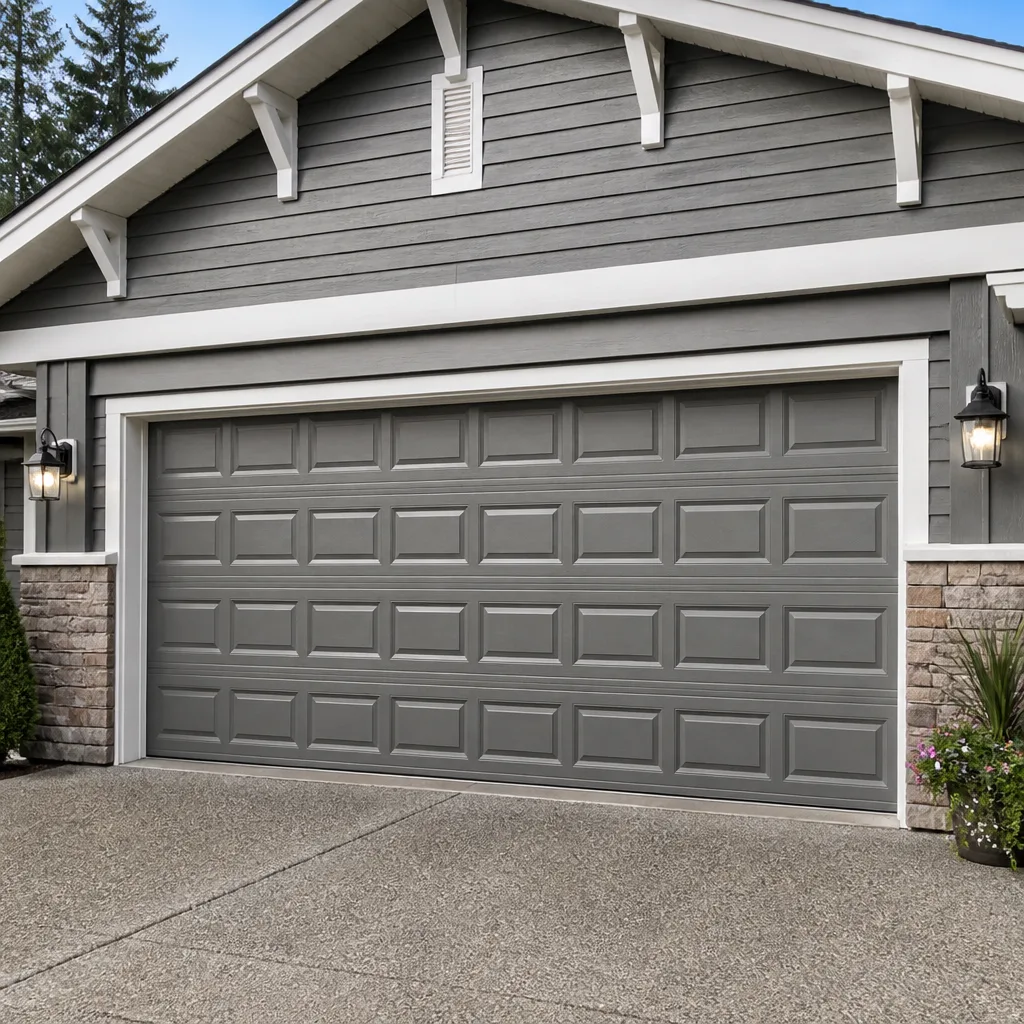 Raised-panel steel
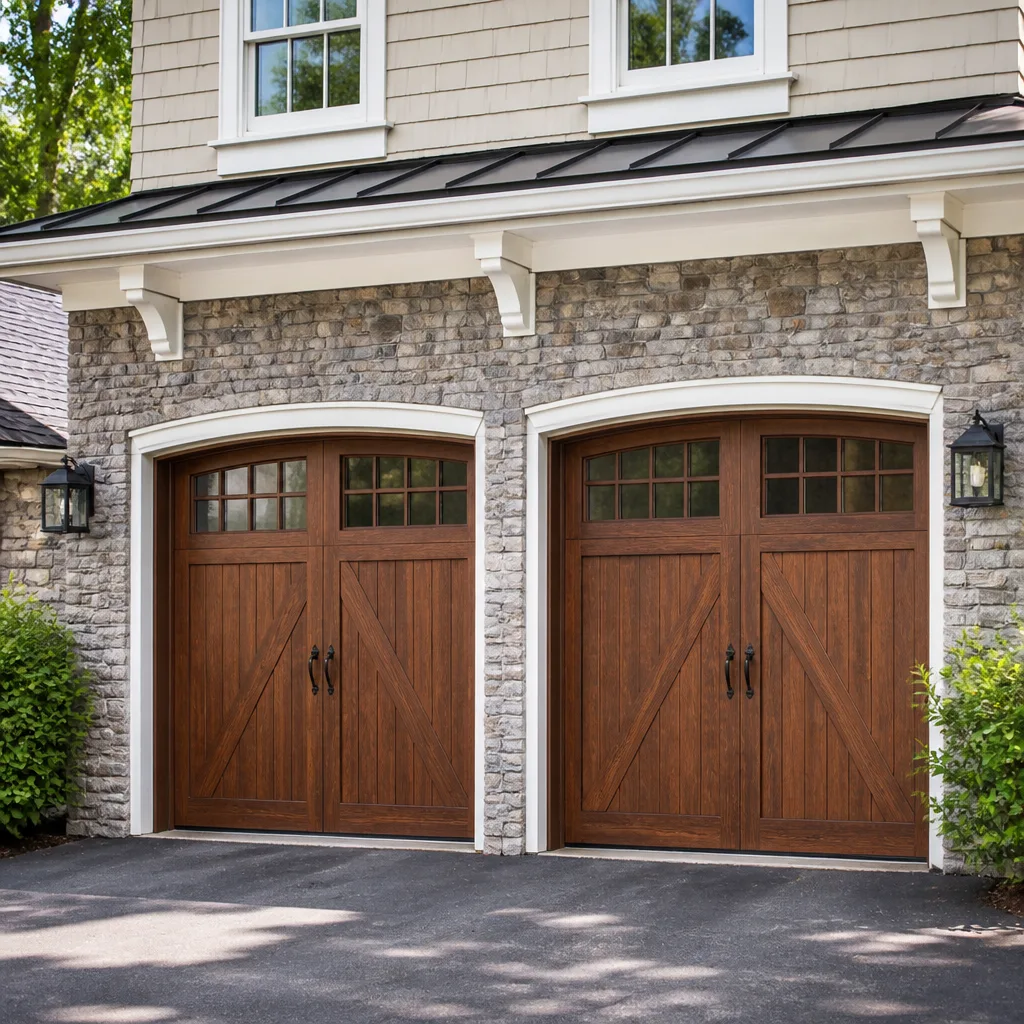 Carriage house
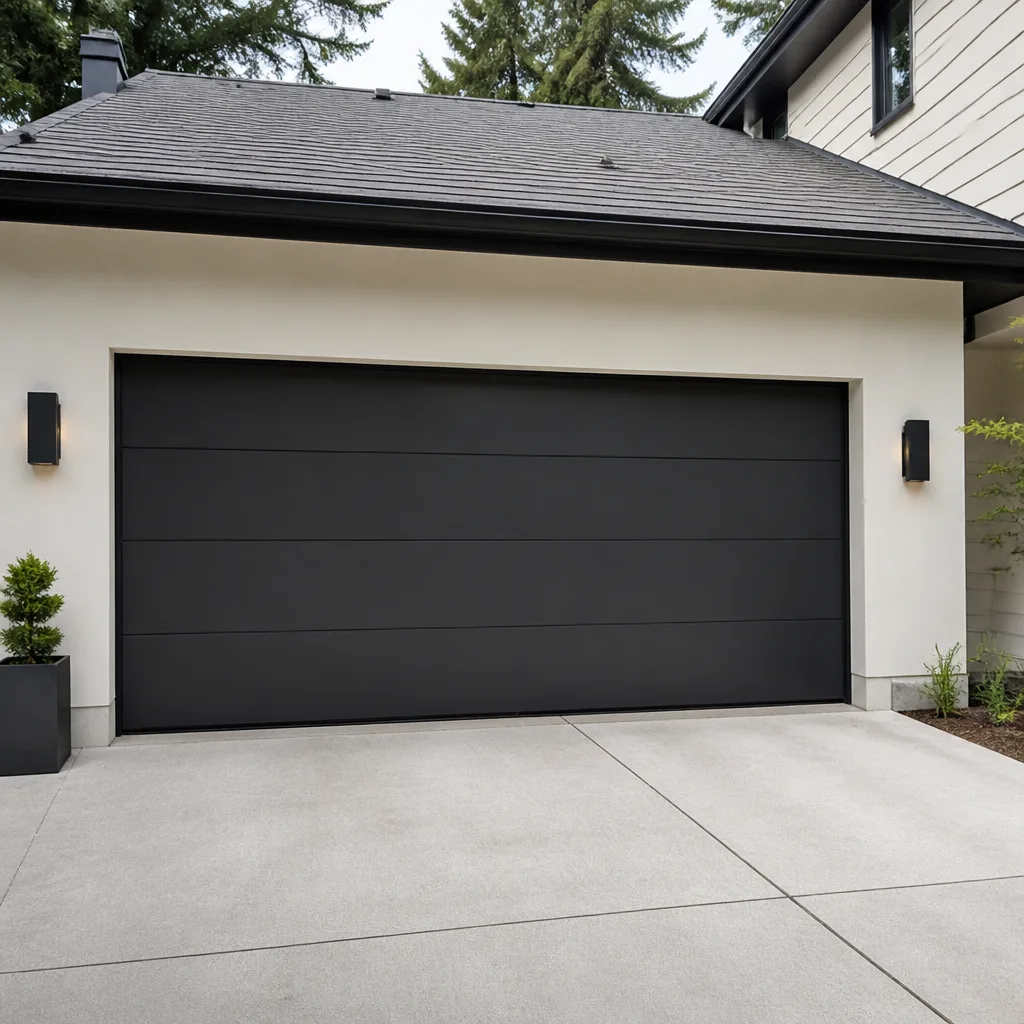 Modern flush
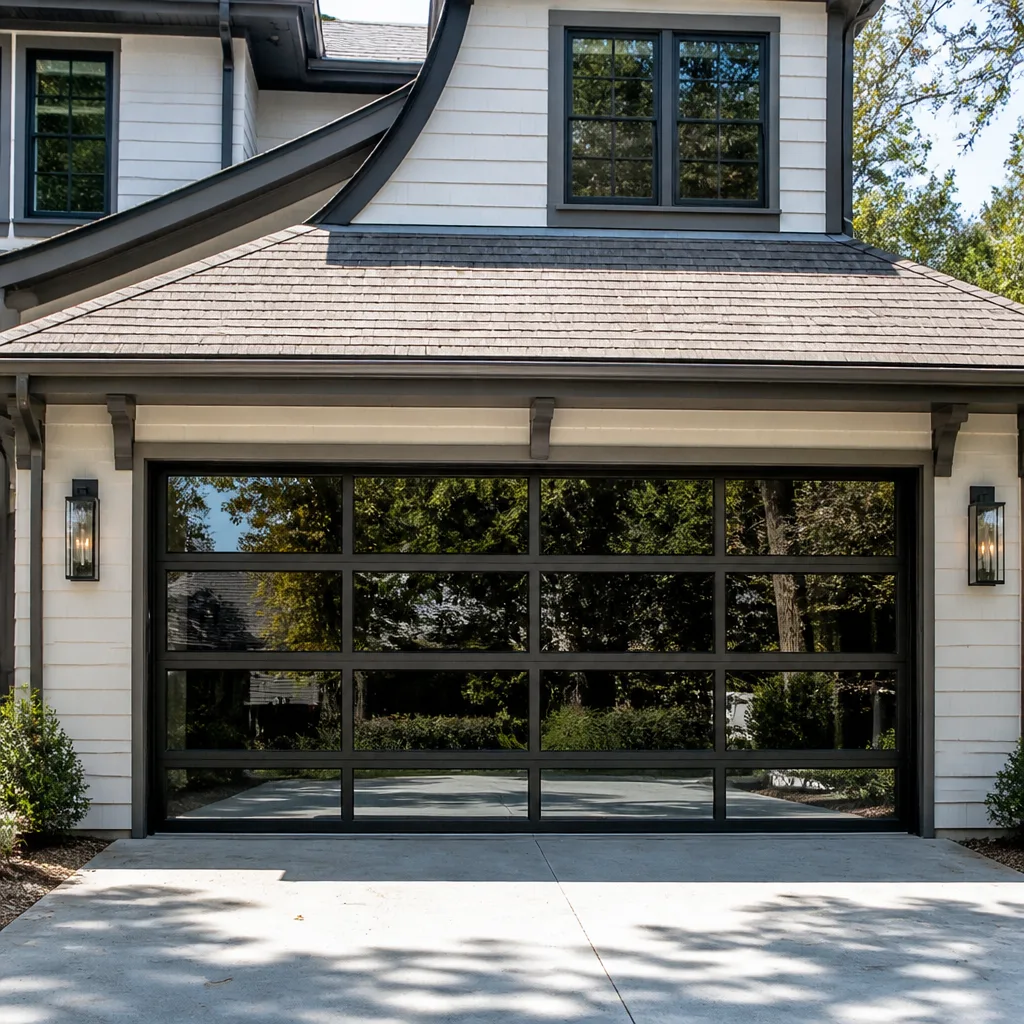 Full-view glass
 LiftMaster openers
 Chamberlain openers
Full 25-point door and opener safety check with every visit - springs, cables, rollers, tracks, and your LiftMaster or Chamberlain opener included
You get a price before we start. It does not change when the pro arrives.
Get your free estimateGarage Door Permits, Codes & Inspections in Green Valley Ranch, CO: What You Need to Know
Most homeowners assume a garage door replacement is a simple swap that never involves the city. That’s half right. Swapping panels or a like-for-like door usually needs no permit at all, but widen the opening, change the header, or add a powered opener to a build that never had one, and you’re suddenly in permitting territory. Green Valley Ranch sits inside Denver’s permitting jurisdiction, which means the rules that apply here are Denver’s, not a separate suburban code. This guide walks through exactly which garage door projects trigger a permit in Green Valley Ranch, which ones don’t, how the inspection process works, and why skipping the permit can come back to bite you at resale.
Quick Answer
In Green Valley Ranch, standard garage door replacement and like-for-like spring or opener swaps generally don’t require a permit, but structural changes to the opening, new header work, or adding a powered opener where none existed can trigger one under Denver’s building rules. Green Valley Ranch falls within Denver County’s permitting jurisdiction, so you check requirements and pull permits through the city’s online permit portal or by calling Denver’s building department directly. When in doubt, ask the city before the work starts, not after.
Styles & brands we work with
- Raised-panel steel
- Carriage house
- Modern flush
- Full-view glass
- LiftMaster openers
- Chamberlain openers
Table of Contents
- What Garage Door Work Requires a Permit in Green Valley Ranch?
- What Garage Door Work Doesn’t Require a Permit?
- How Denver’s Permitting Jurisdiction Applies to Green Valley Ranch
- Do New Garage Door Openers Need a Permit?
- What Inspectors Actually Check on a Garage Door Installation
- HOA Approval vs. City Permit: Which Comes First?
- How Unpermitted Garage Door Work Surfaces at Resale
- Common Mistakes to Avoid
What Garage Door Work Requires a Permit in Green Valley Ranch?
You need a permit when your garage door project changes the structure of the building, not just the door itself. The dividing line is straightforward: if the work involves the opening, the framing, or the electrical system, expect permitting to come into play. If it’s a straight replacement of the door or a repair to an existing component, you generally don’t.
Here’s how we explain it to homeowners across Green Valley Ranch: think about what the inspector would need to verify. A permit is about the city confirming the structure is safe and the electrical work is sound. A new door in an existing opening doesn’t change either of those. A wider opening changes both.
Projects that typically trigger a permit in Green Valley Ranch include:
- Widening or heightening the garage door opening. Anytime you cut into the framing or modify the header, you’re affecting the structural load above the opening. That’s a permit.
- Replacing or reinforcing a structural header. The header is the beam that carries the load of the wall above the opening. If it gets replaced, resized, or sistered, permitting applies.
- Adding a new powered opener to a build that never had one. Connecting a new circuit and installing a motorized unit where only a manual door existed can require electrical permitting.
- Converting a garage into living space or closing off an opening. This falls under a different permit category entirely, but it’s still a permit.
- New construction with an attached garage. Any new garage door installation on a new build gets inspected as part of the overall build permit.
The nuance here matters. A homeowner who replaces a worn-out door in an existing opening with a same-size model is in a completely different category from someone who decides to add two feet of width because they bought a bigger truck. Same word (“replacement”), very different permitting path. Know which one you’re doing before you order the door.
What Garage Door Work Doesn’t Require a Permit?
The vast majority of garage door work we see in Green Valley Ranch needs no permit at all. That’s worth stating plainly because permit anxiety causes some homeowners to skip maintenance work that would otherwise extend the life of their door.
Work that typically requires no permit:
- Replacing the door with a same-size door in the existing opening. Unless you’re changing the opening, you’re just swapping panels and hardware.
- Spring repair or replacement. Torsion and extension springs are wear items. Swapping them out is a repair, not a structural change.
- Opener repair or replacement on an existing opener circuit. If the circuit and mounting are already there, replacing a burned-out unit is repair work.
- Cable, roller, hinge, and track repair. Routine mechanical repairs don’t touch structure or electrical.
- Panel replacement. If one section of a Clopay or Amarr door is dented, you replace that section. No permit.
- Weatherstripping, bottom seal, and trim work. These are finish items.
One caveat: local HOAs and some municipalities can add their own layer of rules on top of the building code. That’s a separate thing from the permit. We cover that further down. For the city permit itself, repair work and like-for-like replacement are generally exempt.
If you’re ever uncertain whether a repair crosses into permit territory, the answer isn’t to guess. Call Denver’s building department or ask us before the work begins. We’re happy to talk through what a specific job involves so you know what you’re dealing with. Our Garage Door Repair Green Valley Ranch team handles both the permit-neutral repairs and the installation work that might need one, and we’ll tell you which side of the line you’re on.
How Denver’s Permitting Jurisdiction Applies to Green Valley Ranch
Green Valley Ranch isn’t its own incorporated city. It’s a neighborhood in far northeast Denver, within Denver County, and that means the City and County of Denver handles building permits and inspections here. Every permit question for a Green Valley Ranch garage door project runs through Denver’s Community Planning and Development department.
Here’s what that means in practice:
- Check the requirement on Denver’s online permit portal. The city runs a self-service portal where you can look up what triggers a permit, see fee schedules, and submit applications. Search for the garage door or structural work you’re considering.
- Call Denver’s building department if the portal answer isn’t clear. The permit counter and phone line are the definitive source for edge cases. Ask specifically about the scope of your project: widening an opening, header work, new opener wiring. Give them the details, not a summary.
- Submit the application before work starts. Permits are pulled and approved before the work. Pulling one retroactively is possible but harder and more expensive.
- Schedule the inspection after the work is done but before it’s closed up. For structural work, the inspector needs to see the framing. For electrical, they need to see the wiring before drywall goes back.
- Keep the final inspection record with your home’s paperwork. You’ll want it when you sell.
One more thing about Green Valley Ranch specifically: the neighborhood has grown quickly, with a mix of newer builds from the last two decades and a smaller number of older homes on the eastern edge. Newer builds sometimes have less clearance above the garage door opening than older construction, which is exactly the kind of detail that affects whether a homeowner can widen an opening without altering the header. What looks like a simple change can turn into structural work fast. That’s a conversation with the building department, not a guess.
Do New Garage Door Openers Need a Permit?
Usually not, but there are three situations where a new opener does trigger permitting. If you’re replacing a LiftMaster, Chamberlain, Genie, or Craftsman opener in a garage that already had one, the answer is almost always no permit. You’re swapping a unit on an existing circuit and mount. That’s repair work.
A permit becomes necessary when the opener installation involves new electrical work or structural changes:
- Adding a powered opener to a garage that only had a manual door. This means running a new electrical circuit, installing an outlet near the ceiling, wiring a control box, and mounting hardware to structural framing. Permitting may apply to the electrical portion.
- Adding a whole new garage bay. If the garage is gaining a new opening, that’s new construction. The door and opener come along for the ride on a larger permit.
- Modifying the structure to mount a heavy-duty opener. Heavier doors need heavier openers, sometimes with different mounting. If the framing gets reinforced to handle it, put it on the permit application.
For a swap-in replacement, here’s what the work looks like and what you should check:
- Confirm the existing outlet and circuit can support the new unit’s amperage.
- Verify the mounting bracket is attached to solid framing, not drywall.
- Check the safety reverse feature functions when the door meets an obstruction.
- Verify the photo-eye sensors align and trip correctly.
Those last two are the ones homeowners miss. Safety features fail quietly. When an existing opener is replaced, the sensors should be tested the same day, not “checked sometime.” If you’re doing garage door opener repair instead of replacement, the same checks apply. Most opener repair doesn’t need a permit because it doesn’t touch wiring or structure, but it should still leave you with working safety features.
What Inspectors Actually Check on a Garage Door Installation
When a permit is pulled for a garage door project, the inspector isn’t looking at the door finish. They’re confirming structural integrity and code compliance on the components that matter. In our experience working on doors across Green Valley Ranch, the same two issues come up most often on existing installs that get inspected during a change of scope.
What inspectors look at:
- Header size and installation. The load-bearing beam above the opening has to be correctly sized and supported. Any signs of undersized or improperly installed headers get flagged.
- Framing and ledger attachment. The track brackets and header brackets need to be attached to actual framing, not just sheathing or drywall.
- Electrical work. For opener installations, the circuit, outlet, and wiring need to meet electrical code. This is where most defects surface on new powered installations.
- Door operation and safety. The inspector verifies the door opens and closes without binding and that the safety reverse functions.
- Fire separation (when applicable). Attached garages have fire separation requirements and the inspector checks what’s visible.
The two most common code issues we encounter on existing installs in the Green Valley Ranch area are undersized headers over the garage opening, often on older or remodeled homes where a previous widening wasn’t permitted, and inadequate fire separation between the attached garage and the living space above or beside it. The second one especially catches homeowners by surprise because it has nothing to do with the door itself. It surfaces during inspection because that’s when someone’s eyes are on the wall.
The important thing about inspection failures: they’re fixable, but the fix is far cheaper before the drywall is closed up or before a homeowner finds out at resale. That’s the case for pulling the permit in the first place when the work calls for one.
HOA Approval vs. City Permit: Which Comes First?
They’re two separate approvals for two separate concerns, and in Green Valley Ranch, many homes are governed by an HOA on top of Denver’s building rules. The HOA approval preserves community design standards. The city permit preserves building safety and code compliance. You need both when the project involves an exterior change or structural work, and the HOA usually comes first.
Here’s the order that avoids problems:
- Get HOA architectural review approval first. The HOA reviews the door style, color, glass panel configuration, and any change to the visible exterior of the home. Most HOAs require the application before installation and want the specification or model number. If the HOA denies a design choice, you’re not stuck with an applied-for permit for a job that won’t happen.
- Then check whether the city needs a permit. With the door style approved, confirm with Denver’s building department whether the scope of the project requires a permit. If it’s a like-for-like replacement in an existing opening, the answer is usually no.
- Pull the permit if it applies. File the application with the approved HOA design documents in hand, in case the permit reviewer asks for them.
- Schedule the installation. Now you have both approvals on hand, and the installation can proceed with no surprises.
- Arrange the inspection. After the install, for permit-required work, call in the inspection. Keep the final record.
The mistake we see most often is the reversed order: a homeowner pulls the permit for a specific door, orders it, and then the HOA rejects the color because it doesn’t match the neighborhood’s approved palette. Then the permit describes a door that isn’t going on the house. That’s a needless round-trip. Handle the HOA first, then the city.
Some HOAs also restrict what type of opener can be installed (quieter belt drives, for instance, on homes with a bedroom above the garage), and some have opinions about glass panels on doors visible from the street. Read the architectural guidelines before selecting a door model from Clopay, Amarr, or Wayne Dalton. It saves a redesign later.
How Unpermitted Garage Door Work Surfaces at Resale
Unpermitted garage door work is invisible until the house goes on the market, and then it becomes a line item on the inspection report. A buyer’s inspector who sees a widened garage opening with no permit on record asks for documentation. If it doesn’t exist, the transaction can stall while the work gets retroactively permitted or torn back out.
Here’s how it plays out at resale:
- The buyer’s inspector flags the structural change. Widened openings, replaced headers, and any framing work are visible, and an experienced inspector knows what they’re looking at.
- The buyer’s agent requests the permit record. Denver maintains permit records for any address within its jurisdiction, and buyers can look them up. If there’s no record of the structural change, the buyer assumes the work was done without one.
- The seller faces two options. Retroactively permit the work, which means opening up framing for inspection, paying the permit fee, and correcting any defects the inspector finds. Or undo the work and restore the original configuration.
- The deal can fall apart meanwhile. Depending on the buyer’s financing and timeline, either of those options can push closing back or kill the deal.
Retroactive permitting costs more than the original permit would have. The permit fee itself is modest compared to the labor of opening up finished walls, correcting undersized framing, and reinspecting. On a structural project, that’s real money. On a door swap with no structural change, there’s nothing to remedy because no permit was ever required.
The lesson is simple: if the work changes structure, permit it before install. If it’s a like-for-like replacement, sleep easy. garage door installation on a same-size replacement goes in the no-permit bucket almost every time, and the install can proceed without a bureaucratic detour.
The other resale wrinkle: some HOAs require the seller to disclose whether architectural changes were approved by the HOA, not just the city. So even if a garage door change didn’t need a permit, it may still have needed an HOA approval, and the missing record surfaces the same way. Keep every approval document together.
Common Mistakes to Avoid
- Assuming every door replacement needs a permit. Most like-for-like replacements don’t. Pulling an unnecessary permit is a waste of time and money, and it can raise questions you don’t need to answer. Confirm the scope first.
- Assuming no garage door work ever needs a permit. The opposite error. Widening an opening, replacing a header, or adding electrical for a new opener is permit territory in Denver County. Skipping the permit leaves a paper trail problem for later.
- Getting the HOA approval after ordering the door. A rejected color or panel style on an HOA-governed Green Valley Ranch home means a redesign after the permit is already pulled for a door you can’t install. Get HOA first.
- Widening the opening without evaluating the header. Cutting into the framing above the door to gain width is exactly the kind of change that can affect structural load. This isn’t a decision to make with a saw before an inspector’s opinion.
- Doing DIY work on springs or cables to avoid a service call. High-tension springs and cables are genuinely dangerous. A snapped torsion spring under tension can cause serious injury, and getting it wrong can damage the door beyond repair. This is one area where we always recommend a trained professional, permit or no permit.
- Closing up drywall before inspection. If a permit was pulled for structural or electrical work, the inspector needs to see the work before it’s hidden. Closing it up early means opening it back up later.
- Discarding the permit record after the final inspection. You’ll want it at resale. A buyer’s inspector will ask, and a documented permit answers the question immediately instead of starting a weeks-long argument.
See the difference
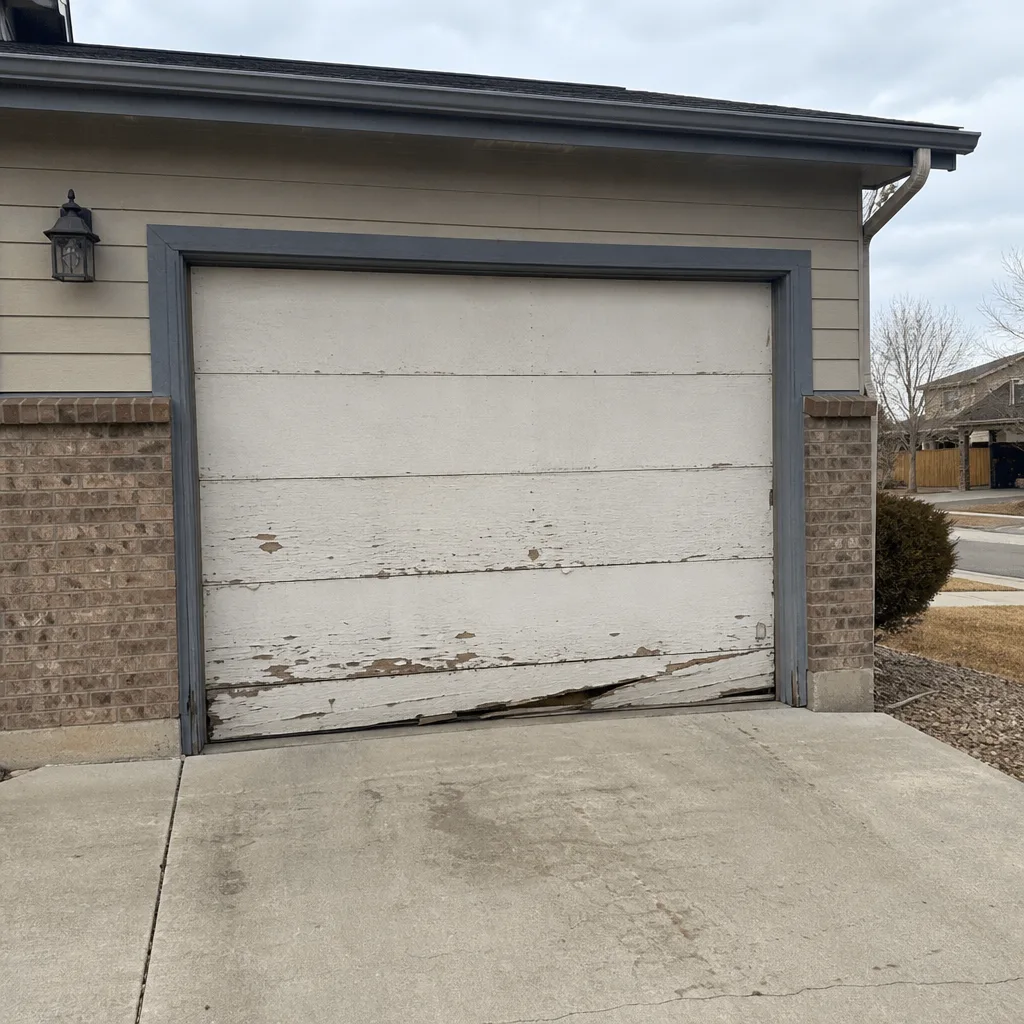 Before
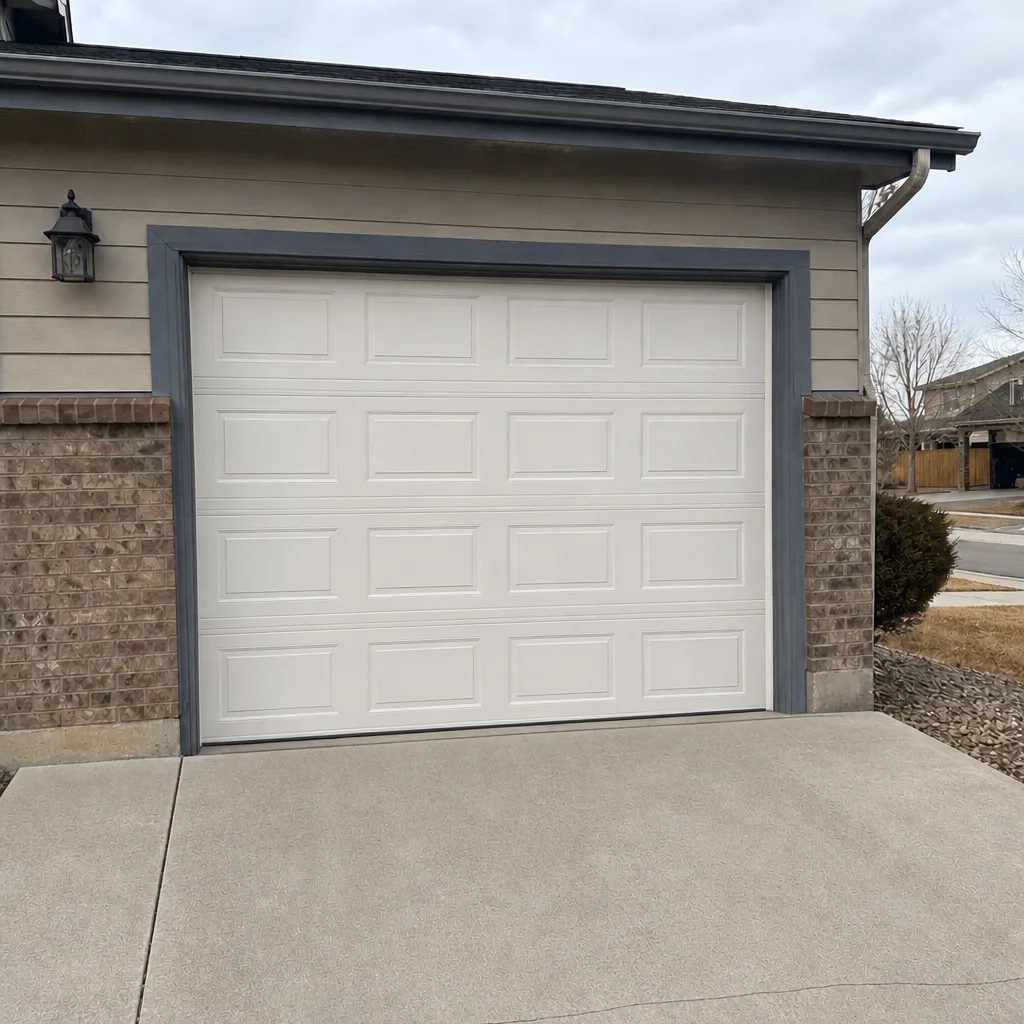 After
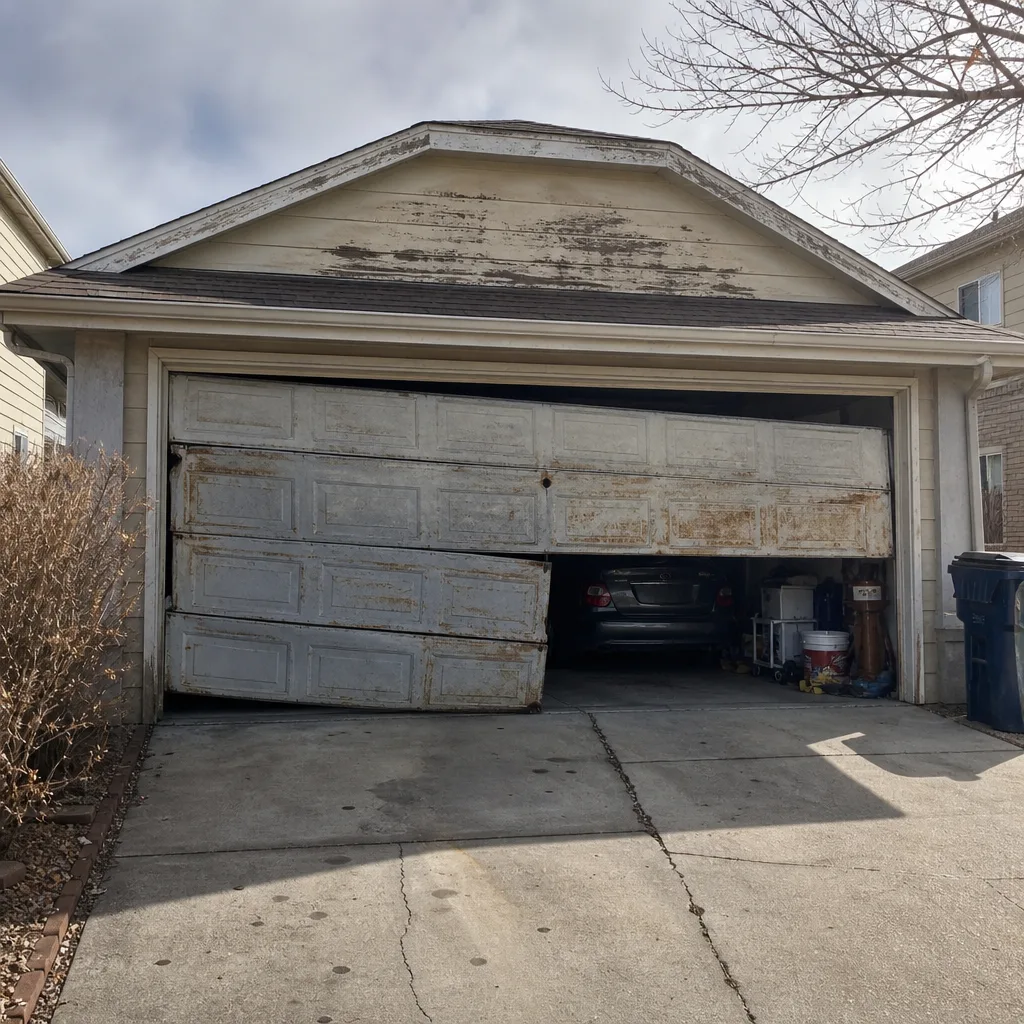 Before
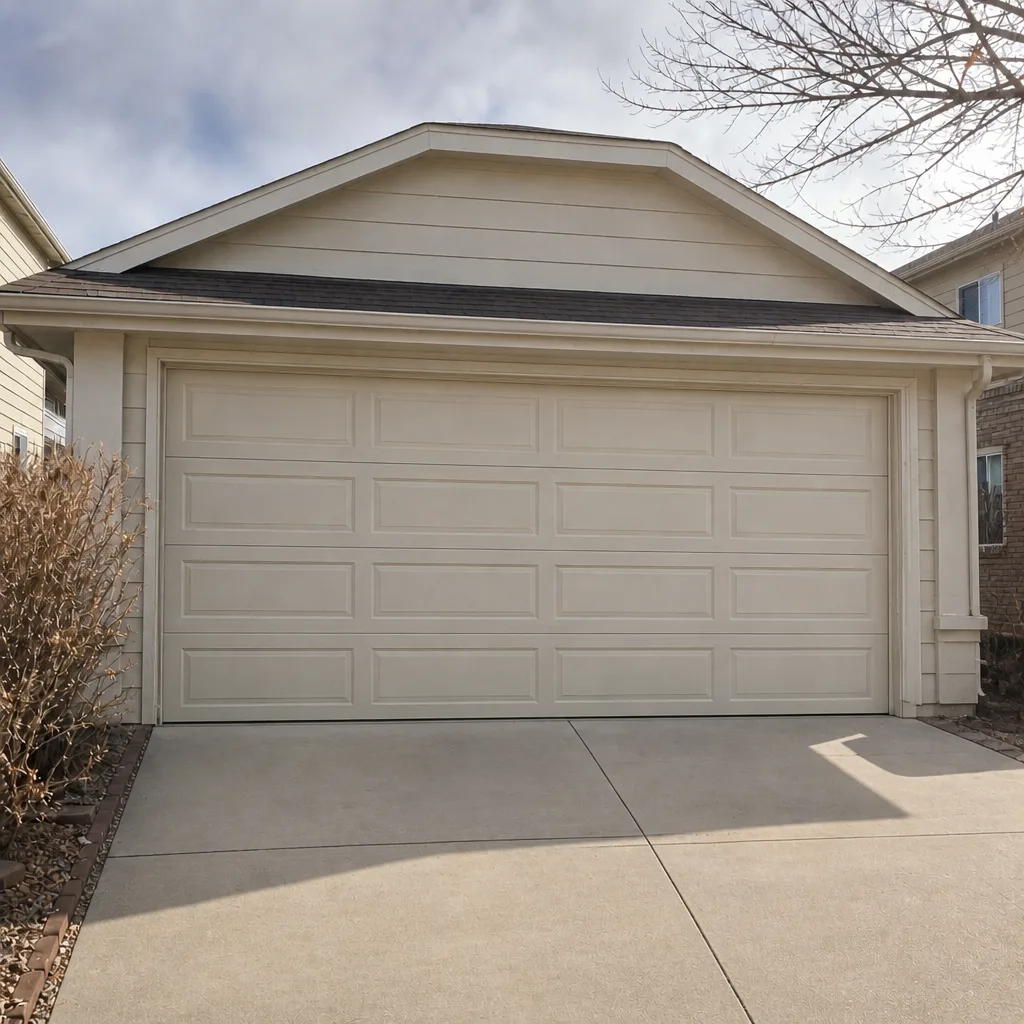 After
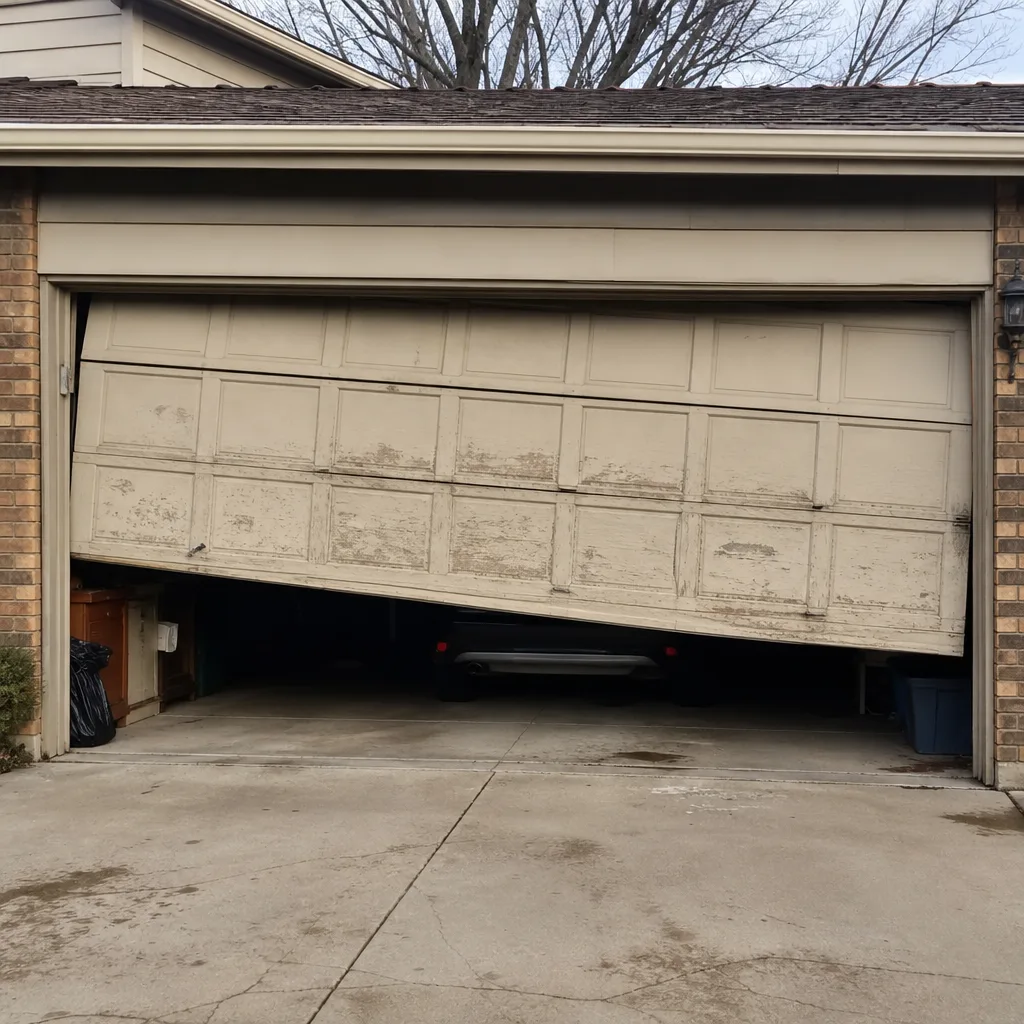 Before
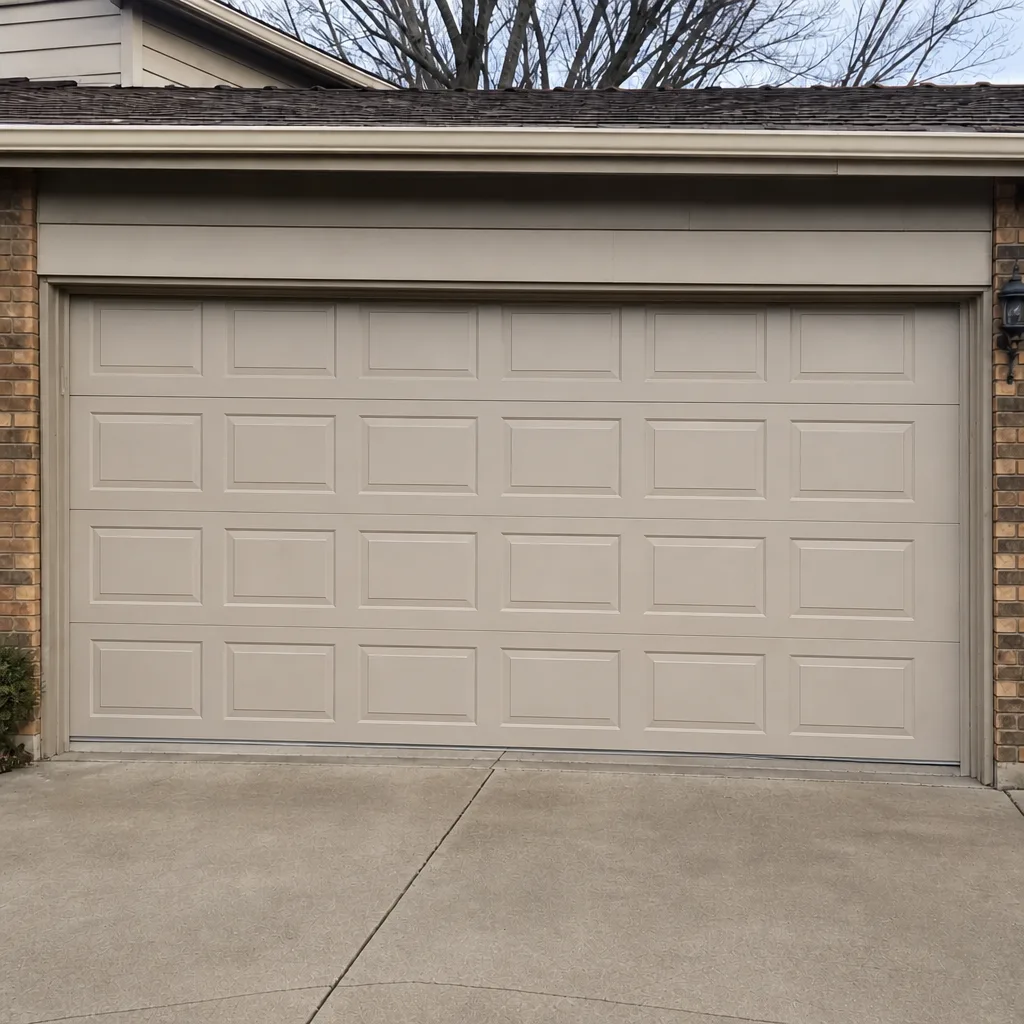 After
When to Call a Professional
Call a professional for anything involving high-tension springs, cables under load, and any structural change to the opening. Those three carry real risk and deserve an experienced hand. You should also call when the door is off its track, when the opener stops responding after a storm, or when you’re not sure whether a repair has crossed into permit territory.
If the door won’t open at all, we answer 24/7. Fast dispatch from 7am to 7pm, Sunday through Friday. A call outside dispatch hours is booked into the next opening.
For replacements and structural work, we walk you through what your project actually involves so you can make a permit decision with real information in front of you. Garage Door Repair Green Valley Ranch offers free estimates in Green Valley Ranch. Call (855) 337-1312.
Our technicians have up to 15 years of experience across the major brands, and we work with the brand you already have, whether that’s Clopay, Amarr, Wayne Dalton, Craftsman, or another system. Springs, openers, panels, parts – handled in one visit where possible.
Frequently Asked Questions
No, not for a like-for-like replacement in an existing opening under Denver’s rules. Swapping the door or panels without changing the opening, header, or electrical system is generally exempt from permitting. Call (855) 337-1312 for an exact quote if you’re planning a replacement – estimates are free.
It depends on whether the opener involves new electrical work or structural changes. Replacing an existing opener on an existing circuit almost never needs a permit. Adding a powered opener to a garage that only had a manual door means running a new circuit, and that electrical work may require a permit through Denver’s building department. Call (855) 337-1312 to talk through your specific situation – estimates are free.
The work can be retroactively permitted, but retroactive permitting is more expensive and more invasive than pulling the permit up front. It’s also the kind of issue that surfaces at resale when a buyer’s inspector flags the structural change and asks for the permit record. Call (855) 337-1312 if you’re worried about existing work and want a technician’s read on what you’re looking at – estimates are free.
Only if new electrical work is being installed as part of the job. A like-for-like opener swap on an existing circuit generally doesn’t trigger electrical permitting or inspection. New circuits, new outlets, and new wiring do. Ask Denver’s building department if you’re unsure what your project involves.
Yes, if your home is HOA-governed, the change to the exterior of the home almost always needs HOA architectural review approval before installation. That’s a separate approval from the city permit. Get the HOA approval first, then check with the city on permit requirements. Call (855) 337-1312 if you want help reading what a specific door style involves – estimates are free.
No. Spring repair and replacement is routine mechanical repair and doesn’t involve structure or electrical work, so it doesn’t trigger permitting in Denver County. Springs are still a safety matter, though, and we always recommend using trained technicians. Call (855) 337-1312 – estimates are free.
The Bottom Line
Most garage door work in Green Valley Ranch doesn’t need a permit. Like-for-like replacement, spring repair, opener swaps, and panel changes are repair work, not construction. The line moves when the project changes the structure, involves new electrical, or modifies the opening. Then you’re pulling a permit through Denver’s building department, arranging an inspection, and keeping the record for the eventual sale.
That’s the whole guide in a paragraph: know which side of the line your project sits on, get HOA approval before anything is ordered, and never skip the permit when the work is structural. The permit costs a fraction of the remediation. If the scope is unclear, ask Denver’s building department directly. They’re the source of truth for Green Valley Ranch.
For anything mechanical, structural, or brand-specific – Clopay, Amarr, Wayne Dalton, Craftsman, and the rest of the major systems – we’re here to help. Call (855) 337-1312 for a free estimate. We answer 24/7. Fast dispatch from 7am to 7pm, Sunday through Friday.
Written by the team at Garage Door Repair Green Valley Ranch.