
Last updated November 22, 2026
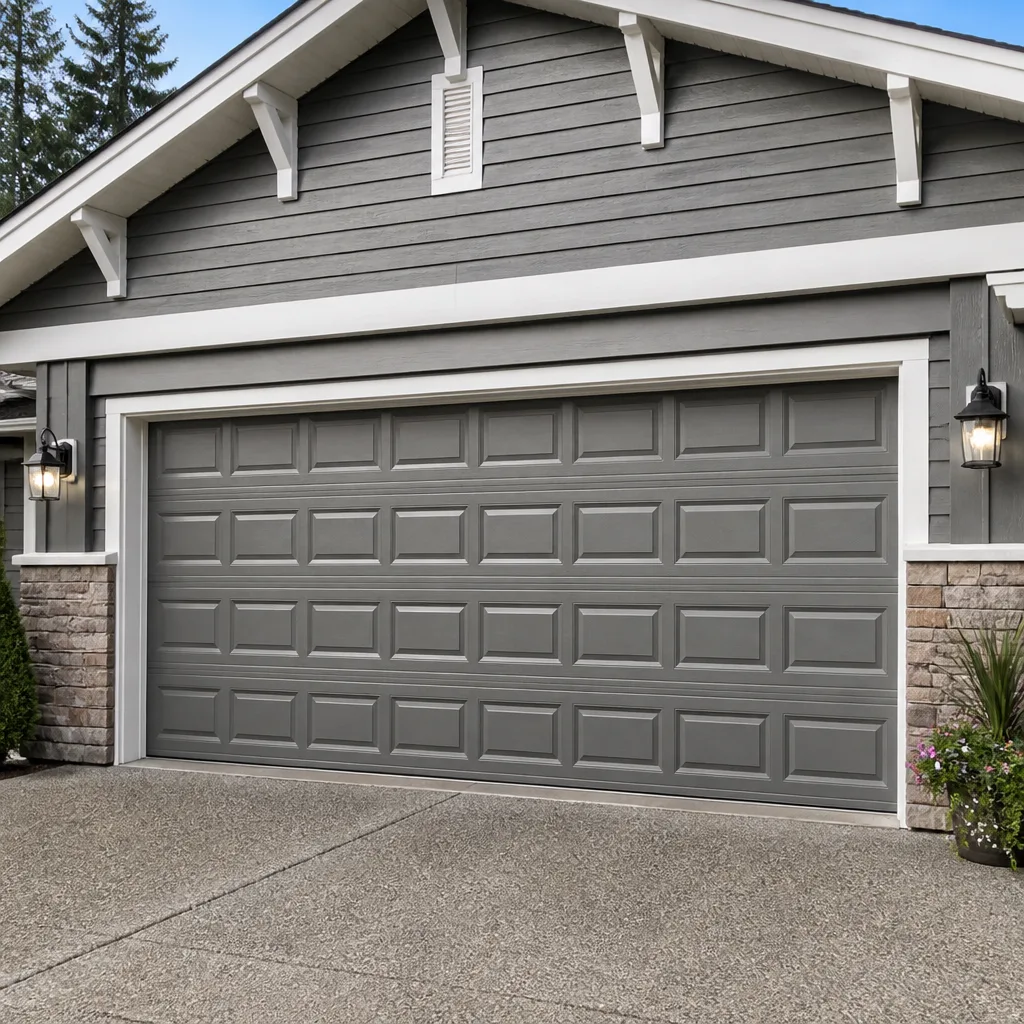 Raised-panel steel
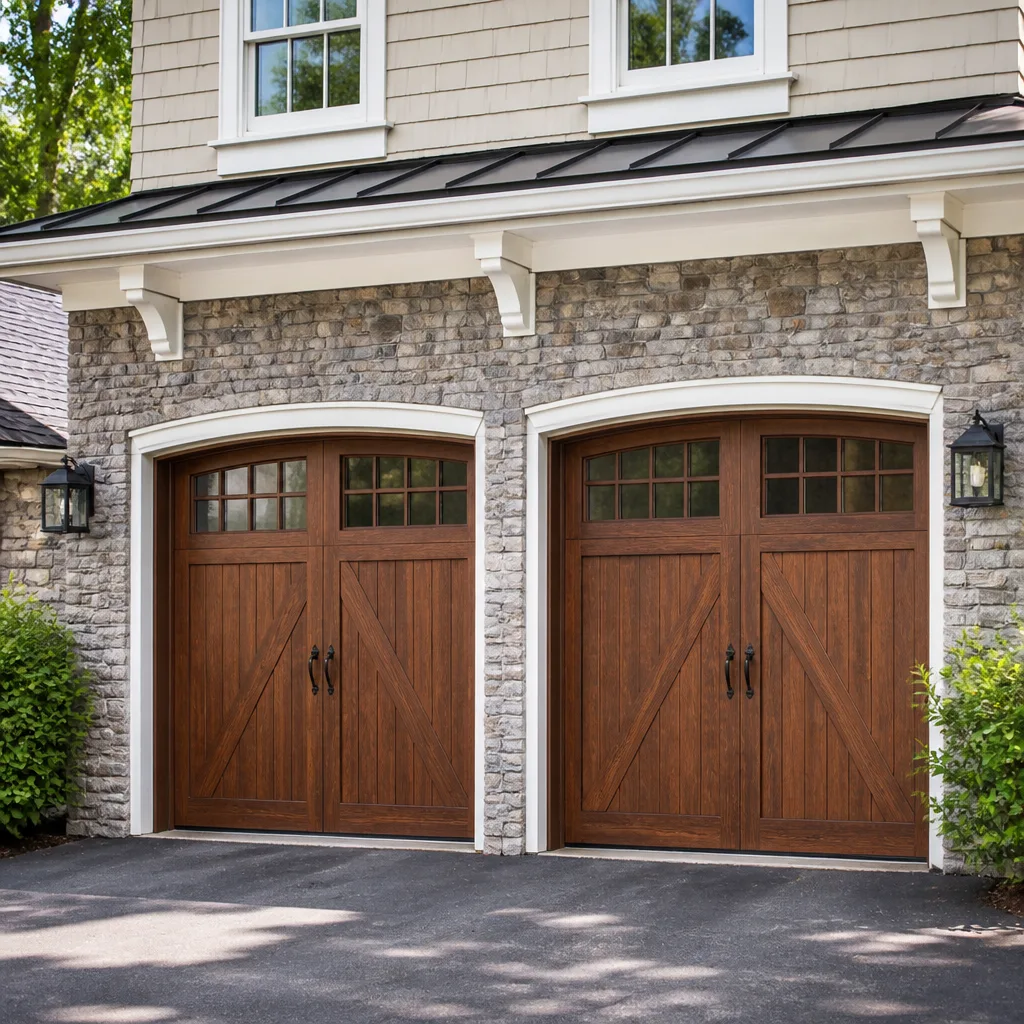 Carriage house
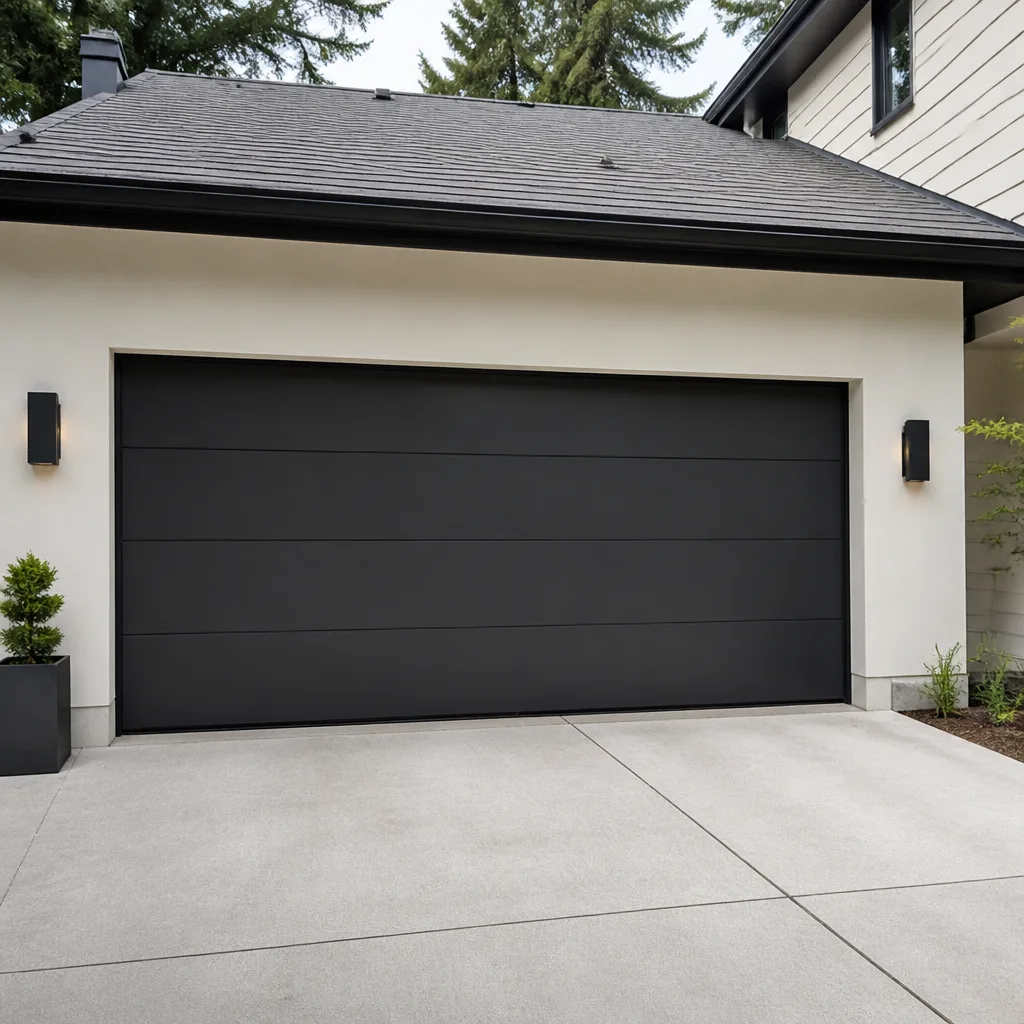 Modern flush
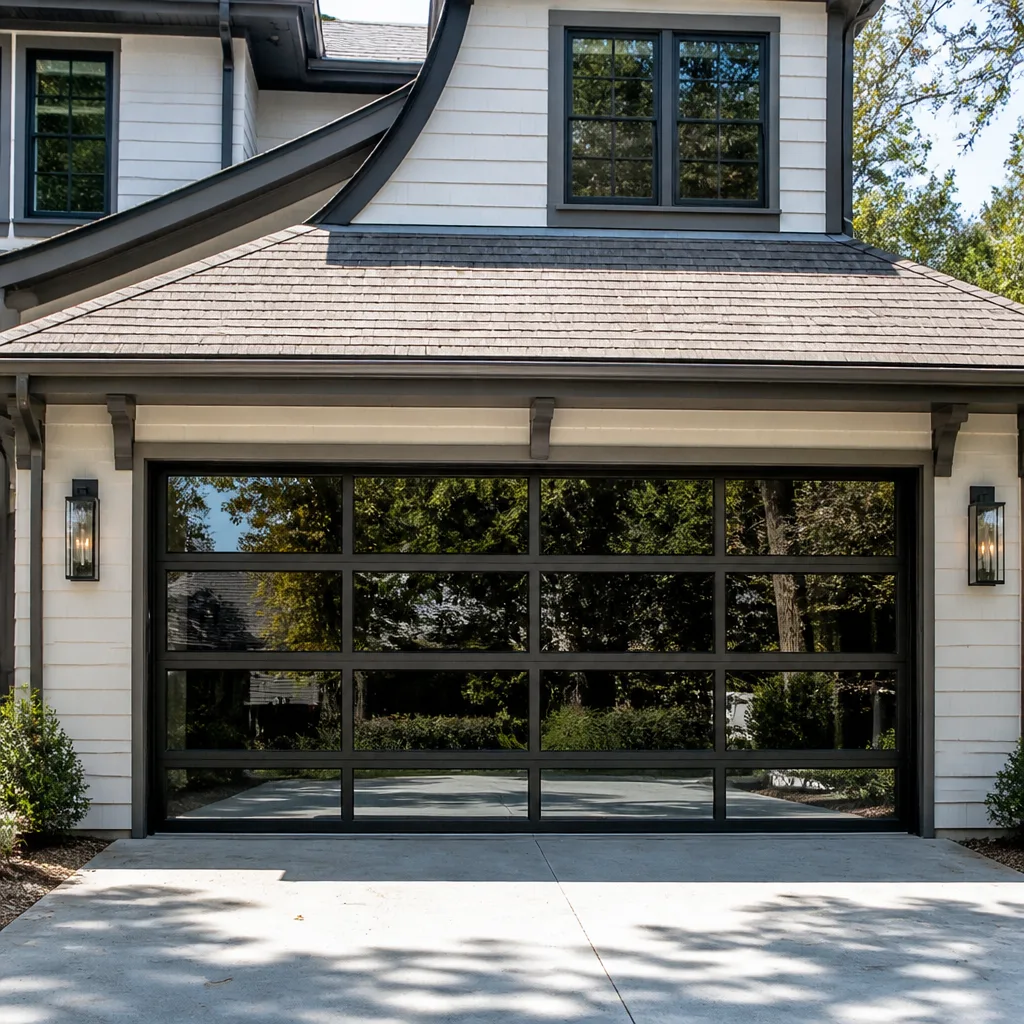 Full-view glass
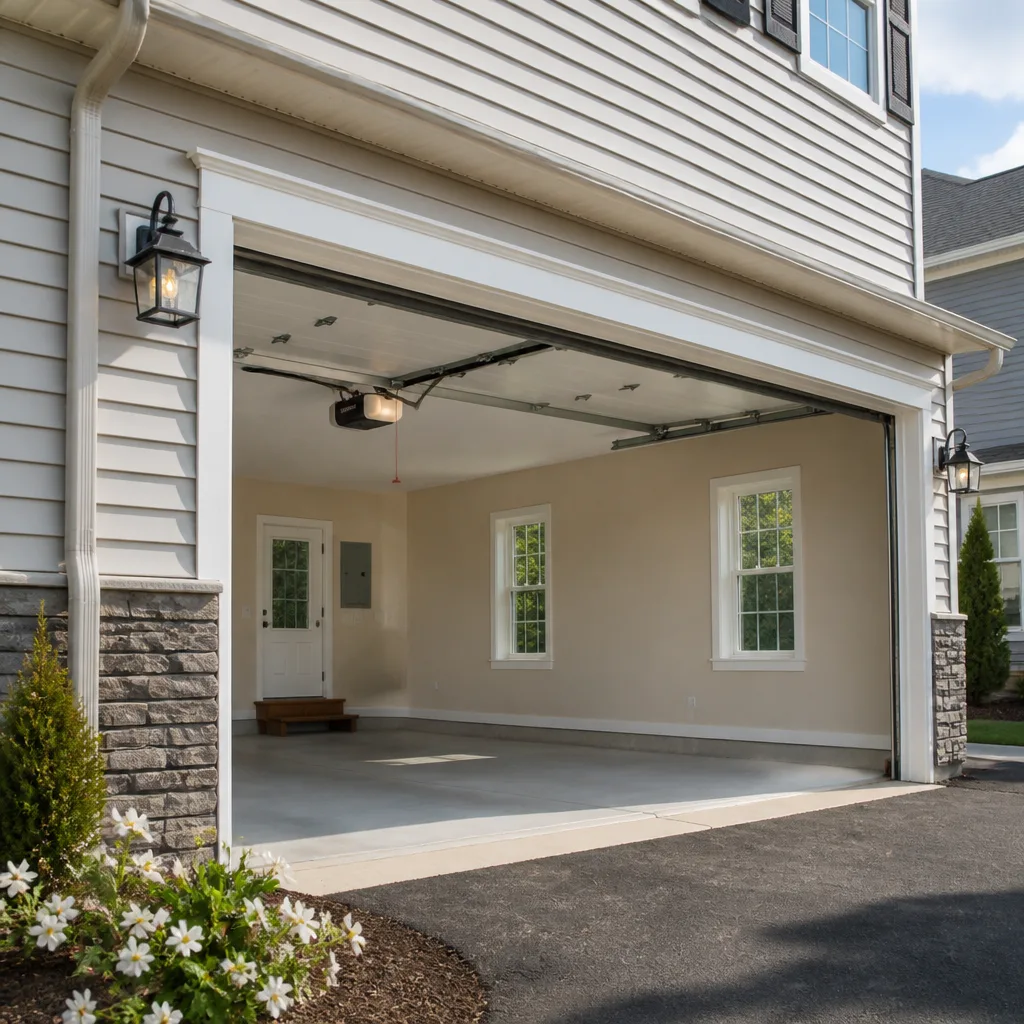 LiftMaster openers
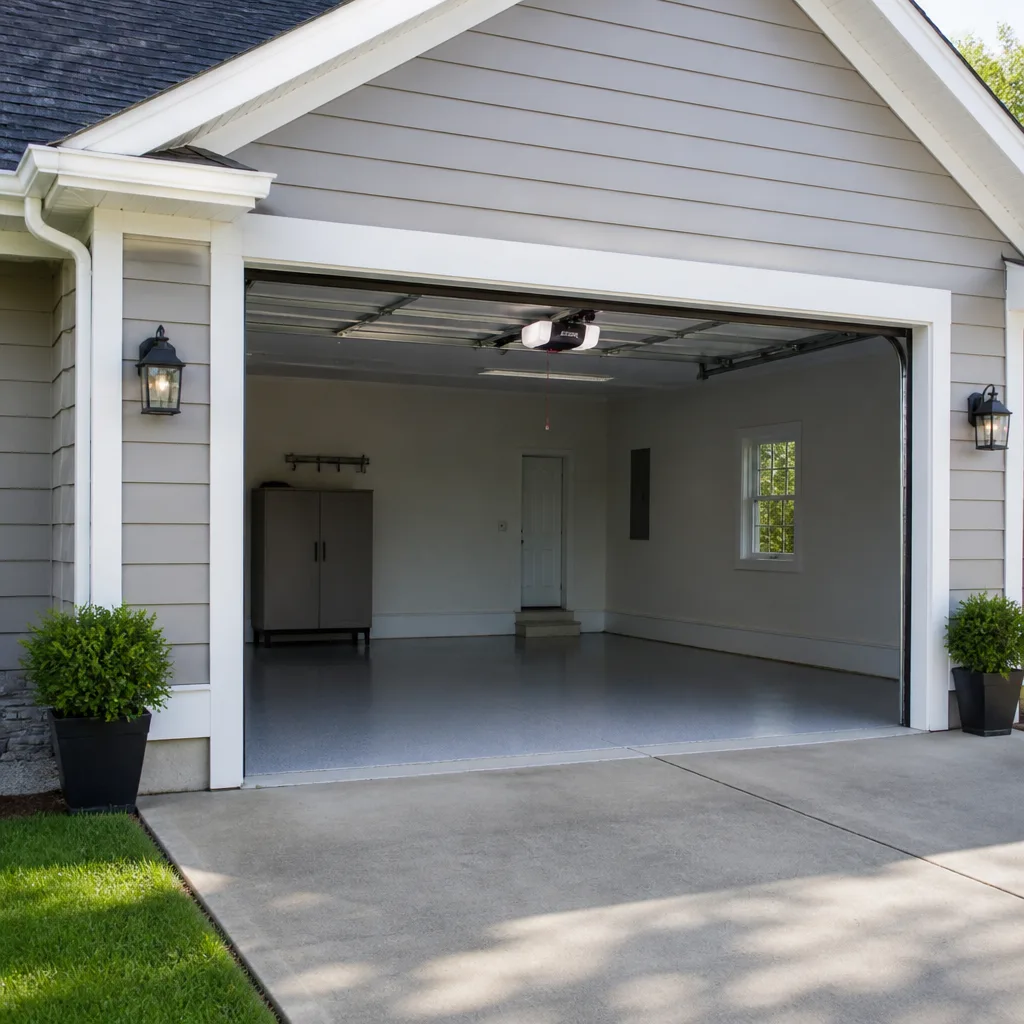 Chamberlain openers
Full 25-point door and opener safety check with every visit - springs, cables, rollers, tracks, and your LiftMaster or Chamberlain opener included
You get a price before we start. It does not change when the pro arrives.
Get your free estimateDIY vs Professional Garage Door: The Green Valley Ranch Homeowner’s Decision Guide
Most garage door advice online splits into two useless camps: “never touch it, call a pro” or “you can fix anything with a YouTube video and a socket set.” Both are wrong. The truth is that a garage door is a machine with two very different halves. One half is homeowner-friendly hardware you can service on a slow Sunday afternoon. The other half is a wound torsion spring holding enough stored force to break a wrist or take out an eye if it releases, and that’s physics, not a scare tactic. This guide draws the line task by task so you know exactly what’s safe in your Green Valley Ranch garage and what isn’t, and what each path really costs you.
Quick Answer
In Green Valley Ranch, most garage door maintenance is safe to do yourself, but spring, cable, and track work should go to a trained technician. Lubrication, weatherstripping, sensor alignment, and keypad programming are genuine DIY jobs; torsion springs, cables, panel replacement, and track realignment carry real injury risk and require specialized tools most homeowners don’t own. The smart approach is to know which category your repair falls into before you pick up a tool.
Styles & brands we work with
- Raised-panel steel
- Carriage house
- Modern flush
- Full-view glass
- LiftMaster openers
- Chamberlain openers
Table of Contents
- What’s Safe to DIY and What Genuinely Isn’t
- The Anatomy of Torsion Spring Risk
- DIY Opener Installation: Where You Save and Where You Lose
- Tools for Real DIY Jobs vs. Spring and Cable Work
- Is It a Simple Fix or a Symptom?
- The Real Cost Comparison in Green Valley Ranch
- Why Green Valley Ranch Conditions Affect the Math
- A Safety Note Before You Start
What’s Safe to DIY and What Genuinely Isn’t
The single biggest mistake homeowners make is lumping every garage door task into one category. A garage door is a system, and some parts of that system are designed for owner maintenance while others were never meant to be touched without training. Here’s the honest division.
Safe for homeowners
- Lubricating hinges, rollers, and tracks with a proper garage door lubricant (not WD-40) extends the life of moving parts and quiets a noisy door.
- Replacing bottom weatherstripping is a straightforward job that stops drafts, dust, and the small pests that find their way in from the open land around Green Valley Ranch.
- Aligning safety sensors after a bump or a shift is usually a matter of nudging the photo-eye back into line and checking that the indicator light is steady.
- Reprogramming a keypad or remote is a code-entry task in your opener’s manual and requires no tools at all.
- Cleaning and visually inspecting the door, hardware, and tracks catches small problems before they become expensive ones.
Not safe for homeowners
- Torsion springs. These store enormous energy and can release violently. This is the number one thing to never touch.
- Extension springs and cables. Cables are under constant high tension and can snap with lethal force if mishandled.
- Track realignment. A door that has jumped its track can fall, and forcing it back can bend the track or injure you.
- Panel and section replacement. Panels are heavy, awkward, and pinching hazards, and a misaligned panel can unbalance the whole door.
- Opener motor or logic board replacement. Beyond the electrical risk, brand-specific wiring differs across Clopay, Amarr, Wayne Dalton, and others.
If your repair lands in the second list, it belongs with a trained technician. For anything on that list, our Garage Door Repair Green Valley Ranch team can diagnose the system you actually have rather than guessing at a generic fix.
The Anatomy of Torsion Spring Risk
A torsion spring doesn’t just hold the weight of your door; it stores the energy needed to lift it, and that energy is released the moment the spring is under load and the winding bars slip. That’s the part YouTube confidence always underestimates. The spring is wound to a specific number of turns with tools called winding bars, and the tension in a wound spring on a standard residential door is measured in hundreds of pounds of force. When a spring breaks or a bar slips, that force releases instantly.
Here’s why that matters for a homeowner watching a video:
- The video can’t warn you what your specific spring is wound to. Every door is balanced differently, and the correct number of turns depends on door weight, height, and spring size.
- A wound spring has no safe “partial” state. Once you’re mid-job with bars in the spring, there’s no easy back-out if something feels wrong.
- The danger is invisible until it isn’t. A spring can look intact and still be at the end of its fatigue life. When it lets go, it does so without warning.
- The consequences are permanent. Hand and face injuries from spring releases are the most common serious garage door injury, and they happen to people who felt confident right up until the release.
Our technicians have up to 15 years of experience with this exact work, and the reason spring repair is a dedicated specialty for us is that this is the repair where training genuinely matters. If your door won’t lift, feels extremely heavy, or you heard a loud bang from the garage, stop and treat it as a spring problem rather than a puzzle to solve. Read more about how we handle this at garage door repair and leave the winding bars to people who use them every day.
DIY Opener Installation: Where You Save and Where You Lose
Opener replacement is the one major garage door job where the DIY question is genuinely close. A motivated homeowner with basic tools can install a new opener, and the savings can be real. But the math only works if you account for what a bad install costs you later.
Where homeowners actually save
- Labor. Installing an opener yourself avoids the labor portion of a pro install.
- Understanding your own system. Doing the work once teaches you how the door, springs, and opener interact, which helps with future troubleshooting.
- Timing. You can install when it fits your schedule instead of booking around a service window.
Where the savings disappear
- Warranty voidance. Improper installation, especially wrong spring tension or an opener sized wrong for the door, can void the opener warranty. That wipes out the savings if the unit fails early.
- Force and travel calibration. Openers must be calibrated to the door’s actual travel and force limits. A miscalibrated opener strains the motor, the springs, and the door itself.
- Safety sensor compliance. Sensors must be mounted at the correct height and aimed so the door reverses on contact. Getting this wrong is a genuine injury risk, especially with kids and pets.
- Brand-specific wiring. Whether it’s a Craftsman or a LiftMaster system, the wiring and programming differ. A wrong connection can damage the logic board.
The upshot: DIY opener installation is reasonable if you’re mechanically comfortable and follow the manual carefully. If you’re replacing the opener as part of a bigger repair, or you’re not sure the door is balanced, bring in a pro. Our garage door opener repair service handles diagnostics, calibration, and replacement so the unit matches your door.
Tools for Real DIY Jobs vs. Spring and Cable Work
One honest way to know whether a task is a homeowner job or a technician job is to look at the tool list. If the tools fit in a standard toolbox, it’s likely yours to handle. If the list includes equipment you’d never buy for a single repair, that’s a signal.
Tools for legitimate DIY tasks
- A socket set and screwdrivers for hinge and roller work
- A putty knife or scraper for removing old weatherstripping
- Replacement weatherstripping and a utility knife
- Garage door lubricant (silicone or lithium-based)
- A level for checking sensor alignment
- A stepladder and safety glasses
Tools required for spring and cable work
- Winding bars sized to your specific spring, which most homeowners will never own
- Cable pullers and locking pliers for controlled cable replacement
- Spring winding charts and door-weight references to set the correct tension
- A proper clamp system to hold the door safely while the spring is off
- Personal protective equipment matched to the actual injury risk of the job
This isn’t about gatekeeping. It’s about the fact that springs and cables are the two parts of a garage door designed to be serviced with tools and knowledge most people don’t have. For everything else, our garage door parts page is the place to start if you’re sourcing replacement hardware for your Clopay or Wayne Dalton door.
Is It a Simple Fix or a Symptom?
The diagnostic step most homeowners skip is asking whether the obvious repair is actually the problem or just the symptom. This matters because DIY fixes aimed at symptoms can mask a larger issue until it becomes expensive or dangerous.
Work through these questions before you decide to DIY:
- Is the problem intermittent or constant? A door that reverses sometimes points to sensor misalignment or a loose connection. A door that always reverses at the same spot points to a mechanical issue.
- Did the problem start suddenly or build slowly? Sudden usually means a part broke. Gradual usually means wear or misalignment.
- Is the door balanced? Disconnect the opener and lift the door halfway by hand. If it won’t stay put, the springs or cables are the real issue and the opener is just compensating.
- Are there related noises or vibrations? Grinding, scraping, or popping sounds often mean worn rollers or a twisted track, not the opener.
- Has the door been hit or bumped? Physical damage often misaligns the track and sensors at the same time.
If you answer “yes” to an unbalanced door or sudden mechanical failure, stop. That’s a technician call, not a weekend project. Our technicians have worked on Green Valley Ranch homes long enough to know that a door that won’t close right after a windstorm is usually a track or spring issue, not a sensor issue, and the fix is different from what the symptom suggests.
The Real Cost Comparison in Green Valley Ranch
The DIY vs professional decision is partly a money question, and the honest way to compare is to price the whole job, not just the parts. Below are typical estimated ranges for this market. The written estimate sets the final price once the job is assessed in person.
- DIY lubrication and weatherstripping: Parts only, typically under $50.
- Professional service call with lubrication and adjustment: A typical estimated range of $75 to $150.
- DIY sensor alignment or keypad programming: Free if no parts are needed.
- DIY opener replacement (unit only): Parts cost varies widely by brand and feature set.
- Professional opener replacement (installed): A typical estimated range of $300 to $650 depending on the system.
- Torsion spring repair (one spring), professional: A typical estimated range of $180 to $340. A matched pair is usually replaced together, so a pair runs about twice that.
The quick rule: for a $75 adjustment or a $50 weatherstrip job, DIY saves real money. For spring or cable work, the downside of a DIY injury or a bad repair costs more than the professional range every time. Call (855) 337-1312 for an exact quote. Estimates are free.
Why Green Valley Ranch Conditions Affect the Math
Green Valley Ranch sits on the high plains east of Denver, and the climate here does real work on garage door hardware. The temperature swings between a cold winter and a hot, dry summer, and that cycle is hard on springs. Metal expands and contracts with temperature changes, and springs that cycle through freeze-and-thaw conditions fatigue faster than springs in a mild climate.
What that means for the DIY decision:
- Springs wear out faster here. A torsion spring in Green Valley Ranch may reach the end of its service life sooner than the national average because of the temperature cycling. That makes the spring work a more frequent decision point.
- Weatherstripping matters more. The wind and dust of the plains find every gap. Good bottom weatherstripping is one of the highest-value DIY jobs in this climate.
- Seasonal lubrication pays off. A spring lubrication schedule helps both springs and hinges last longer through dry winters and hot summers.
- Warping and panel stress. The dry climate can stress wood-composite and steel doors, which is worth knowing if you’re considering panel replacement. Amarr and Clopay are two of the brands we work on most in this area.
If you’re not sure how old your springs are or whether the climate has already taken a toll, a professional inspection is the fastest way to know.
A Safety Note Before You Start
Before you take on any garage door task in Green Valley Ranch, do a two-minute safety check. Make sure the door is fully closed or fully open before you touch it, and never work under a door that’s held open by an opener alone. Disconnect the opener if you’re working near the door. Wear safety glasses for anything involving springs, cables, or the moving header area, and never assume a spring is fine just because it looks intact. When in doubt about a spring, a cable, or a track that’s come loose, stop and call a technician. The few hundred dollars you save is not worth a hand or a head injury.
Common Mistakes to Avoid
- Treating every repair as a DIY opportunity. A homeowner will confidently align a sensor and then attempt a cable replacement with no real experience. The second decision can end badly.
- Ignoring an unbalanced door. If the door won’t stay halfway up when disconnected, the springs are failing. Running the opener on a failing spring strains the motor and the whole system.
- Using the wrong lubricant. White lithium and silicone are fine; motor oil and WD-40 attract dust and gum up the rollers, which is worse in Green Valley Ranch’s dusty climate.
- Disconnecting a sensor to “fix” a reversing door. That disables the safety system that protects kids and pets. Sensors exist for a reason.
- Skipping the warranty check. Improper DIY installs void warranties on openers and doors, and the savings vanish if the unit fails early.
- Forcing a door back onto a bent track. This bends the track further and can drop the door. Track realignment is a technician job.
- Assuming a new opener fixes a door problem. If the door is unbalanced, a new opener will fail too. Diagnose first, replace second.
See the difference
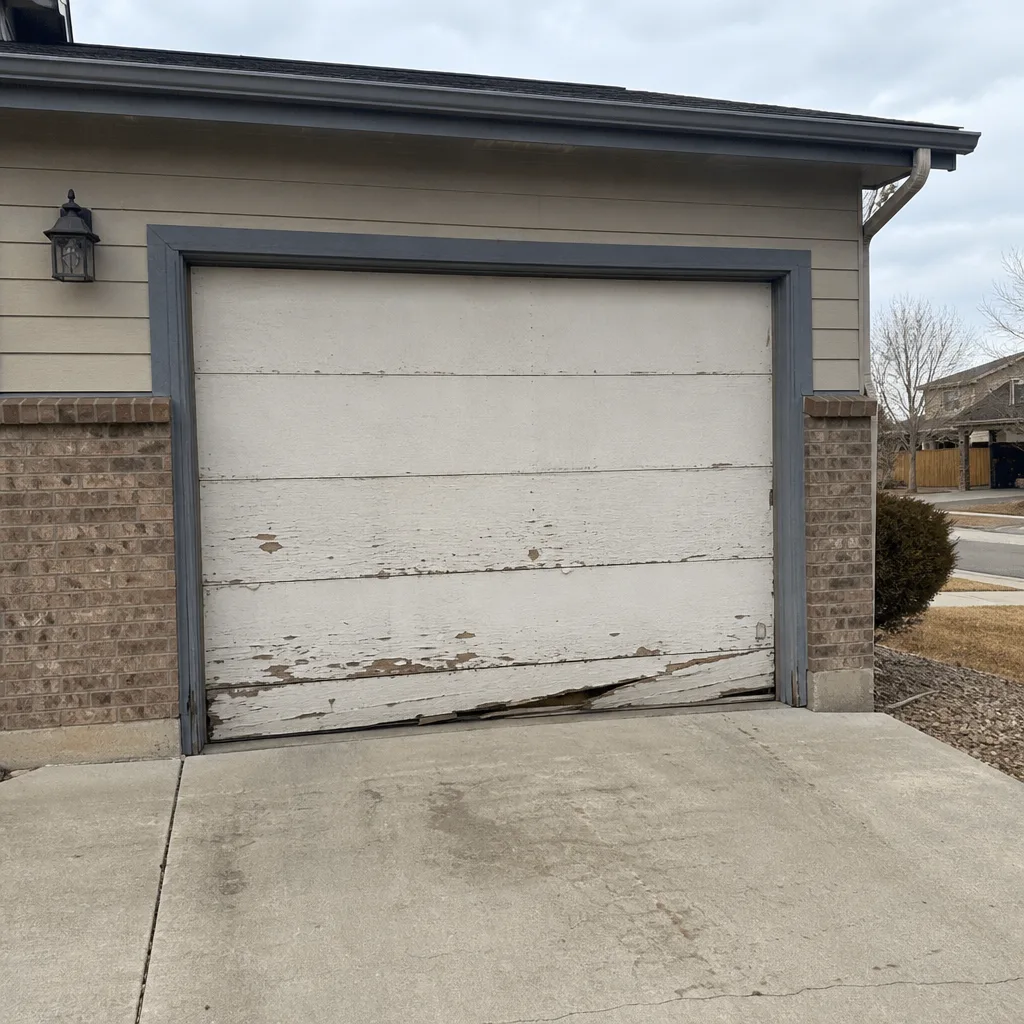 Before
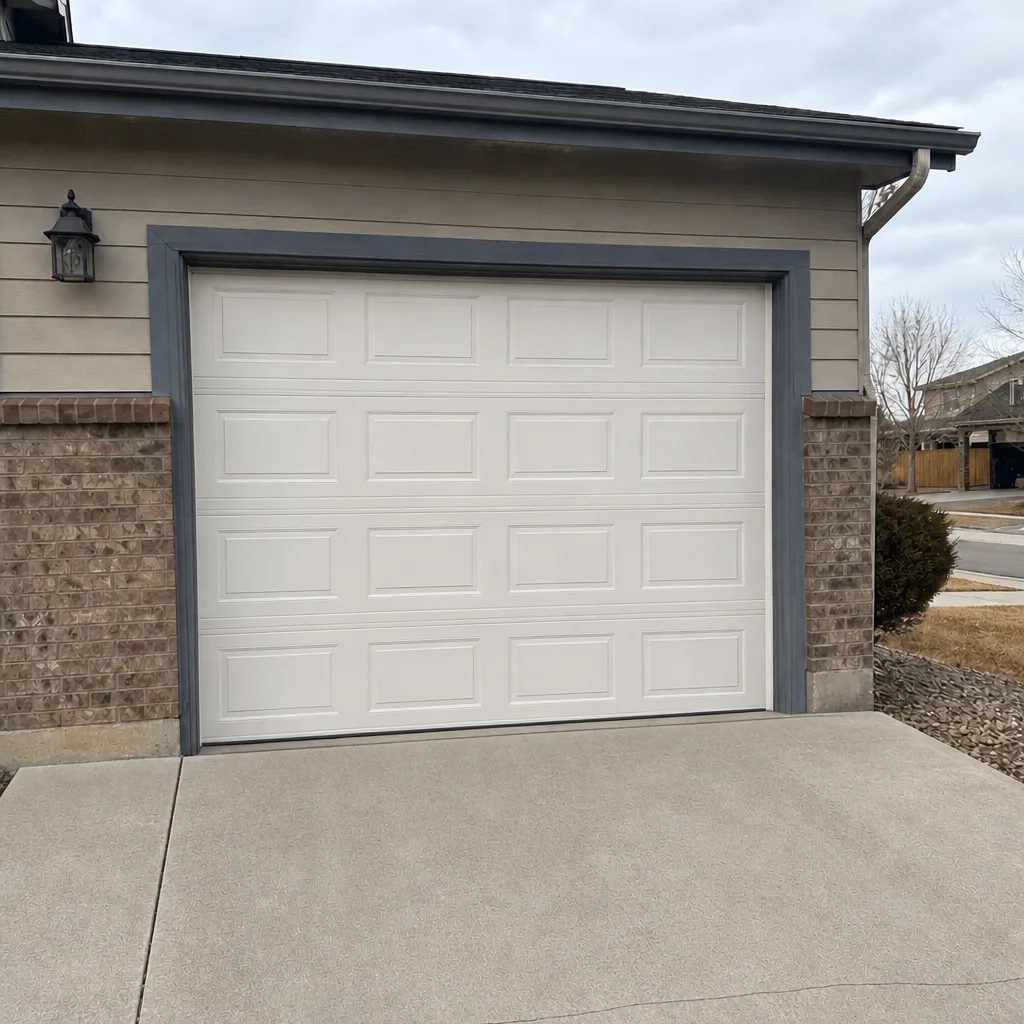 After
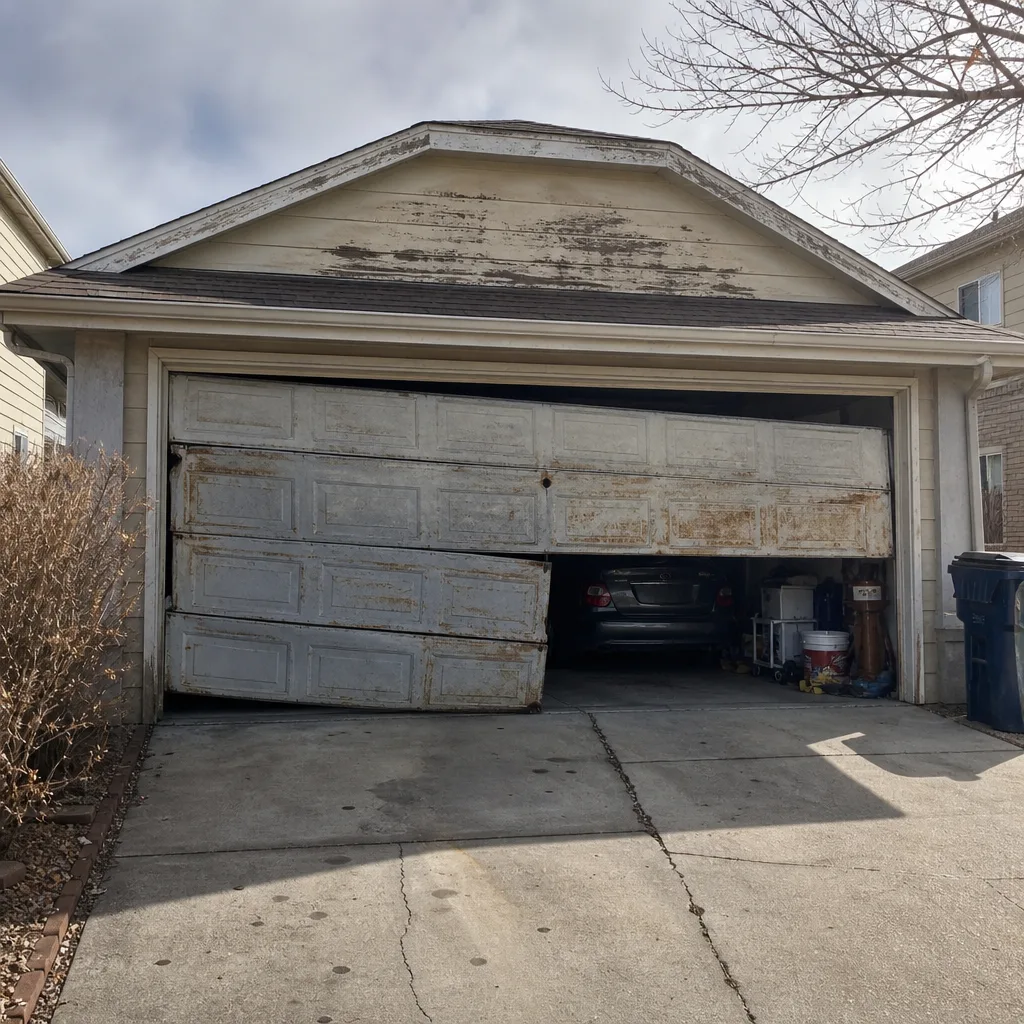 Before
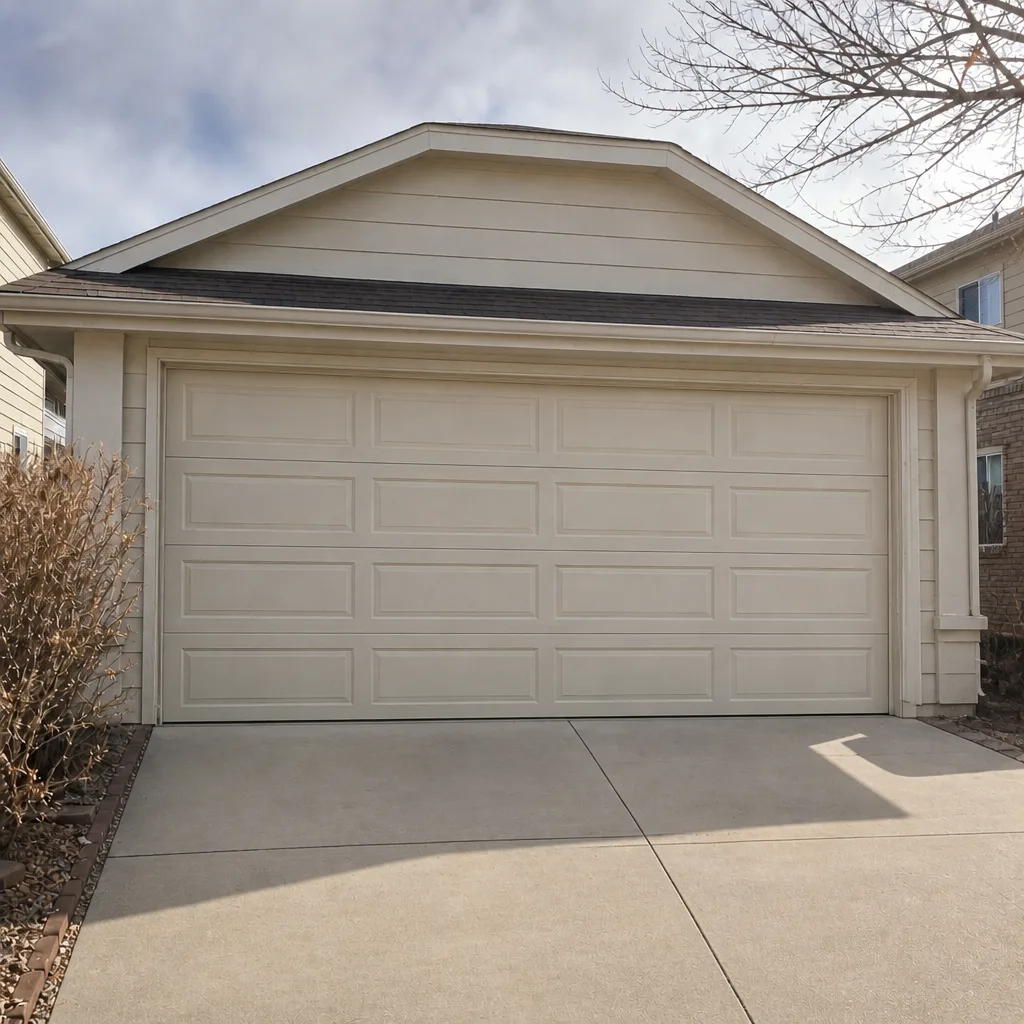 After
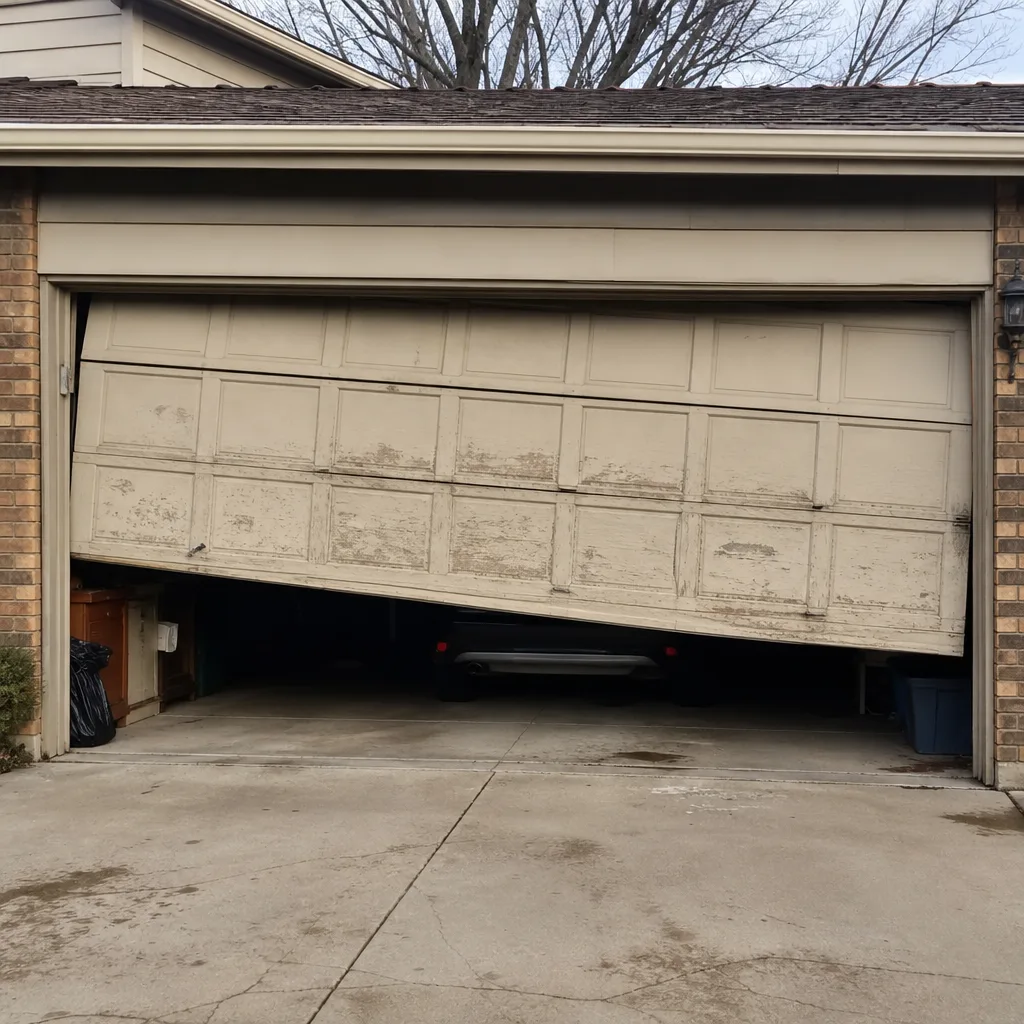 Before
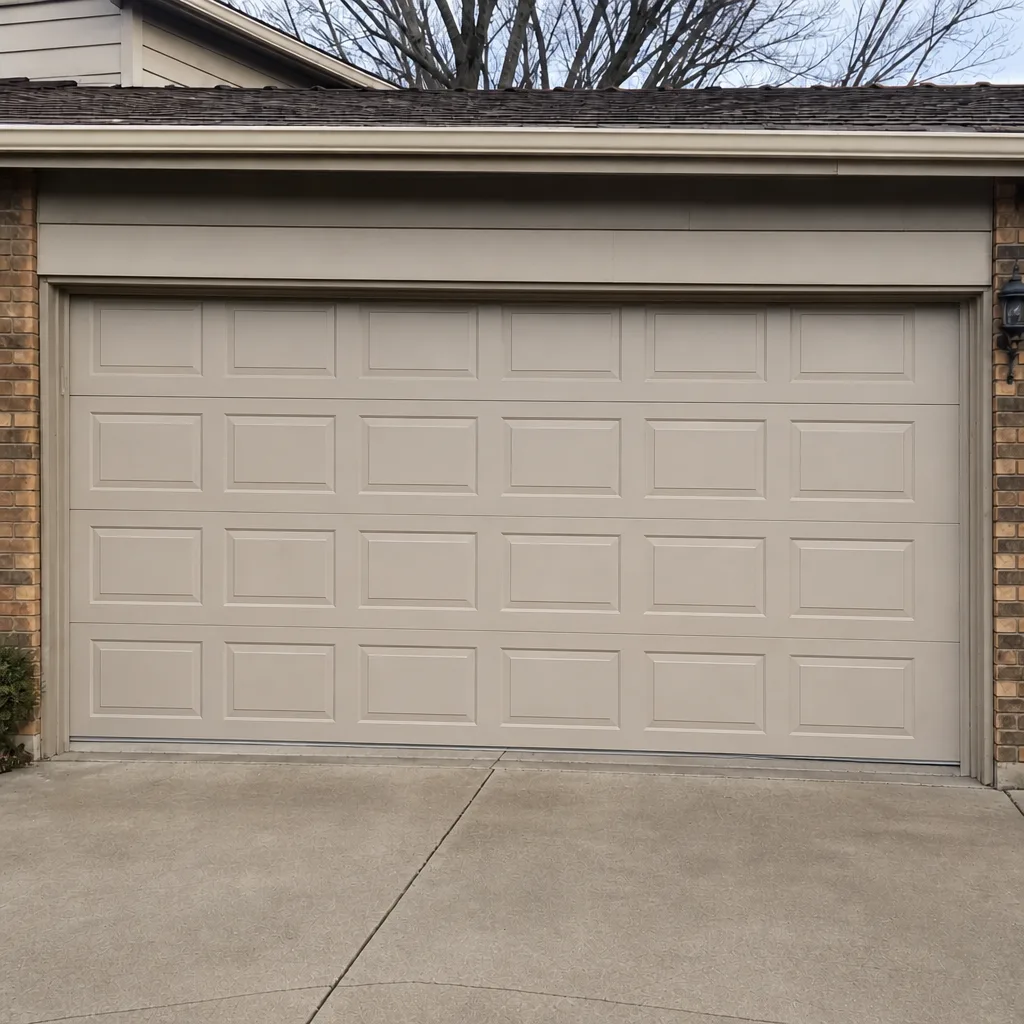 After
When to Call a Professional
Call a professional when the job involves springs, cables, track realignment, panel replacement, or an opener that needs electrical or logic-board work. Call us if you’ve heard a loud bang from the garage, if the door feels extremely heavy, if the door won’t stay closed, or if you’re not sure whether the repair is safe to handle. If your DIY fix didn’t solve the problem the first time, that’s a sign to stop and let a trained technician diagnose the door as a whole rather than guessing at another part. Garage Door Repair Green Valley Ranch offers free estimates in Green Valley Ranch, and we work on the brand you already have, whether that’s a LiftMaster opener, a Clopay door, or something from a previous owner. Call (855) 337-1312 with any questions, and we’ll tell you whether the job is really yours to handle.
Frequently Asked Questions
No. Torsion springs hold stored energy measured in hundreds of pounds of force and require specialized winding bars and a proper understanding of door weight and tension. A spring release can cause serious injury to your hands, face, or head. Spring repair is the one garage door job we strongly recommend leaving to a trained technician.
Disconnect the opener and lift the door halfway by hand. A balanced door stays where you leave it. If it drops or rises on its own, the springs or cables aren’t carrying the door’s weight and the system needs professional attention.
Lubricating hinges, rollers, and tracks, replacing bottom weatherstripping, aligning safety sensors, and reprogramming a keypad or remote are all genuinely safe DIY tasks. These are the jobs that are designed for owner maintenance and don’t carry the injury risk of spring or cable work.
Sometimes. DIY opener installation saves on labor, but a miscalibrated opener can void the warranty and strain the motor, the springs, and the door. If you’re confident and follow the manual, DIY is reasonable. If the door is unbalanced or the wiring is unclear, professional installation is safer and often cheaper in the long run.
Often not. Improper installation or repair can void warranties on both openers and doors. Before you start a DIY job on a newer Clopay, Amarr, or Wayne Dalton door, check the warranty terms so you know what’s at risk.
Typical estimated ranges run from $75 to $150 for a service visit with lubrication and adjustment, and $180 to $340 for a single torsion spring repair. A matched pair of springs runs about twice the single-spring range. The written estimate sets the final price. Call (855) 337-1312 for an exact quote. Estimates are free.
Yes. We work on repair, opener repair, spring repair, parts, and full garage door installation. Whether you need a part replaced or a whole new door, we handle the full arc in one place.
We’re closed Saturday. We answer 24/7 on the phone line, and we’re open Sunday through Friday, 7am to 7pm for dispatch.
The Bottom Line
The DIY vs professional decision on a garage door isn’t about how handy you are. It’s about which specific tasks carry genuine injury risk and which are safe homeowner jobs, and conflating the two is where people get hurt or waste money. Lubrication, weatherstripping, sensor alignment, and keypad work are yours to handle. Springs, cables, track realignment, panel replacement, and electrical opener work belong with a trained technician. In Green Valley Ranch’s climate, springs and weatherstripping both deserve attention, and the smart homeowner knows which one to take on and which one to call in. When in doubt, a free estimate costs nothing and tells you exactly where the line is for your door. Call (855) 337-1312. We answer 24/7, with fast dispatch from 7am to 7pm, Sunday through Friday.
Written by the team at Garage Door Repair Green Valley Ranch.